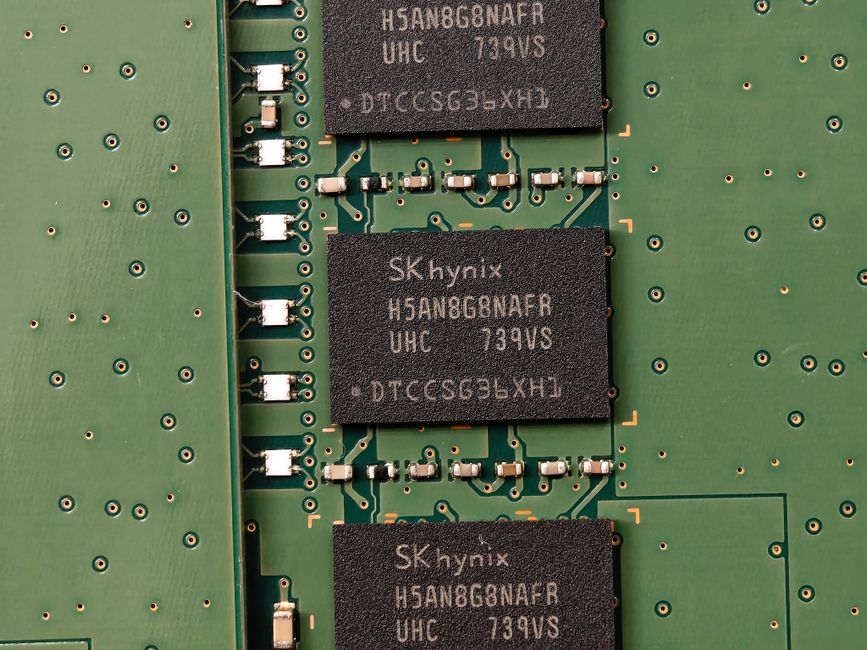
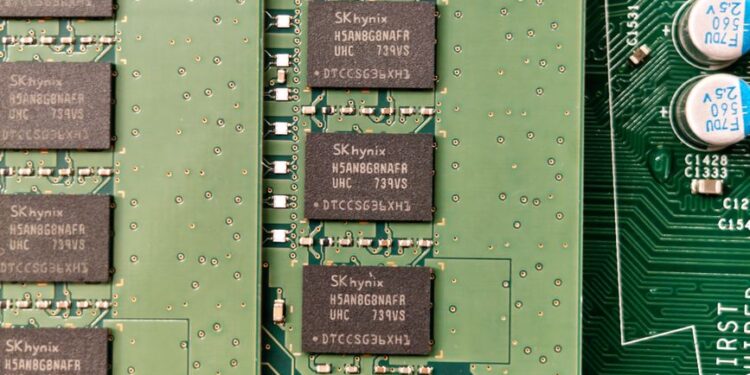
SK Hynix's $28.61 billion share buyback reflects its confidence in the booming AI memory market and aims to enhance shareholder value amid market volatility.
SK Hynix, a leading South Korean semiconductor manufacturer, has announced a substantial share buyback program valued at $28.61 billion. This initiative, set to take place from August 20 to November 19, 2026, is designed to bolster investor confidence in the face of fluctuating stock prices and increasing demand for AI memory chips.
The buyback plan involves the purchase and cancellation of approximately 24 million shares, signaling SK Hynix’s commitment to returning value to its shareholders. This decision comes after the company faced significant challenges earlier this year, including a notable decline in share prices due to broader market volatility and shifts in demand within the semiconductor sector.
Capitalizing on the AI Boom
The timing of SK Hynix’s buyback is particularly strategic, coinciding with a surge in demand for AI-related memory products. The company has reported robust growth in its production of high-bandwidth memory (HBM) chips, which are crucial for AI applications utilized by major tech firms such as Nvidia. According to a report from Reuters, the ongoing AI boom has generated unprecedented demand for advanced memory solutions, positioning SK Hynix favorably in a rapidly evolving market.
Analysts from Career Ahead suggest that this buyback reflects SK Hynix’s strong belief in the sustained growth of the AI sector. By allocating over 50% of its free cash flow from 2025 to 2027 for shareholder returns, the company demonstrates confidence in its future profitability. This strategic move is anticipated to stabilize stock prices and attract more investors, particularly in a market characterized by volatility due to changing technology spending.
As SK Hynix aims to enhance total shareholder returns through dividends and buybacks, it positions itself competitively against rivals like Samsung and Micron, both of which are also under pressure to improve shareholder value. The competitive landscape in the semiconductor industry is intensifying, with companies increasingly focusing on shareholder returns to maintain investor interest.
Analysts from Career Ahead suggest that this buyback reflects SK Hynix’s strong belief in the sustained growth of the AI sector.
For investors, understanding SK Hynix’s financial health is essential when evaluating the implications of the buyback. At the end of the second quarter, the company reported a net cash position of approximately 69 trillion won, providing a solid foundation for its ambitious buyback plan. This strong cash reserve enables SK Hynix to pursue aggressive growth strategies while rewarding shareholders.
Recent trends indicate that the semiconductor industry is undergoing a transformation driven by advancements in AI technology. The demand for memory chips, particularly those utilized in AI systems, is expected to rise as tech companies expand their AI capabilities. This presents a unique opportunity for SK Hynix to capitalize on the growing market. Industry analysts project that the semiconductor market will experience a compound annual growth rate of over 10% in the coming years, primarily fueled by AI and machine learning applications.
While the buyback signals a positive outlook, investors should remain cautious of potential risks, including market volatility and the cyclical nature of the semiconductor industry. However, the current momentum in AI spending could mitigate some of these risks, making SK Hynix’s strategic decisions particularly relevant for long-term investors. The company’s proactive approach to managing its capital structure and enhancing shareholder value will be crucial as it navigates a complex market landscape.
Implications for the Semiconductor Market
The developments in the AI sector and their impact on memory chip demand are likely to shape investment strategies in the coming months. Companies that can anticipate and respond to these trends will be better positioned to succeed amid competitive pressures in the semiconductor market. As SK Hynix continues to innovate and adapt to changing market dynamics, its ability to balance reinvestment in technology with shareholder returns will be key to its long-term success.
Career Ahead’s review of the semiconductor market suggests that the next few years will be critical for companies facing both challenges and opportunities stemming from AI advancements. As demand for AI technologies grows, firms that effectively balance reinvestment in innovation with shareholder returns are likely to lead the market.
China's reinstatement of fuel export curbs is set to tighten global energy markets, impacting diesel supply chains and raising prices worldwide. The regulatory changes present…
As SK Hynix continues to innovate and adapt to changing market dynamics, its ability to balance reinvestment in technology with shareholder returns will be key to its long-term success.
In summary, SK Hynix’s $28.61 billion share buyback is not merely a financial maneuver; it represents a strategic affirmation of the company’s confidence in the future of AI memory demand and its commitment to enhancing shareholder value. As the semiconductor industry braces for continued growth driven by AI, investors and competitors alike will closely monitor SK Hynix’s actions, setting the stage for a transformative period in the tech landscape.
Frequently Asked Questions
What does SK Hynix’s share buyback mean for investors?
SK Hynix’s share buyback reflects confidence in the company’s future growth amid strong AI memory demand. It indicates a commitment to returning value to shareholders, which could stabilize stock prices.
How do share buybacks affect semiconductor stock valuations?
Share buybacks can enhance stock valuations by reducing the number of shares available, thereby increasing earnings per share. For semiconductor companies like SK Hynix, this can attract more investors and boost market confidence.
What should investors consider when evaluating SK Hynix’s financial strategies?
Investors should assess the company’s cash reserves, growth potential in the AI sector, and prevailing market trends. Understanding how SK Hynix balances shareholder returns with reinvestment in innovation will be crucial for evaluating its long-term viability.



Industry & Global Trends
Industry & Global Trends