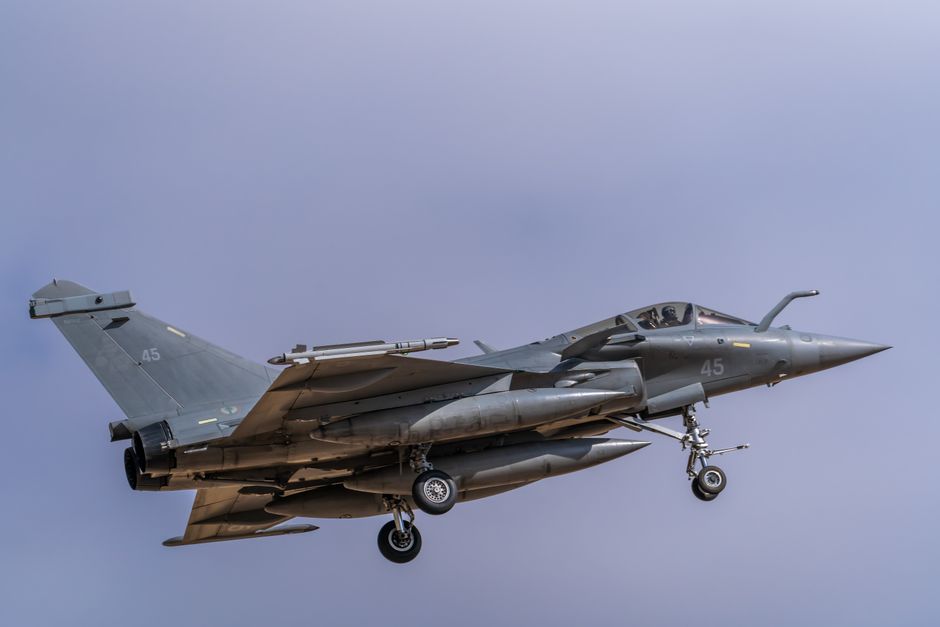
India is on the verge of finalizing a significant multi-role fighter aircraft (MRFA) deal, as indicated by Air Chief Marshal A.P. Singh on October 3, 2026. This deal, which includes the procurement of 114 Rafale fighter jets, is part of India’s largest-ever defense acquisition effort. The Indian government aims to enhance the combat capabilities of the Indian Air Force (IAF) amid rising geopolitical tensions.
This MRFA deal matters now more than ever, given the increasing demand for advanced military aircraft to bolster national security. The IAF has emphasized the need for 36 to 40 new aircraft annually over the coming years, highlighting an urgent requirement for modern air power.
Boosting Opportunities for Defense Contractors
The MRFA deal is poised to create a substantial influx of contracts for defense contractors in India. As the government moves forward with this procurement, it is expected that local firms will be invited to participate in various aspects of the project, from manufacturing to maintenance. Career Ahead’s analysis identifies that the deal could lead to a 20% increase in defense contracts awarded to Indian companies over the next five years.
Furthermore, the emphasis on self-reliance in defense manufacturing aligns with the Indian government’s broader initiative to promote the “Make in India” campaign. This initiative encourages domestic production and aims to reduce reliance on foreign imports. Companies involved in defense contracting will likely see increased collaboration with international firms to fulfill the requirements of the MRFA deal.
In addition to manufacturing, contractors may also find opportunities in the service and maintenance sectors. With the introduction of advanced fighter jets like the Rafale, there will be a growing need for skilled personnel to handle maintenance and operational support. This aspect of the deal could lead to the creation of specialized roles within defense contracting firms.
The MRFA deal’s impact on defense contracts is not just limited to immediate procurement. It is expected to stimulate research and development (R&D) initiatives within the sector, as contractors seek to innovate and enhance their offerings. This focus on R&D can lead to new technologies and capabilities, further strengthening India’s defense posture.
The demand for skilled professionals in military aviation is projected to rise sharply in the coming years.
Overall, the MRFA deal signifies a turning point for defense contractors in India, paving the way for new projects and collaborations that could reshape the industry landscape.
Career Prospects for Aerospace Engineers
Aerospace engineers stand to benefit significantly from the MRFA deal as well. The demand for skilled professionals in military aviation is projected to rise sharply in the coming years. Career Ahead research finds that job openings for aerospace engineers specializing in military aircraft design and maintenance could increase by 30% as the IAF expands its fleet.
As the MRFA deal progresses, aerospace engineers will be needed not only for the design and development of new aircraft but also for the integration of advanced technologies such as artificial intelligence and avionics systems. The push for an AI-augmented force, as emphasized by the IAF Chief, will require engineers with expertise in these areas.
Moreover, collaboration with international defense firms will open doors for Indian aerospace engineers to gain exposure to global best practices and cutting-edge technologies. This exchange of knowledge and skills can enhance their capabilities and prepare them for more complex roles in the defense sector.
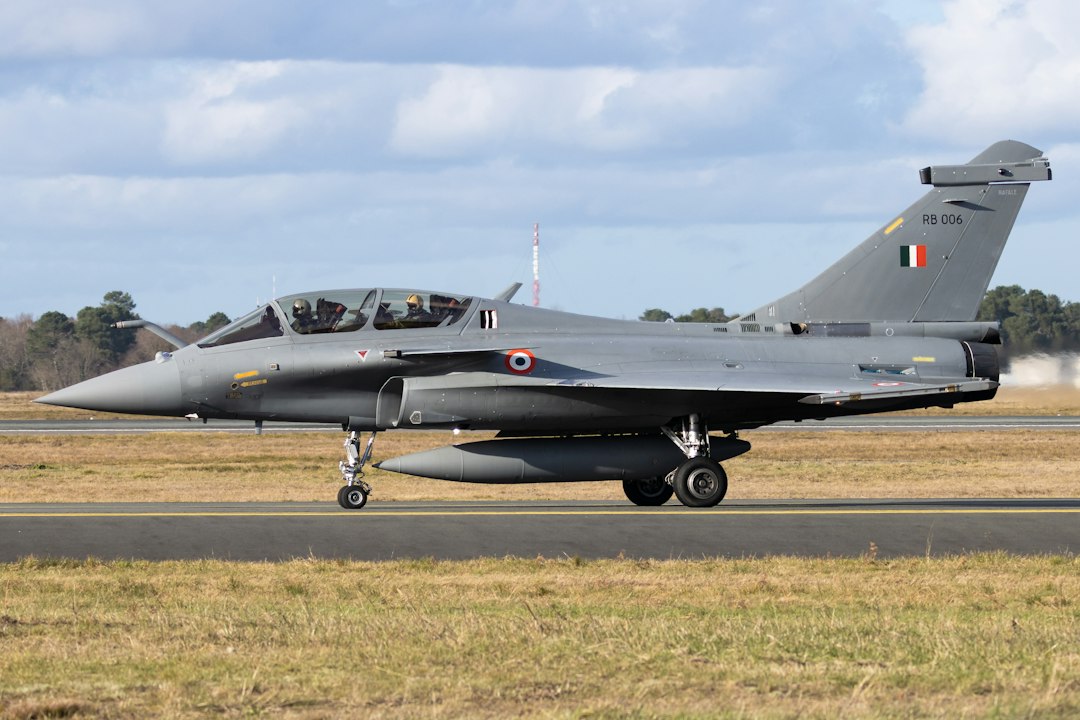
Educational institutions and training programs will need to adapt to this evolving landscape by offering specialized courses that align with the requirements of the defense industry. Engineers with a focus on systems integration, avionics, and AI applications will be particularly well-positioned to take advantage of the opportunities presented by the MRFA deal.
In summary, the MRFA deal is set to create a vibrant job market for aerospace engineers, making this an opportune time for new graduates and experienced professionals to enter the field.
The MRFA deal is a step toward achieving this goal, and its successful implementation will likely influence future defense procurement strategies.
Long-Term Implications for the Defense Sector
The implications of the MRFA deal extend beyond immediate job creation and procurement contracts. It represents a strategic shift in India’s defense policy, reinforcing the importance of indigenous capabilities and technological advancement. The government’s commitment to self-reliance in defense manufacturing is crucial for building a robust military infrastructure.
As India continues to navigate complex geopolitical challenges, the need for a modernized and capable air force becomes paramount. The MRFA deal is a step toward achieving this goal, and its successful implementation will likely influence future defense procurement strategies.
Moreover, the deal may encourage further investments in defense technology and innovation. As contractors and engineers collaborate on new projects, there is potential for breakthroughs that can enhance not only military capabilities but also civilian aerospace applications.

Looking ahead, the MRFA deal could serve as a model for future defense collaborations between India and other nations. The emphasis on joint ventures and technology transfer may attract more international partners, leading to a more interconnected global defense ecosystem.
As the MRFA deal unfolds, stakeholders in the defense sector will be closely watching its progress and the opportunities it creates. The successful execution of this deal could mark a new chapter in India’s defense narrative, one characterized by greater autonomy and innovation.
As the demand for skilled professionals in military aviation rises, engineers with specialized knowledge will be better positioned to take advantage of job openings.
Frequently Asked Questions
What new projects will the MRFA deal bring for defense contractors?
The MRFA deal is expected to generate numerous projects for defense contractors, including manufacturing, maintenance, and R&D initiatives. Career Ahead’s analysis suggests a potential 20% increase in defense contracts awarded to Indian firms over the next five years.
How can aerospace engineers prepare for upcoming opportunities in military aviation?
Aerospace engineers should focus on gaining expertise in advanced technologies such as AI and avionics systems. As the demand for skilled professionals in military aviation rises, engineers with specialized knowledge will be better positioned to take advantage of job openings.

What should defense contractors do to align with the MRFA deal developments?
Defense contractors should explore partnerships with international firms to enhance their capabilities and meet the requirements of the MRFA deal. Emphasizing R&D and innovation will also be crucial for staying competitive in the evolving defense landscape.
Sources: Theprint, Orissapost, Economictimes.
Written by Career Ahead AI. AI can make mistakes, so verify key facts. Report errors to support@careeraheadonline.com.