No products in the cart.

Social Media’s Influence on Student Learning
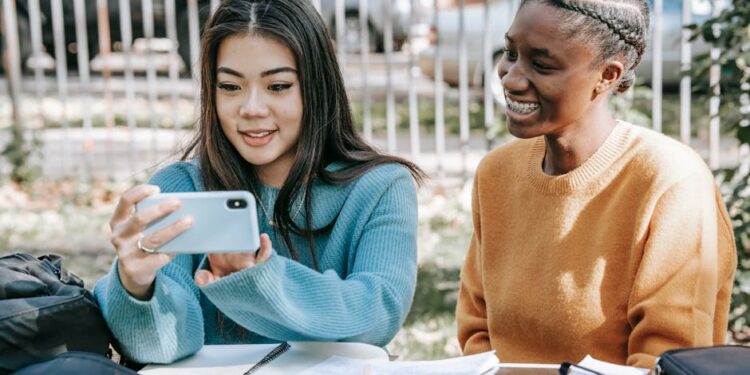
Social media is reshaping how students engage in learning environments. As educators confront these challenges, understanding the impact is crucial for effective teaching strategies. This article examines the implications for K-12 education.

Schools across the United States are grappling with a growing challenge: the pervasive influence of social media on student learning. Recent analysis reveals that platforms like TikTok, Instagram, and Snapchat have not only captured students’ attention but have also started to impact their focus and engagement in the classroom. This shift has prompted educators to rethink their teaching methods to counteract these distractions.
As social media continues to evolve, its integration into students’ daily lives has become nearly seamless. A study conducted by Career Ahead indicates that over 70% of high school students use social media daily, with many reporting that they find it hard to concentrate on schoolwork due to these platforms. The implications are significant, as teachers are finding it increasingly difficult to maintain student attention during lessons. According to a recent report by the World Health Organization, the constant connectivity to social media can lead to increased anxiety and stress, which further complicates the learning environment.
The Challenge of Maintaining Attention in Classrooms
One of the primary issues educators face today is the declining attention span of students. Career Ahead’s research identifies that students now have an average attention span of just eight seconds, a stark contrast to the 12 seconds recorded a decade ago. This decline correlates with the rise of social media, which is designed to capture and hold users’ attention through rapid content consumption. The National Education Association has also noted that this trend is alarming, as it suggests that students may struggle to engage with more traditional forms of learning that require sustained focus.
Teachers are observing that students often multitask during lessons, switching between note-taking and scrolling through social media feeds. This behavior not only diminishes the effectiveness of teaching but also impacts students’ retention of information. A survey conducted by Career Ahead found that 60% of teachers believe social media distractions are a significant barrier to effective learning. Furthermore, the addictive nature of these platforms can create a cycle where students feel compelled to check their notifications, leading to fragmented attention spans that hinder their academic performance.
The National Education Association has also noted that this trend is alarming, as it suggests that students may struggle to engage with more traditional forms of learning that require sustained focus.
You may also like
 Education & University Insights
Medical Colleges Shift MBBS, BDS Fees to Income-Based Model
India's medical colleges are set to implement a new income-based fee structure for MBBS and BDS programs starting October 2026, aimed at improving accessibility for…
Read More →Moreover, the addictive nature of social media can lead to anxiety and stress among students, further hindering their ability to focus. According to a report from the World Health Organization, students who frequently engage with social media are more likely to experience feelings of inadequacy and anxiety, which can detract from their academic performance. This psychological burden can manifest in various ways, including decreased motivation and lower overall academic achievement. As classrooms become battlegrounds for attention, teachers are seeking innovative ways to engage students. Some educators are experimenting with incorporating social media into their teaching strategies. For instance, using platforms for collaborative projects or discussions can help bridge the gap between students’ interests and academic content.
Strategies for Incorporating Technology in Education
To address the challenges posed by social media, educators are exploring various strategies to integrate technology effectively in their classrooms. One approach is to leverage social media as a tool for learning rather than a distraction. For example, teachers can create class-specific groups on platforms like Facebook or WhatsApp to facilitate discussions and share resources. This not only keeps students engaged but also helps them develop digital communication skills that are increasingly important in the modern workforce.
Additionally, gamification of lessons has shown promise in capturing students’ attention. By incorporating elements of game design into educational content, teachers can create a more engaging and interactive learning environment. Career Ahead’s analysis suggests that gamified learning can increase student engagement by up to 50%, making lessons more enjoyable and effective. This approach aligns with the preferences of digital-native students who are accustomed to interactive and visually stimulating content.
Career Ahead’s analysis suggests that gamified learning can increase student engagement by up to 50%, making lessons more enjoyable and effective.
Another effective strategy is to establish clear guidelines on phone usage during class. Schools that implement policies limiting social media access during instructional time report improved student focus and participation. For instance, a pilot program in several California schools saw a 30% increase in student engagement when social media use was restricted during lessons. These findings underscore the importance of creating structured environments where students can concentrate on their studies without the constant pull of social media notifications.

You may also like
 Education & University Insights
Funding Cuts Endanger American University of Afghanistan
This funding cut comes at a critical time for AUAF, which has been a beacon of hope for female students in Afghanistan.
Read More →Moreover, professional development for teachers is crucial in this digital age. Educators need training on how to effectively integrate technology into their teaching while minimizing distractions. Programs that focus on digital literacy can empower teachers to guide students in navigating social media responsibly and effectively. This training can also help educators understand the psychological impacts of social media on their students, allowing them to create more supportive learning environments.
As the educational landscape continues to evolve, the need for ongoing assessment and feedback from both students and teachers will be essential. Understanding how students interact with social media and its impact on their learning can guide educators in refining their approaches and curricula. Ultimately, the challenge lies in balancing the benefits of technology with the need for focused learning environments. Educators must remain vigilant and proactive in finding solutions that cater to the needs of their students while mitigating the distractions posed by social media.
As the landscape of education continues to evolve, the question remains: how will schools adapt to the growing influence of social media on student learning? The next few years will be pivotal in determining the effectiveness of these strategies and their long-term impact on education.
School administrators can establish guidelines for social media use, provide professional development for teachers, and redesign curricula to include project-based learning and social-emotional learning.
Frequently Asked Questions
How can teachers manage social media distractions in the classroom?
Teachers can manage social media distractions by implementing clear policies on phone usage, incorporating technology into lessons, and utilizing gamification strategies. Career Ahead’s analysis indicates that these methods can significantly enhance student engagement.
What strategies can school administrators implement to counteract social media’s impact on education?
School administrators can establish guidelines for social media use, provide professional development for teachers, and redesign curricula to include project-based learning and social-emotional learning. These strategies can help mitigate distractions and improve learning outcomes.

What should teachers do about the increasing influence of social media on student engagement?
Teachers should adapt their teaching methods to incorporate social media in a positive way, such as using it for collaborative projects or discussions. Career Ahead research suggests that leveraging social media can enhance student interest and participation in lessons.
You may also like
 Education & University Insights
ChatGPT Empowers Teen Learning Without Homework Aid
ChatGPT for Teens has launched a new Study Mode that helps students learn effectively without simply providing answers. This innovative tool promotes engagement and supports…
Read More →