


SoftBank’s New Venture: Roze AI
SoftBank is making headlines with its plan to launch a new robotics company named Roze AI, aimed at transforming the construction of data centers in the United States. The company plans to utilize autonomous robots to enhance efficiency in building these critical infrastructures. Reports indicate that SoftBank is preparing for a potential IPO, targeting a staggering valuation of $100 billion by the end of 2026.
The decision to create Roze AI comes at a time when the demand for data centers is skyrocketing. As more companies shift to cloud-based solutions, the need for efficient data storage and processing facilities grows. By employing robotics, SoftBank aims to streamline construction processes, significantly reducing costs and time. This initiative aligns with the broader trend in the tech industry, where automation is increasingly viewed as a key driver of growth and efficiency.
However, the ambitious valuation and timeline for the IPO have raised eyebrows within the company. Some insiders have expressed skepticism about whether Roze AI can meet its lofty goals. Despite these concerns, the push for automation in industrial sectors is undeniable, and SoftBank’s entry into this space could mark a significant shift.
Competitive Landscape in Robotics
The robotics market is becoming increasingly competitive, with various players vying for dominance. Companies like Amazon are also investing heavily in automation technologies. For instance, Amazon’s Project Prometheus aims to modernize industrial firms using AI. As these giants race to automate, SoftBank’s Roze AI could either carve out a niche or struggle to keep pace.
According to reports from CNBC, the robotics sector is expected to grow significantly in the coming years, driven by the increasing adoption of AI and machine learning technologies across various industries. Roze AI’s focus on data centers positions it well within this expanding market, potentially attracting significant investment and interest.
Moreover, the construction industry itself is undergoing a transformation. As labor shortages and rising costs challenge traditional methods, automation offers a viable solution. By leveraging robotics, SoftBank could enhance efficiency and address some of the pressing issues facing the construction sector today.
A successful launch could signal a new era for SoftBank, which has faced scrutiny over its previous investments.
Financial Outlook and Investor Reactions
 Industry & Global Trends
Agarwal Says India Can Attract Data Centre Investment
Agarwal cites data-centre construction costs around half the US and Europe level, renewable energy, a 1.5 billion population and coastline.
Read More →The prospect of a $100 billion IPO has caught the attention of investors and analysts alike. A successful launch could signal a new era for SoftBank, which has faced scrutiny over its previous investments. The firm’s ability to execute this plan will be closely monitored, as it could impact investor confidence in the tech sector.
According to Startup Wired, SoftBank’s previous ventures, such as its investment in the failed Zume pizza delivery startup, have raised concerns about its judgment. However, the potential for high returns in the robotics and automation space could outweigh these risks. Investors are increasingly looking for opportunities in sectors poised for growth, and Roze AI fits that bill.
Furthermore, the financial landscape for tech companies is evolving. With fluctuating interest rates and changing economic conditions, the success of Roze AI’s IPO will depend on market sentiment at the time of launch. If the market is favorable, SoftBank could secure substantial backing; if not, it may face challenges.
Technological Advancements in Automation
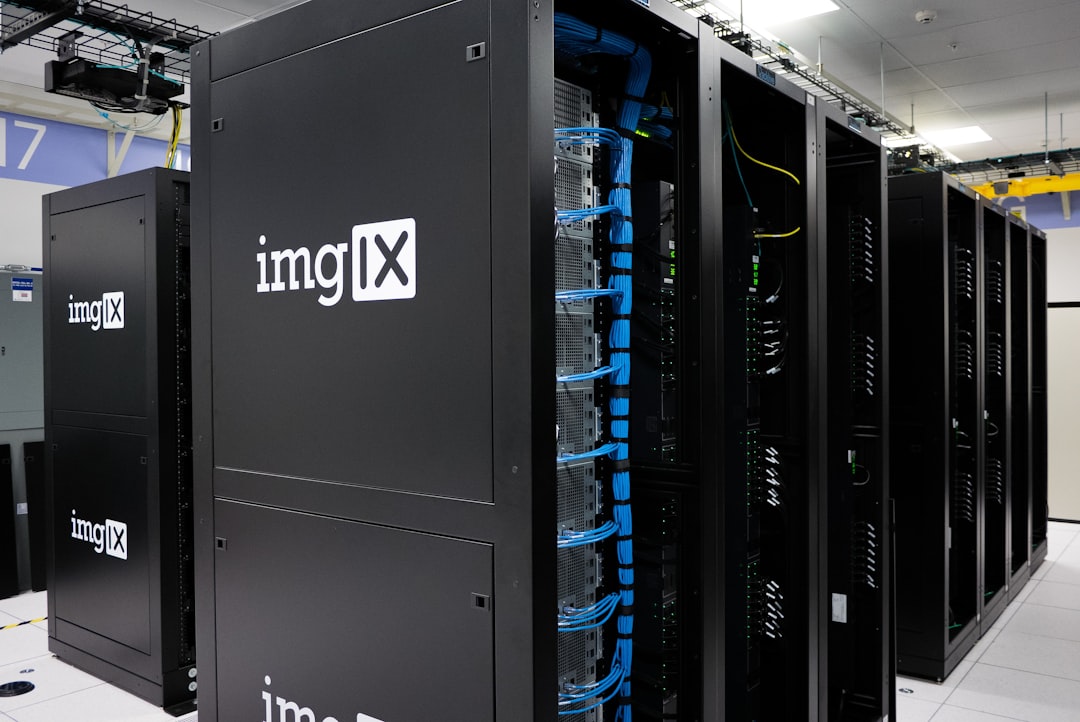
At the heart of Roze AI’s mission is the integration of advanced robotics and AI technologies. These innovations are set to redefine how data centers are constructed and operated. By utilizing autonomous robots, SoftBank aims to reduce human error and increase precision in building processes.
Industry experts note that the use of robotics in construction is still in its infancy. However, the potential benefits are significant. Robotics can speed up construction timelines and improve safety by taking on hazardous tasks. This shift towards automation in construction is likely to attract more players to the market, further intensifying competition.
Moreover, ongoing advancements in AI and machine learning are enabling robots to perform increasingly complex tasks.
Moreover, ongoing advancements in AI and machine learning are enabling robots to perform increasingly complex tasks. As these technologies continue to evolve, the capabilities of Roze AI’s robots will likely expand, allowing for even greater efficiencies in data center construction.
Challenges Facing Roze AI
Despite the promising outlook, Roze AI will face several challenges as it seeks to establish itself in the market. One of the primary concerns is skepticism surrounding its projected valuation and timeline for the IPO. Many industry insiders question whether the company can deliver on its ambitious goals.
 AI & Technology
Hyundai Launches Bayon, Targets 250,000 Mid-Size SUV Sales
Hyundai plans seven new nameplates in India by 2030 and intends the Bayon for more than 50 global markets.
Read More →Additionally, the regulatory environment surrounding robotics and automation is evolving. As governments implement new regulations, companies like Roze AI may face hurdles that could impact their operations. Navigating these regulations will be crucial for the success of SoftBank’s new venture.

Moreover, competition from established players in the robotics and construction sectors poses a significant threat. Roze AI will need to differentiate itself and demonstrate its value proposition to attract clients and investors alike.
Implications for the Tech Industry
The launch of Roze AI could have far-reaching implications for the tech industry as a whole. As automation becomes more prevalent, traditional business models may need to adapt. Companies that fail to embrace these changes risk being left behind.
As automation becomes more prevalent, traditional business models may need to adapt.
Furthermore, the success of Roze AI could inspire other firms to explore similar ventures. As the demand for efficient data centers grows, more companies may be drawn to the robotics sector, leading to increased innovation and competition.
In this rapidly changing landscape, the ability to leverage technology effectively will be a key differentiator. Companies that can harness the power of robotics and AI will likely emerge as leaders in their respective fields.
SoftBank’s Roze AI is not just a venture into robotics; it represents a shift towards a more automated future. As the company moves forward, its impact on the tech industry and beyond will be closely watched.
 Entrepreneurship & Business
HDFC Bank Probes Alleged Data Leak by Two Executives
The review is examining email communications and suspected leaks linked to bank matters.
Read More →Written by Career Ahead AI. AI can make mistakes, so verify key facts. Report errors to support@careeraheadonline.com.





