No products in the cart.

Sony and TSMC’s $6.4B Boost for Sensor Tech Jobs
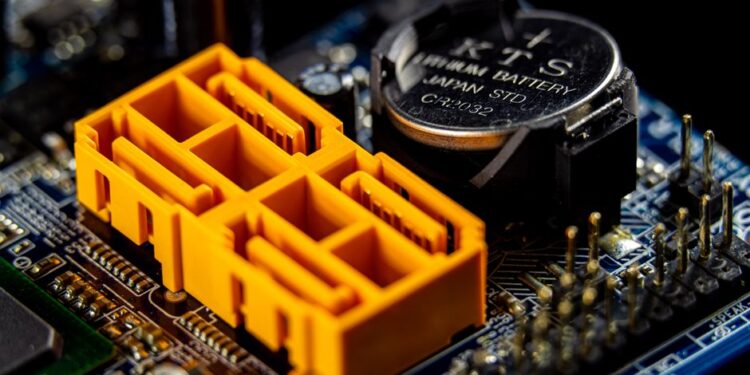
Sony and TSMC's joint investment of $6.4 billion in Japan marks a significant step towards enhancing the country's semiconductor manufacturing capabilities. This collaboration is expected to create numerous job opportunities in the sensor technology sector and reflects a broader trend of regionalization in global semiconductor production.

Japan — Sony Group Corp. and Taiwan Semiconductor Manufacturing Co. (TSMC) have announced a joint investment of ¥1 trillion (about $6.4 billion). They will establish a new sensor manufacturing plant in Japan. This move aims to boost image sensor production and is expected to start operations by 2029.
This investment comes as demand for advanced sensor technologies is rising. The use of sensors is increasing in automotive, consumer electronics, and industrial automation. The partnership between Sony and TSMC is significant. It highlights a trend toward localized semiconductor production in Japan, which has struggled to stay competitive in the global market.
Increased Demand for Sensor Technology Expertise
The global semiconductor industry is seeing a huge demand for advanced sensor technologies. The rise of electric vehicles, smart home devices, and IoT applications increases the need for high-quality image sensors. Career Ahead analysis suggests that this investment will likely create many job opportunities for hardware engineers and semiconductor specialists in Japan.
As companies adopt automation and AI technologies, the need for skilled professionals to design and manufacture sensor systems will grow. This trend offers engineers specializing in sensor technology a chance to advance their careers. Localized semiconductor production may also lead to more stable job opportunities, as companies aim to reduce reliance on overseas manufacturing.
Research from finance.yahoo.com indicates that the Japanese government supports semiconductor manufacturing. They provide financial incentives and grants to attract investments. This support will further boost job growth in the sector, as new plants will need a skilled workforce to operate and innovate.
Additionally, the collaboration between Sony and TSMC is likely to promote knowledge sharing and innovation in Japan’s semiconductor ecosystem. This can lead to new technologies and methods that will benefit hardware engineers specializing in sensor technologies.
With this investment expected to create many roles in engineering, production, and research, Japan’s semiconductor job market is set for significant growth.
With this investment expected to create many roles in engineering, production, and research, Japan’s semiconductor job market is set for significant growth. Engineers and specialists focusing on sensor technology will be in high demand as the industry evolves.
Collaboration Opportunities Between Sony and TSMC
The partnership between Sony and TSMC is a key moment in the semiconductor landscape. Both companies have unique strengths. Sony leads in image sensor technology, while TSMC is the world’s largest semiconductor foundry. Their collaboration aims to streamline production and improve sensor product quality.
This partnership also opens doors for hardware engineers to work on innovative projects. They will engage in collaborative efforts that push the boundaries of current sensor capabilities as the plant begins operations.
Furthermore, as reported by news.microsoft.com, this investment aligns with Japan’s strategy to strengthen its semiconductor industry. The Japanese government supports such investments to enhance the local supply chain and reduce dependency on foreign suppliers.

Career Ahead research shows that this investment could create a ripple effect in the semiconductor job market, not just in Japan but also in neighboring countries. As companies seek similar partnerships and production facilities, the demand for skilled engineers will likely extend beyond Japan.
In this context, semiconductor specialists should prepare for a changing job landscape where collaboration and innovation are vital. The focus on localized production means engineers may need to adapt to new technologies and practices from this partnership.
In this context, semiconductor specialists should prepare for a changing job landscape where collaboration and innovation are vital.
Wider Implications for the Semiconductor Industry
The investment by Sony and TSMC is a major development for Japan and has broader implications for the global semiconductor industry. As countries work to enhance their semiconductor manufacturing, this investment signals a shift toward regionalization in production.
According to stlouisfed.org, Japan’s renewed focus on its semiconductor industry reflects a larger trend among developed nations to secure their supply chains. This trend is driven by geopolitical tensions and the need for self-sufficiency in critical technologies. Sony and TSMC’s investment may inspire similar initiatives in other countries, leading to a more decentralized semiconductor manufacturing landscape.
For hardware engineers and semiconductor specialists, this shift presents challenges and opportunities. As the industry adapts to new production models, engineers must stay updated on technological advancements and industry trends. Continuous learning and upskilling will be necessary to remain competitive in the job market.

Moreover, focusing on localized production could create a more resilient semiconductor supply chain. By reducing reliance on international suppliers, companies may lessen risks linked to supply chain disruptions, which have been common in recent years.
This investment’s implications go beyond job creation; it marks a transformative moment for the semiconductor industry. Collaboration, innovation, and localization will shape the future landscape.
As the semiconductor industry evolves, professionals must closely monitor these developments.
As the semiconductor industry evolves, professionals must closely monitor these developments. The changes from this investment may set the stage for new trends in manufacturing, job opportunities, and technological advancements in the coming years.
Frequently Asked Questions
What skills are needed for hardware engineers in the sensor technology sector?
Hardware engineers in the sensor technology sector should focus on circuit design, embedded systems, and software integration. Proficiency in programming languages and familiarity with sensor applications are also essential for success in this growing field.
How will this investment impact semiconductor manufacturing jobs in Japan?
This investment is expected to create many job opportunities in semiconductor manufacturing in Japan. As the plant becomes operational, there will be a demand for skilled engineers and technicians to support production and innovation.

What should semiconductor specialists do to prepare for changes in the industry due to this investment?
Semiconductor specialists should stay informed about industry trends and advancements in sensor technology. Upskilling in areas like AI integration and advanced manufacturing techniques will be crucial to remain competitive in this evolving job market.
Related Articles
- China’s Tech Disruption Shakes Silicon Valley and Washington
Written by Career Ahead AI. AI can make mistakes, so verify key facts. Report errors to support@careeraheadonline.com.