No products in the cart.

Brent Crude Oil Prices Top $100 as Conflict With Iran Drags On
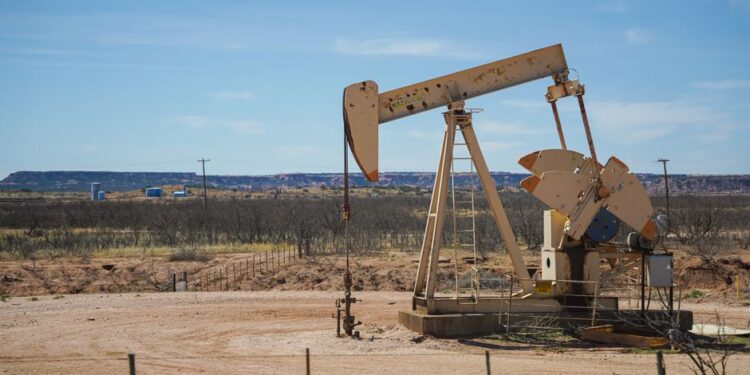
Brent crude oil prices have surged past $100 a barrel amid escalating tensions with Iran, raising concerns about supply disruptions and impacting global markets. Analysts warn of further price increases if the geopolitical situation worsens, affecting economic indicators and investment strategies worldwide.

Brent crude oil prices have surged past $100 a barrel. This rise comes as tensions with Iran escalate, affecting global markets. Energy economists and financial analysts are concerned about future oil market forecasts and investment strategies.
The conflict between the United States and Iran has intensified. This has raised fears of supply disruptions in an already volatile market. As a result, Brent crude prices have increased significantly. Analysts warn of further rises if the situation worsens. This spike in oil prices reflects deeper economic implications that could reshape energy investments and market strategies.
Impact of Rising Oil Prices on Global Energy Markets
The rise in Brent crude prices is a key indicator of the global energy market’s state. According to the U.S. Energy Information Administration (EIA), the price increase is mainly due to geopolitical tensions and potential supply constraints. The ongoing conflict in the Strait of Hormuz, a vital oil shipping route, has heightened fears of disruptions, leading to increased market volatility.
Career Ahead’s analysis shows that price surges often correlate with broader economic indicators, including inflation rates and GDP growth. For example, when oil prices rise, transportation and production costs increase. This can lead to higher consumer prices, creating inflationary pressure that may slow economic growth. Central banks might adjust monetary policy, which could raise borrowing costs for businesses and consumers.
Additionally, the recent surge in oil prices has been influenced by a sell-off in U.S. markets. This has affected Asian stocks, as reported by The New York Times. The interconnectedness of global markets highlights the importance of oil prices as a barometer for economic health. As oil becomes more expensive, businesses may face tighter margins. This could lead to layoffs and reduced consumer spending, further slowing the economy.
As oil becomes more expensive, businesses may face tighter margins.
Financial analysts now face the challenge of adjusting their models to account for rising oil prices. Traditional forecasting methods may not work well in a landscape where geopolitical events cause rapid price changes. Analysts must consider a wider range of variables, such as political stability and regional conflicts, in their assessments.
You may also like
 Industry & Global Trends
AI Is Creating More Jobs Than It Cuts in India, Nomura Says
A recent report by Nomura Holdings reveals that AI technologies are creating more jobs than they are eliminating in India, highlighting a significant shift in…
Read More →Energy economists are also re-evaluating their long-term strategies due to these developments. The shift in oil prices might lead to more investment in alternative energy sources. Companies may seek to reduce risks associated with volatile fossil fuel markets. This transition could speed up the adoption of renewable energy technologies, fundamentally changing the energy landscape.
Borrowing Costs and Investment in Energy Sectors
As oil prices rise, the effects on borrowing costs and investment strategies become clearer. Higher oil prices can increase costs for energy companies, affecting their borrowing capabilities. Financial analysts need to consider how these rising costs impact the overall financial health of energy firms.
Career Ahead research shows that during high oil price periods, companies often face tighter credit conditions. Lenders may become cautious, leading to higher interest rates on loans for energy projects. This can limit investment in new exploration and production, affecting supply levels in the long run. The recent price surge may cause energy firms to reassess their capital expenditure plans, potentially delaying or scaling back projects.
The technology sector is also feeling the impact of rising oil prices. Companies reliant on logistics and transportation are seeing their operational costs rise. This has led to increased scrutiny on supply chain efficiencies and the need for innovative solutions to offset higher costs. Analysts suggest that firms may need to invest in technology that improves operational efficiency to stay competitive in a high-cost environment.

The relationship between oil prices and economic health will be crucial in determining the future of energy investments.
As reported by CNBC, the ongoing conflict in the Strait of Hormuz has intensified concerns about oil supply stability. This uncertainty may lead to further price increases. Energy companies might adopt more conservative financial strategies, resulting in a slowdown in new investments. The technology sector may need to pivot towards more sustainable practices to manage risks linked to fluctuating oil prices.
You may also like
 Industry & Global Trends
Bond Market Rates Challenge Home Buyers, AI Data Centers
Rising bond market rates are reshaping the financial landscape, presenting hurdles for home buyers and AI data centers while creating new investment opportunities for retirees.
Read More →In this context, energy economists and financial analysts must stay alert. They need to monitor not only oil price movements but also broader economic indicators that could signal shifts in investment patterns. The relationship between oil prices and economic health will be crucial in determining the future of energy investments.
In summary, the current surge in Brent crude oil prices presents both challenges and opportunities for various sectors. Energy economists and financial analysts must navigate this complex landscape, adjusting their strategies to account for changing market dynamics. The interplay between geopolitical events, economic indicators, and technological advancements will be vital in shaping the future of energy markets.
As the situation with Iran unfolds, the energy market remains on edge. Analysts will closely watch how these geopolitical tensions impact oil prices and the broader economy. The coming weeks may reveal whether this price surge is a temporary spike or a sign of a longer-term trend.
Frequently Asked Questions
What factors are driving the increase in Brent crude oil prices?
The increase in Brent crude oil prices is mainly driven by rising tensions with Iran and potential supply disruptions in the Strait of Hormuz. This geopolitical instability has raised concerns about future oil availability, prompting market reactions.
This geopolitical instability has raised concerns about future oil availability, prompting market reactions.
How should financial analysts adjust their models in response to rising oil prices?
Financial analysts should include geopolitical risks and broader economic indicators in their models to better predict oil price fluctuations. Traditional forecasting methods may not adequately account for rapid changes caused by external factors.

What strategies can energy economists use to mitigate risks associated with volatile oil prices?
You may also like
 Industry & Global Trends
July Job Losses Highlight Economic Instability in the US
The US economy unexpectedly lost 23,000 jobs in July 2026, marking a significant downturn in the labor market, particularly affecting manufacturing and retail sectors amid…
Read More →Energy economists can focus on diversifying energy sources and investing in alternative technologies to reduce reliance on fossil fuels. This approach can help mitigate the impact of price volatility and align with sustainability goals.