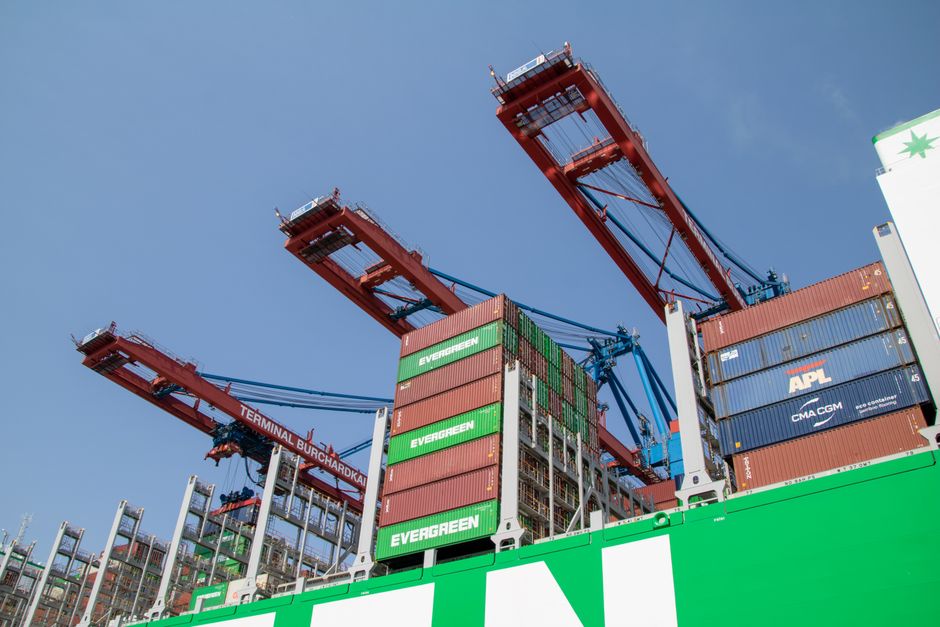
South Korea‘s exports maintained a strong growth trajectory in early August, climbing 61.5% year-on-year, according to customs data released on August 21, 2026. This surge has sparked discussions about the potential for further interest rate hikes as the economy shows signs of resilience, largely driven by artificial intelligence (AI) demand.
This growth is particularly significant as it follows a record increase of 62.9% in July, highlighting a sustained upward trend in export performance. Analysts are closely monitoring these developments, as they suggest a robust economic environment that may necessitate adjustments in monetary policy.
AI-Driven Demand: A Catalyst for Export Growth
The role of AI in driving export demand cannot be overstated. South Korea has positioned itself as a leader in technology and innovation, with companies increasingly leveraging AI to enhance productivity and efficiency. This technological advancement has resulted in higher demand for South Korean products, particularly in sectors such as electronics and machinery.
According to data from the U.S. Export-Import Bank, the integration of AI technologies in manufacturing processes has not only improved output but also reduced operational costs. This has allowed South Korean firms to offer competitive pricing in international markets, further boosting export volumes.
Moreover, the increasing global reliance on AI for various applications, from consumer electronics to industrial automation, has positioned South Korean exporters favorably. Firms investing in AI-driven innovations are likely to see sustained demand for their products, creating a positive feedback loop that enhances export performance.
By embracing AI and other emerging technologies, they can better align their strategies with market demands and capitalize on growth opportunities.
This trend underscores the importance for export managers to stay ahead of technological advancements. By embracing AI and other emerging technologies, they can better align their strategies with market demands and capitalize on growth opportunities. As the AI landscape continues to evolve, export managers must also consider how these technologies can be integrated into their supply chains and logistics processes. This adaptability will be crucial in maintaining competitiveness in an increasingly globalized market.
 Industry & Global Trends
Fed Signals Flexibility in Rate-Hike Timing Amid Inflation Concerns
The Federal Reserve's recent comments on rate-hike flexibility signal potential shifts in monetary policy that could reshape investment strategies for financial analysts and investment managers.…
Read More →Interest Rate Implications for Financial Analysts
The strong export growth in South Korea raises critical questions for financial analysts regarding interest rate forecasts. With the economy showing signs of robust performance, the Bank of Korea may consider tightening monetary policy to prevent overheating. This potential shift could have significant implications for financial forecasting and investment strategies.
Rising exports typically correlate with increased interest rates, as central banks aim to manage inflationary pressures. Financial analysts must be prepared for potential rate hikes and adjust their models accordingly to account for these changes. The impact of interest rate changes on various sectors cannot be overlooked. For instance, higher rates may affect borrowing costs for businesses, which could influence their investment decisions.
Furthermore, the financial landscape is becoming increasingly complex, with global economic factors also playing a role in interest rate decisions. Analysts need to stay informed about international trade dynamics and how they intersect with domestic economic indicators. This holistic approach will be essential for making informed predictions and recommendations.

In light of these developments, financial analysts should also be aware of the potential for volatility in financial markets as interest rates adjust.
In light of these developments, financial analysts should also be aware of the potential for volatility in financial markets as interest rates adjust. Preparing for these fluctuations will be key to navigating the evolving economic landscape effectively.
Strategies for Export Managers in a Changing Landscape
As South Korea’s export growth continues to rise, export managers must adapt their strategies to leverage this momentum. The integration of AI into their operations is a critical component of this evolution. By utilizing AI tools, export managers can optimize supply chains, enhance customer engagement, and improve decision-making processes.
 Industry & Global Trends
September Rate Hike’s Impact on Financial Analysts
The Federal Reserve's recent hawkish stance and September rate hike have significant implications for financial analysts and investment managers. Understanding these changes is crucial for…
Read More →Companies that embrace AI-driven solutions can gain a competitive edge in the marketplace. This includes utilizing data analytics to identify emerging trends and consumer preferences, allowing for more targeted marketing and product development. Additionally, export managers should focus on building strong partnerships with technology providers to ensure they have access to the latest innovations.

Collaborating with tech firms can facilitate the development of customized solutions that meet specific export needs, enhancing operational efficiency. Furthermore, training and upskilling employees to work effectively with AI systems is essential. Investing in workforce development will ensure that teams are equipped to navigate the complexities of modern export operations and can effectively leverage technological advancements.
Frequently Asked Questions
What factors are driving South Korea’s export growth?
South Korea’s export growth is primarily driven by increasing demand for AI-driven products and technologies. The country’s strong focus on innovation and technology has positioned it as a leader in various sectors, enhancing its export capabilities.
South Korea’s export growth is primarily driven by increasing demand for AI-driven products and technologies.
How can financial analysts prepare for potential interest rate hikes?
Financial analysts can prepare for potential interest rate hikes by closely monitoring economic indicators, such as export performance and inflation rates. Adjusting financial models to account for these changes will be crucial for accurate forecasting.
What should export managers do to capitalize on AI-driven demand?
Export managers should invest in AI technologies to optimize their operations and improve decision-making processes. Additionally, building partnerships with tech providers and focusing on workforce training will enhance their competitive edge in the market.
 Industry & Global Trends
Repo Rate Hike Shapes Financial Analyst and Broker Roles
The Reserve Bank of India's recent repo rate hike to 5.5% marks a pivotal shift in monetary policy. Financial analysts and investment brokers must adapt…
Read More →Written by Career Ahead AI. AI can make mistakes, so verify key facts. Report errors to support@careeraheadonline.com.