No products in the cart.

SpaceX, in First Earnings After IPO, Reports Soaring AI Spending
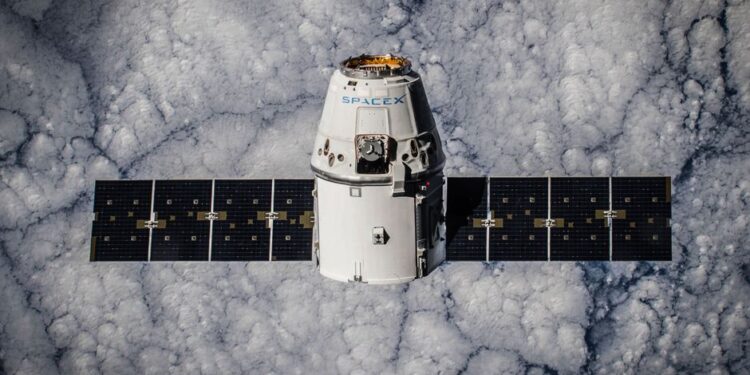
SpaceX's first earnings report after its IPO reveals a significant increase in AI spending, indicating a strategic shift in the aerospace industry towards advanced technologies. This trend is expected to create new job opportunities for aerospace engineers and data scientists while raising important considerations for financial analysts.

SpaceX reported a huge increase in its AI spending during its first earnings report after its IPO. The company revealed a nearly sevenfold rise in capital expenditures compared to the previous year. This investment shows SpaceX’s commitment to using advanced technologies in its operations. It also highlights a big change in the aerospace industry. According to The New York Times, this rise in spending shows SpaceX’s focus on using AI to improve its operations and stay competitive.
The earnings report, released on August 4, 2026, showed that SpaceX exceeded revenue expectations. The company also made AI a key part of its growth strategy. This increased spending has broad implications, especially for professionals in aerospace engineering, data science, and financial analysis. As noted by The Guardian, SpaceX’s strong financial performance, despite rising costs, indicates a smart investment in future technologies.
Growing Demand for AI-Skilled Aerospace Engineers
The aerospace sector is changing as companies like SpaceX increase their AI investments. Career Ahead’s analysis finds that this trend raises the demand for aerospace engineers skilled in AI applications. As SpaceX and others adopt AI for design, simulation, and efficiency, engineers who can integrate these technologies into existing systems are crucial. The report highlights that engineers with strong AI skills will drive innovation in the industry.
With SpaceX’s AI spending rising, aerospace engineers must evolve their skills. They need to be skilled in machine learning, data analysis, and software tools that help integrate AI into projects. This shift opens new job opportunities and highlights the need for continuous learning in the engineering workforce. As AI technologies become more common, the potential for innovation in aerospace design and manufacturing grows. Engineers who can use AI to improve performance and cut costs will be in high demand. This trend suggests that schools may need to change their curricula to prepare future engineers.
Career Ahead’s research shows that the gap between current engineering skills and AI integration needs is widening. This gap offers a chance for targeted training programs focusing on AI in aerospace. Such programs will ensure engineers can meet industry demands. The growing complexity of aerospace projects requires a workforce that is technically skilled and adaptable to rapid technological changes.
They need to be skilled in machine learning, data analysis, and software tools that help integrate AI into projects.
You may also like
 Industry & Global Trends
Stripe Expands Hiring Amid AI Job Losses
Stripe's expansion in Dublin, with plans to hire 496 roles, highlights a growing demand for software engineers and data analysts amid rising AI job losses.…
Read More →As the industry changes, engineers will need to work with AI specialists to create integrated solutions that improve aerospace systems. This teamwork will be vital in tackling the complex challenges of modern aerospace projects. It further emphasizes the need for a workforce well-versed in both engineering and AI technologies.
Opportunities for Data Scientists in Aerospace Projects
As SpaceX invests heavily in AI, data scientists are at the center of this technological change. The company’s focus on AI solutions creates many opportunities for data scientists in aerospace projects. Career Ahead’s analysis shows that data scientists skilled in machine learning, predictive analytics, and data visualization will be especially valuable. Their work will be key in interpreting the vast data generated by aerospace systems, helping companies make informed decisions and optimize operations.
For example, AI can improve flight safety, enhance fuel efficiency, and streamline supply chain management. This shift highlights the need for data scientists to work closely with aerospace engineers to develop integrated solutions. The earnings report notes that integrating AI into operations is expected to significantly improve efficiency and effectiveness across various aerospace applications.
Moreover, as SpaceX aims to boost its operational capabilities through AI, the demand for data scientists with aerospace knowledge is expected to rise. This trend not only expands job opportunities for data scientists but also emphasizes the need for collaboration within the aerospace sector. Data scientists must possess technical skills and understand the unique challenges of the aerospace industry. This understanding will help them tailor their analyses and solutions to meet specific project needs.

Data scientists must possess technical skills and understand the unique challenges of the aerospace industry.
In summary, SpaceX’s surge in AI spending creates a promising landscape for data scientists. As the aerospace sector increasingly relies on data-driven insights, professionals in this field must position themselves to seize emerging opportunities. The collaborative nature of aerospace projects will likely lead to innovative breakthroughs, driven by the synergy between data science and engineering.
The significant increase in SpaceX’s AI spending also raises important questions for financial analysts in the tech sector. With capital expenditures nearly seven times higher than last year, analysts must evaluate how this spending affects the company’s valuation and growth potential. Career Ahead’s analysis shows that understanding the link between AI investments and financial performance is critical for analysts.
You may also like
 Industry & Global Trends
Vedanta’s Bauxite Supply Plea Dismissed
Vedanta's petition argued that the company made substantial investments based on the state's assurance of a guaranteed bauxite supply.
Read More →As companies invest more in AI, financial analysts need to assess the return on investment (ROI) related to these expenditures. This involves analyzing how AI innovations can improve efficiency, cut costs, and contribute to revenue growth. Analysts must develop frameworks that accurately capture the financial impacts of AI investments in aerospace. Additionally, the volatility of tech stocks, especially after an IPO, adds complexity for financial analysts. They must navigate market sentiments and investor expectations while providing insights into the long-term value of companies like SpaceX making big AI investments.
As the aerospace industry evolves, financial analysts must also consider the broader economic implications of rising AI spending. This includes evaluating how increased competition and technological advancements may change market dynamics and affect investor confidence. SpaceX’s soaring AI spending has implications beyond immediate financial metrics. As the aerospace industry embraces AI technologies, the demand for skilled professionals in aerospace engineering and data science will continue to grow. This trend raises questions about how educational institutions and training programs will adapt to meet future workforce needs.
Frequently Asked Questions
What skills do aerospace engineers need to work with AI at SpaceX?
Aerospace engineers at SpaceX need skills in machine learning, data analysis, and software tools for AI integration. This includes proficiency in programming languages like Python and familiarity with AI frameworks and algorithms.
Aerospace engineers at SpaceX need skills in machine learning, data analysis, and software tools for AI integration.
How can data scientists leverage SpaceX’s AI spending for career growth?
Data scientists can leverage SpaceX’s AI spending by developing expertise in machine learning and data analytics specific to aerospace applications. This positions them as valuable contributors to projects that enhance operational efficiency and safety in aerospace.
What should financial analysts consider when evaluating tech companies with rising capital expenditures?
Financial analysts should assess the return on investment related to rising capital expenditures, especially in AI. They must evaluate how these investments contribute to long-term growth and competitiveness in the tech sector.
You may also like
 Industry & Global Trends
US Manufacturing Expansion Continues Despite Mounting Costs
The current expansion comes at a time when costs are climbing, driven by inflationary pressures and supply chain disruptions. A report by Manufacturing Dive indicates…
Read More →