No products in the cart.

SpaceX Launches V3 Starlink Satellites Amid Booster Failure
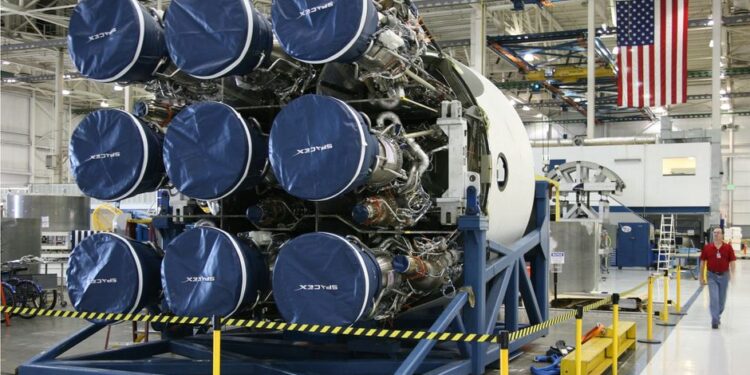
SpaceX's recent launch of V3 Starlink satellites was marred by another booster failure. This incident highlights the challenges and advancements in satellite technology, impacting aerospace engineers and satellite communications professionals.

SpaceX successfully launched its first batch of V3 Starlink satellites on July 24, 2026. The company used an upgraded version of its Starship rocket for this mission. However, the launch was marred by another failure of the Super Heavy booster during a planned simulated landing in the Gulf of Mexico. This incident raises serious questions about rocket technology reliability and its impact on future satellite launches.
The booster is vital for the initial phase of the launch. It failed to ignite all necessary engines for its landing burn, leading to an explosion on impact with the water. This is the second failure of the Super Heavy booster for the V3 Starship, following a similar problem during its first flight in May. Despite these issues, the upper stage of the Starship performed well, deploying the new satellites and conducting a simulated landing in the Indian Ocean.
Impact of Booster Failures on Launch Schedules
Booster failures can disrupt launch schedules and delay critical satellite deployments. With the rising demand for satellite communications, these delays can hinder technology advancements that depend on timely launches. Career Ahead’s analysis shows that repeated Super Heavy booster failures may force aerospace engineers and satellite communication professionals to reevaluate their launch plans and timelines.
SpaceX’s booster challenges are not unique; they reflect broader issues in the aerospace industry regarding reusable rocket systems. As noted by orbitalradar.com, successful booster landings are crucial for reusability and cost-effectiveness. Setbacks in this area can have widespread effects on the satellite launch ecosystem.
The economic implications of these failures are significant. Following the recent booster failure, SpaceX’s stock declined, raising investor concerns about the company’s ability to meet its satellite deployment schedule. As reported by next2space.com, costs increase when boosters cannot be reused, which may impact pricing strategies for satellite communication services.
This situation highlights the need for better failure analysis and recovery strategies among aerospace engineers. Engineers must focus on creating more robust systems that can endure multiple launches and landings. As the industry evolves toward more complex satellite systems, the pressure to improve reliability will grow.
This situation highlights the need for better failure analysis and recovery strategies among aerospace engineers.
Advancements in Satellite Technology with V3 Starlink
You may also like
 News
NewsTech Giants Lay Off Over 142,000 Workers in Early 2026 as AI Investment Accelerates
The reductions are linked to a strategic shift toward artificial-intelligence-driven workflows and large-scale AI infrastructure spending.
Read More →Despite the booster setbacks, the launch of the V3 Starlink satellites marks a significant advancement in satellite technology. These third-generation satellites aim to improve the capacity and performance of SpaceX’s satellite internet service. According to spaceflight-tracker.com, the new satellites could offer a twenty-fold increase in downlink capacity compared to those from previous Falcon 9 missions.
This capacity boost is essential for meeting the global demand for high-speed internet access. The V3 Starlink satellites feature advanced technologies that enable better connectivity and higher data rates, which are vital for both consumer and commercial applications. Aerospace engineers must adapt to these advancements and learn to integrate new technologies into existing systems.
Additionally, deploying multiple satellites in a single launch improves the economics of satellite deployment. This makes it easier for companies to invest in satellite technology. The enhancements in the V3 satellites could lead to more competitive pricing in the satellite communications market, benefiting users and businesses alike.
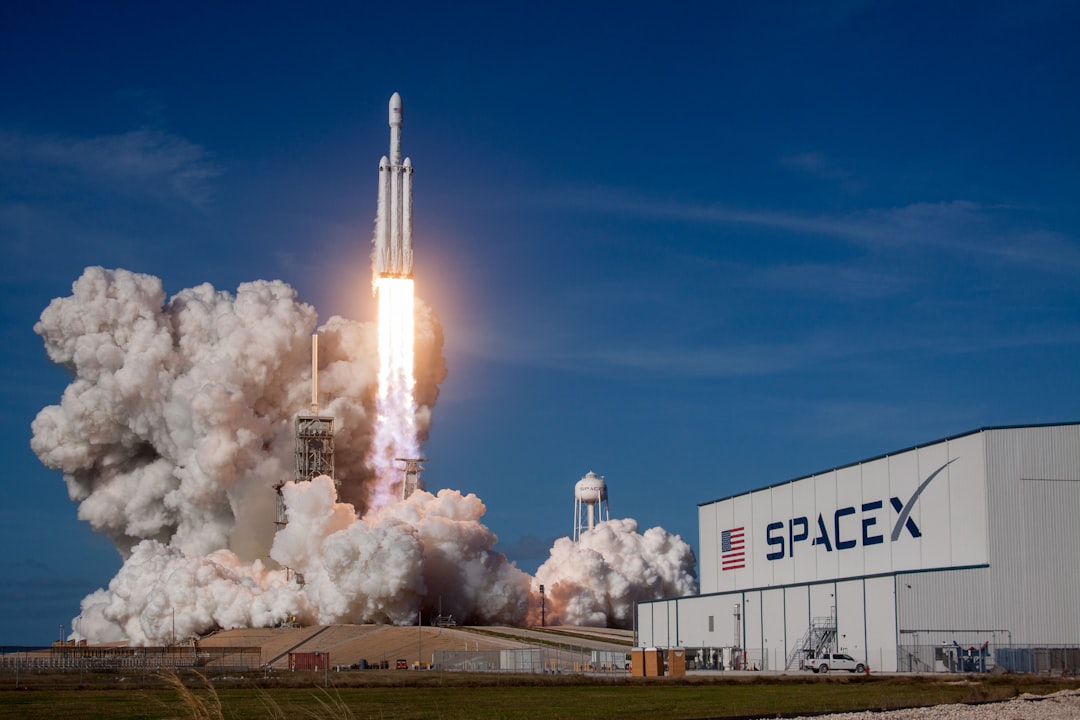
However, the success of these advancements relies on the launch system’s reliability. Career Ahead’s research indicates that without a fully reusable Starship, the pace and cost of deploying new satellites could slow significantly. This would impact the growth of satellite communications infrastructure, which needs rapid deployment to meet market demands.
This would impact the growth of satellite communications infrastructure, which needs rapid deployment to meet market demands.
Implications for Satellite Communications Infrastructure
The implications of SpaceX’s booster failure go beyond immediate launch delays; they also affect the broader satellite communications infrastructure. As the industry evolves, satellite communications professionals must address the challenges posed by unreliable launch systems. Career Ahead’s analysis suggests that engineers should prioritize reliability and efficiency in their designs to reduce risks from launch failures.
Moreover, the increasing complexity of satellite systems requires engineers to create innovative solutions that adapt to changing launch conditions. Integrating advanced technologies, such as AI and machine learning, into satellite operations could offer new ways to improve reliability and performance.
You may also like
 News
NewsMeta Pays $567 Million for Kids’ Mental Health Safety
A New Mexico court has ordered Meta to pay $567 million to enhance mental health and safety for children on its platforms, marking a significant…
Read More →As the satellite communications landscape continues to change, engineers must also consider regulatory and policy shifts that may arise from incidents like the recent booster failure. Stricter safety regulations and enhanced testing protocols could emerge as the industry works to improve launch system reliability.
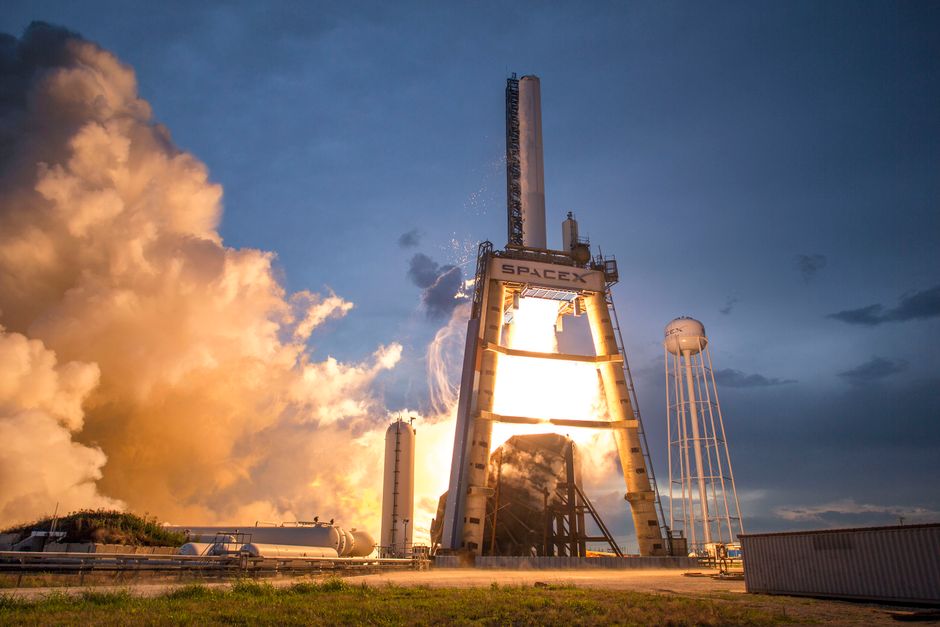
In conclusion, the challenges SpaceX faces with its booster failures highlight the critical need for reliability in aerospace engineering. As the industry moves forward, engineers must remain vigilant in tackling these challenges to ensure the growth and success of satellite communications infrastructure.
Looking ahead, the question remains: how will SpaceX address these reliability issues, and what will this mean for the future of satellite launches? The outcome of these developments will be crucial for the aerospace sector and its engineers.
The outcome of these developments will be crucial for the aerospace sector and its engineers.
Frequently Asked Questions
What are the implications of SpaceX’s booster failure for aerospace engineers?
SpaceX’s booster failure highlights the need for aerospace engineers to focus on reliability and failure analysis. As demand for satellite launches increases, engineers must develop robust systems that can handle multiple launch challenges.
How do V3 Starlink satellites improve satellite communications?
The V3 Starlink satellites provide a significant increase in downlink capacity, potentially twenty-fold compared to earlier models. This enhancement is vital for meeting the demand for high-speed internet access and improves overall satellite communications performance.

What should satellite communications engineers consider after a launch failure?
After a launch failure, satellite communications engineers should prioritize reliability in their designs. They should also consider integrating advanced technologies to boost performance and stay informed about regulatory changes that may arise from such incidents.
You may also like
 News
NewsHHS Proposes Overhaul of Head Start Regulations, Targeting Expanded Access and New Health Standards
Department of Health and Human Services announced a proposed rule to revise federal guidelines for the Head Start early‑education program.
Read More →