

SpaceX’s $55 Billion Investment in A.I. Chips
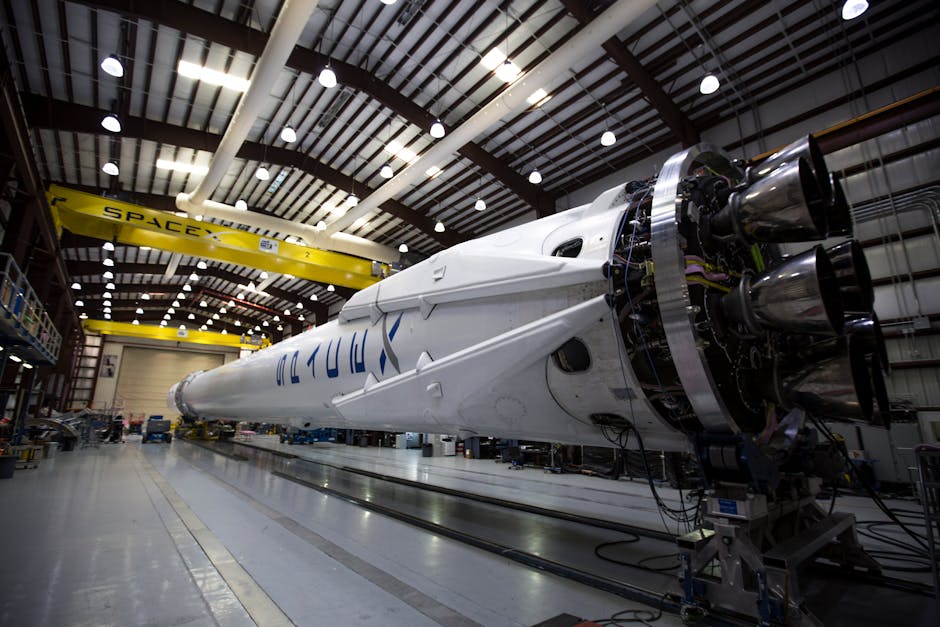
On May 7, 2026, SpaceX announced a monumental $55 billion investment in A.I. chip production, launching a new semiconductor factory named Terafab. This initiative positions SpaceX not only as a leader in space exploration but also as a significant player in the technology sector, aiming to capitalize on the surging demand for A.I. technology across various industries.
The Terafab facility is projected to create thousands of jobs, providing a substantial boost to local economies. This strategic shift towards A.I. chip production marks a diversification of SpaceX’s portfolio beyond aerospace and satellite technology.
Transforming the A.I. Landscape
Musk’s investment could significantly reshape the A.I. industry by intensifying competition among tech giants. By focusing on innovative chip production, SpaceX aims to enhance its technological infrastructure, potentially leading to breakthroughs in machine learning and data processing.
Moreover, this initiative aligns with Musk’s vision of integrating A.I. into everyday life, with the potential to revolutionize sectors such as healthcare and transportation. However, it also raises critical ethical concerns regarding privacy, job displacement, and decision-making biases, prompting necessary discussions on balancing technological advancement with ethical responsibilities.
By focusing on innovative chip production, SpaceX aims to enhance its technological infrastructure, potentially leading to breakthroughs in machine learning and data processing.
Market Dynamics and Industry Reactions
Following the announcement, stocks of competing semiconductor companies experienced fluctuations as investors assessed the implications of SpaceX’s entry into the A.I. chip market. Industry experts predict that Musk’s investment could accelerate innovation, compelling other companies to increase their R&D spending to keep pace.
Collaborations between SpaceX and other tech firms may also emerge, as companies seek to leverage SpaceX’s expertise in A.I. chip manufacturing, further driving innovation within the ecosystem.
Challenges in Execution
Despite the optimistic outlook, SpaceX faces significant challenges in executing this ambitious project. Building a semiconductor factory demands substantial time and resources, and the company must navigate supply chain issues and regulatory hurdles that could delay production.
Attracting and retaining top talent in the competitive A.I. field is another hurdle. SpaceX will need to provide compelling incentives to recruit skilled engineers and researchers, ensuring that the Terafab project can achieve its ambitious goals.
Workforce Implications and Future Developments
The establishment of the Terafab facility is expected to create numerous job opportunities, particularly for engineers, technicians, and manufacturing workers. As A.I. technology continues to evolve, educational institutions may need to adapt their curricula to prepare students for emerging roles in A.I. and semiconductor manufacturing.
 AI & Technology
India Ranked Sixth in White House Investment Tracker at USD 500 Billion
India ranked sixth in the White House’s Trump Effect tracker, which listed USD 500 billion for India and USD 1.4 tr
Read More →Workforce Implications and Future Developments The establishment of the Terafab facility is expected to create numerous job opportunities, particularly for engineers, technicians, and manufacturing workers.
As the A.I. landscape evolves, the impact of SpaceX’s investment could extend beyond the tech industry, transforming sectors such as finance and education. The ethical considerations surrounding A.I. will remain a critical focus, as responsible development becomes paramount for public trust.
This ambitious project by SpaceX underscores the company’s commitment to innovation while raising essential questions about the future of technology and its societal impact. As the A.I. landscape continues to evolve, how will companies navigate the balance between technological advancement and ethical responsibilities?
Written by Career Ahead AI. AI can make mistakes, so verify key facts. Report errors to support@careeraheadonline.com.





