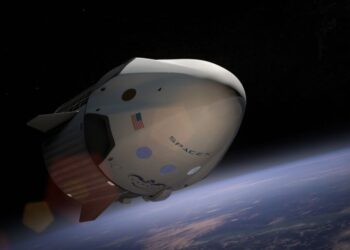
SpaceXAI, the latest venture from Elon Musk, is grappling with a substantial challenge: staff turnover. Since its merger, over 50 employees have reportedly departed the company, raising concerns about internal culture and management practices. This situation is part of Musk’s broader strategy to integrate artificial intelligence into space exploration.
The merger aimed to enhance SpaceX’s AI capabilities, but reports suggest that the high-pressure environment typical of Musk’s ventures has led to employee burnout. Many skilled workers are opting to leave, resulting in a potential talent drain that could hinder the company’s long-term objectives.
According to TechCrunch, the turnover underscores systemic issues within the company. Employees have expressed dissatisfaction with management decisions and the overall work culture, reflecting a broader trend in high-tech industries where mergers often lead to unstable work environments.
Challenges of Merging Corporate Cultures
The issues faced by SpaceXAI are not isolated. Many tech companies encounter similar challenges post-merger. The integration of different corporate cultures can create friction, leaving employees uncertain about their future. This uncertainty often exacerbates turnover rates, as seen at SpaceXAI.
As highlighted by Forbes, the pressure to perform in high-stakes environments can lead to burnout, prompting employees to seek opportunities elsewhere. This trend is particularly concerning for companies like SpaceXAI that depend on a highly skilled workforce to innovate and remain competitive.
Moreover, the merger’s promises of growth and opportunity can quickly sour if not managed effectively.
Moreover, the merger’s promises of growth and opportunity can quickly sour if not managed effectively. Employees expect a smooth transition, but when reality falls short, it can lead to disillusionment. This disillusionment, coupled with a lack of clear communication from leadership, creates an environment conducive to turnover.
Impact of Turnover on Productivity
Employee turnover rates in the tech industry have long been a concern. A study by Harvard Business Review indicates that high turnover can significantly impact a company’s productivity and innovation capabilities. For SpaceXAI, losing skilled workers means not only a decline in productivity but also a potential setback in its ambitious AI projects.
The 2025‑26 GEM report and EY’s ecosystem barometer reveal that access to capital and talent remains the decisive bottleneck for three‑quarters of founders.
Data shows that companies with high turnover rates often struggle to maintain a competitive edge. Departing employees take valuable knowledge and expertise with them, hindering a company’s ability to innovate and respond to market demands effectively.
The cost of replacing employees can be substantial, with estimates suggesting turnover costs can reach as high as 200% of an employee’s salary when factoring in recruitment, training, and lost productivity. For a company like SpaceXAI, which relies on cutting-edge talent, these costs can accumulate rapidly.
A lack of clear communication and failure to integrate cultures can lead to misunderstandings and resentment among staff, suggesting that SpaceXAI’s leadership may need to reassess its change management approach.
Reevaluating Management Strategies
The situation at SpaceXAI has ignited a debate about the effectiveness of mergers in the tech industry. While mergers are often pursued to create synergies and enhance capabilities, they can also lead to significant challenges. Critics argue that the pressure to integrate can overshadow employee needs, resulting in a toxic work environment.
Some experts contend that the merger was poorly executed. A lack of clear communication and failure to integrate cultures can lead to misunderstandings and resentment among staff, suggesting that SpaceXAI’s leadership may need to reassess its change management approach.
Conversely, some argue that high turnover is simply part of the tech industry’s fast-paced nature, with employees frequently seeking new growth opportunities. However, the scale of the exodus at SpaceXAI indicates that deeper issues may be at play.
Strategies for Retention and Growth
The future of SpaceXAI hinges on its ability to tackle the current turnover crisis. To stabilize its workforce, the company must implement strategies that prioritize employee satisfaction. This could involve enhancing communication between management and staff, offering competitive compensation, and fostering a culture of support and recognition.
Strategies for Retention and Growth
The future of SpaceXAI hinges on its ability to tackle the current turnover crisis.
Elon Musk's X has launched the Original Content Rewards Program, replacing the previous Revenue Sharing Programme. This initiative aims to incentivize creators to produce original…
Investing in employee development can also help retain talent. Providing opportunities for growth and advancement can make employees feel valued and less likely to leave. By focusing on these areas, SpaceXAI can create an environment that attracts and retains skilled workers.
As the company moves forward, closely monitoring turnover rates will be essential. Understanding the factors contributing to employee satisfaction will be crucial in shaping its future. If SpaceXAI can learn from this experience, it may emerge stronger and more resilient.


 Entrepreneurship & Business

Entrepreneurship & Business