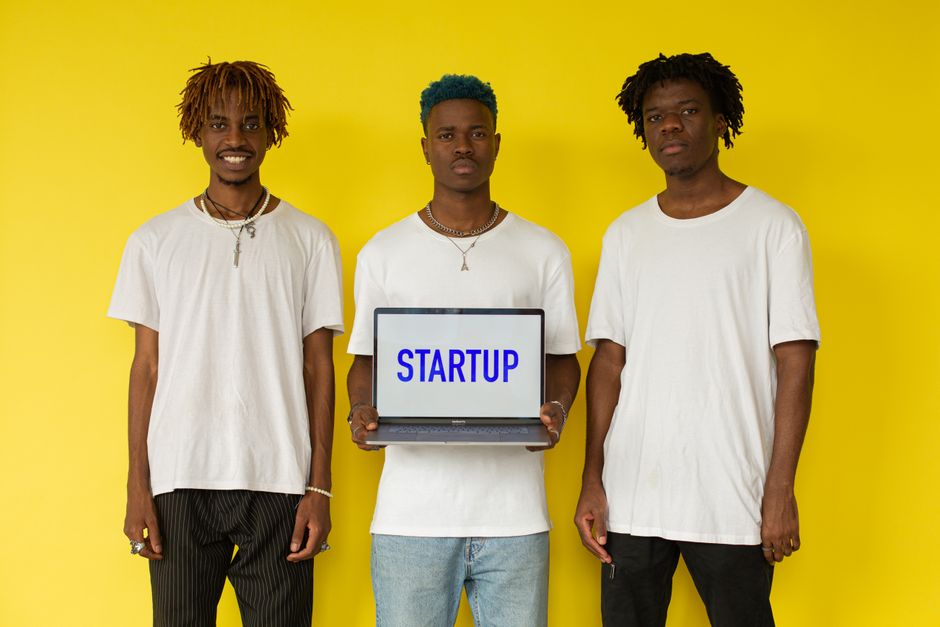
At an eight-week startup camp this summer, more than five hundred people from more than fifty countries joined. Most first-time founders built working products within weeks, but about one in ten made a sale.
Direct contact turned two products into paid offers
A marketing consultant built a small advertising tool for his own use, then showed it to a group of entrepreneurs he met with regularly because he thought it could help them. That put the tool in front of people who might use it, rather than an unspecified audience. Ten entrepreneurs became its first paying customers. The sequence links the product’s original use to a group with a possible need, then to payment: the consultant showed the tool and gained customers from that same group.¹
A language-learning app founder found her first customer through a chain of personal connections: the customer was a math teacher in Italy, a friend of a friend of a friend. The founder met her on a video call, set her up personally and promised to build what she needed. The customer bought an annual plan. In this case, the founder’s first sale followed a direct conversation and hands-on setup, with a commitment to adapt the product to the user’s needs.¹²
A language-learning app founder found her first customer through a chain of personal connections: the customer was a math teacher in Italy, a friend of a friend of a friend.
One founder delivered the service before building a website
A founder working on grief support ran the entire service through Instagram direct messages. She had more than five hundred conversations before building a website. Her sequence puts the service and conversations ahead of the website: people could interact with the offering through messages before a dedicated site existed. The number of conversations shows how much contact came before that build step, though it does not establish how many people paid or became customers.¹²
 News
Nothing OS 5.0 Expands to More Nothing Phones
The update adds a dedicated Glyph app, Essential Apps Builder and new home-screen tools. Rollout timing and eligibility depend on the phone model.
Read More →A founder who used to run a car collision repair shop found that ads, websites and email never closed a sale for him. He closed about ninety per cent of the people who came in, and he was never the cheapest. His experience separates getting someone to arrive from winning the sale: the online channels he used did not close customers, while the people who came in often did. Price alone also did not explain his ability to close those customers.¹

Signups and paying customers are different outcomes
One founder got more than forty signups and no buyers from social media ads. The result draws a clear line between registering interest and paying for a product. Signups gave the founder a count of people who responded to the ads, but that count did not translate into purchases. It is a different outcome from the consultant’s paying customers or the language app’s annual-plan sale, and shows why a signup total alone cannot establish that a product has paying demand.¹
Paid ads also brought the first customers to a founder with a golf swing app. That example shows that advertising can produce customers in at least one case, while the social media ads in the other example produced signups without buyers. The outcomes differ: one founder got customers through paid ads, while another got no buyers from social media ads. The ledger gives no figures for the golf app, so the examples do not establish a conversion rate or let the two campaigns be compared by cost.¹
Slack was created as an internal tool in what used to be a gaming company. That example, like the consultant’s tool built for his own use, ties a product’s origin to a need inside an existing setting. The customer examples show other routes: a founder demonstrated a tool to entrepreneurs, another personally set up a language-app user, and a grief-support founder delivered a service through direct messages. These cases describe different ways products reached users; they do not establish one route as universal.¹²
Sales come from direct contact, not signups
 News
Cyber-Attack Hits Supermarket Refrigeration Across Six Countries
Sabcobel said affected units were switched into defrost mode, while stores in several countries reported rising refrigerator temperatures.
Read More →When you weigh a role or a product idea, put the selling step before the building step. The camp data shows most founders built working products, yet only about one in ten sold anything. The consultant who showed his tool to a group he already met with turned ten of them into paying customers. The language-app founder found her first buyer through a chain of personal connections, not through ads. A founder who ran a collision repair shop closed about ninety per cent of people who came in, while ads, websites and email never closed a sale for him.¹²
That example, like the consultant’s tool built for his own use, ties a product’s origin to a need inside an existing setting.
Treat signups as a separate outcome from revenue. One founder collected more than forty signups from social media ads and got zero buyers, while another founder with a golf swing app got first customers through paid ads. The grief-support founder ran her whole service through Instagram direct messages and had more than five hundred conversations before building a website. For your own pay or hiring decisions, ask whether you are being measured on registrations or on closed sales. If you are in a role where you control the channel, choose direct conversations over broad campaigns, because the ledger shows personal setup and adaptation produced actual purchases.¹²
Sources
Written by Career Ahead AI. AI can make mistakes, so verify key facts. Report errors to support@careeraheadonline.com