No products in the cart.

State-Owned Housing Developer to Tackle UK Crisis

The UK government is considering the establishment of a state-owned housing developer to tackle the affordable housing shortage.

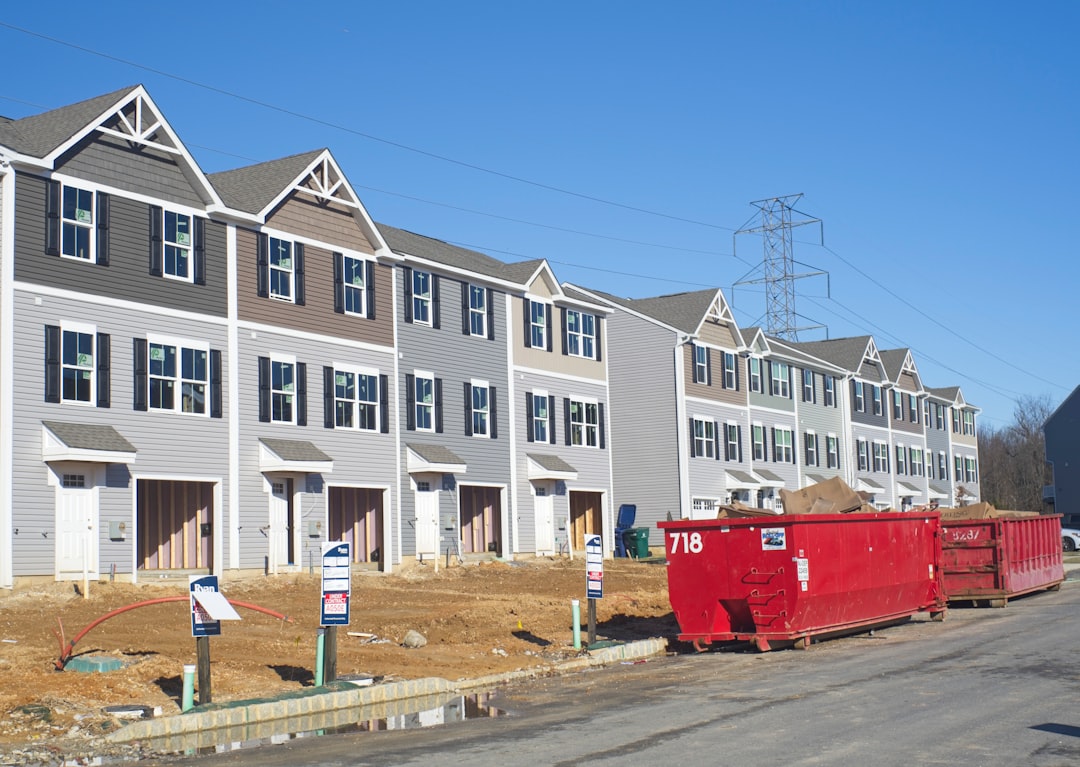
The UK government is exploring plans for a state-owned housing developer, spearheaded by Housing Secretary Steve Reed. This initiative aims to stimulate the housing market by borrowing at lower rates than private developers, amidst growing concerns about slow housebuilding and the ongoing housing crisis.
This proposal is part of a broader strategy to address the shortage of affordable housing in the UK. Recent statistics indicate that builders started work on only 130,170 homes last year, significantly below the target of 1.5 million homes set by Prime Minister Keir Starmer. The government has allocated £39 billion for social and affordable housing over the next decade, but high material costs and inflation continue to hinder progress. A report by The Guardian highlights that the government’s housing targets are increasingly out of reach, necessitating innovative solutions to boost housing supply.
Transforming the Housing Market
The establishment of a state-owned housing developer could significantly alter the UK housing market. By borrowing at lower rates, this entity could offer competitive prices for new homes, potentially lowering costs for both buyers and renters. Increased availability of affordable housing units could address critical needs in many communities. The Guardian emphasizes that the housing crisis impacts not only numbers but also the quality of life for citizens seeking suitable accommodation.
Analysis from Career Ahead suggests that a state-owned developer may foster a new dynamic in the housing market, encouraging closer collaboration between public and private sectors. Rather than taking over construction, the state developer would partner with private companies to deliver housing projects, enhancing efficiency and innovation. This collaboration could lead to the sharing of best practices and resources, prompting private developers to rethink their strategies and pursue more sustainable housing solutions.
Analysis from Career Ahead suggests that a state-owned developer may foster a new dynamic in the housing market, encouraging closer collaboration between public and private sectors.
Moreover, the presence of a state-owned entity could motivate private developers to increase their output. With the state as a competitor, private firms may be driven to enhance their offerings and lower prices, ultimately benefiting consumers with more choices and better-quality housing options. However, concerns remain regarding the impact on existing housing associations and private developers, as some experts warn that a state-owned developer could threaten the financial viability of smaller housing associations already facing funding challenges.
You may also like
 Government & Policy
Transfer EPS Service Records to Close Pension Gaps
When an employee withdraws their EPF balance, they often overlook the importance of transferring their EPS service records. This article explains why this transfer is…
Read More →
Job Creation and Economic Growth
The proposed state-owned housing developer is expected to create numerous jobs in the public sector. As the government invests in new housing projects, there will be a growing demand for skilled labor in construction, engineering, and project management, which could help alleviate unemployment exacerbated by recent economic downturns. The Guardian notes that the construction sector has been one of the hardest hit during economic slowdowns, making this initiative timely for job growth.
Additionally, the initiative could lead to new roles focused on managing public-private partnerships, increasing the demand for professionals skilled in these collaborations. This shift may necessitate a reevaluation of educational programs to prepare the workforce for these emerging roles. Research from Career Ahead indicates that focusing on affordable housing could also stimulate related sectors, such as manufacturing and supply chain logistics, creating further job opportunities as demand for building materials rises.
Furthermore, establishing a state-owned developer may lead to increased investment in infrastructure. New housing developments often require upgrades to local infrastructure, including roads, schools, and public transport, creating a holistic approach to urban development that benefits communities beyond just housing. The BBC has reported that infrastructure improvements are critical to successful housing projects, enhancing livability and accessibility.
The BBC has reported that infrastructure improvements are critical to successful housing projects, enhancing livability and accessibility.
Challenges and Considerations
You may also like
 Government & Policy
Cornell faces a Greek life reckoning
Cornell University reevaluates its Greek life organizations following serious misconduct allegations, igniting a national conversation about accountability and reform.
Read More →While the plans for a state-owned housing developer present exciting opportunities, several challenges must be addressed. The government must ensure that the new entity does not become a financial burden, potentially increasing government debt. Striking the right balance between public investment and private sector involvement will be vital for a sustainable model. Additionally, the political landscape could influence the success of this initiative. With Prime Minister Keir Starmer expected to step down soon, the incoming administration, likely led by Andy Burnham, may have different priorities, affecting the continuity of housing policies.
The timing of this proposal is also crucial. As the housing market faces challenges like high inflation and rising interest rates, the government must act swiftly to implement these plans. Delays could exacerbate the housing crisis, making it harder to meet the growing demand for affordable homes. Ultimately, establishing a state-owned housing developer could represent a significant shift in the UK housing landscape, with implications for housing developers, public policy analysts, and the broader economy unfolding in the coming months.
This initiative raises important questions about the government’s role in the housing market. Will the state-owned developer successfully stimulate the construction of affordable homes? Or will it face resistance from private developers and existing housing associations? The answers to these questions will shape the future of housing in the UK.

Housing developers should enhance their competitive edge through innovation and efficiency, and explore collaborations with the state-owned developer to leverage public funding while maintaining their market presence.
Frequently Asked Questions
What are the implications of a state-owned housing developer for housing developers in the UK?
The establishment of a state-owned housing developer may increase competition in the market, compelling private developers to innovate and lower prices. However, it may also challenge smaller housing associations that struggle to compete with a state-backed entity.
How can public policy analysts assess the effectiveness of state-owned housing initiatives?
Public policy analysts can evaluate these initiatives by monitoring housing supply metrics, affordability trends, and the economic impact on local communities, while also considering public-private sector collaboration.

What should housing developers do to adapt to changes brought by government housing projects?
You may also like
 Government & Policy
Common EPFO Claim Errors to Avoid
Understanding the reasons behind EPF claim rejections is crucial for both employees and HR managers. This article outlines common errors and provides guidance on how…
Read More →Housing developers should enhance their competitive edge through innovation and efficiency, and explore collaborations with the state-owned developer to leverage public funding while maintaining their market presence.