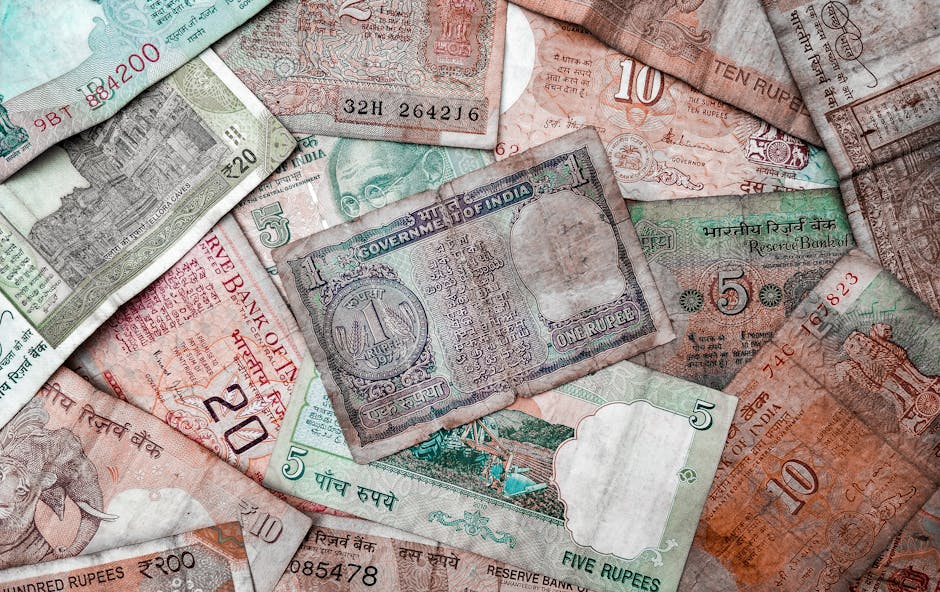
The Indian rupee has fallen 14 paise to close at 94.82 against the U.S. dollar, approaching its all-time low. This decline comes as rising crude oil prices and geopolitical tensions in West Asia weigh heavily on the currency. Forex traders cite these factors as critical in shaping investor sentiment and market stability.
The rupee’s depreciation is significant, especially as it reflects broader economic challenges. Brent crude prices are hovering around $115 per barrel, which is expected to increase India’s import costs sharply. As the nation relies heavily on oil imports, this rise in prices can have a cascading effect on inflation and economic growth.
Oil Prices and Currency Value
Rising oil prices are a major concern for India, which imports over 80% of its crude oil. According to cnbctv18.com, the elevated oil prices contribute to a trade deficit, making it harder for the rupee to maintain its value. This situation leads to increased demand for U.S. dollars, further pressuring the rupee.
The link between oil prices and currency value is well-established. As oil becomes more expensive, the cost of goods and services rises, prompting fears of inflation. The Reserve Bank of India (RBI) may need to intervene to stabilize the currency, but such measures can have their own repercussions on the economy.
Investors are closely monitoring the situation, especially as the U.S. Federal Reserve prepares for a policy decision. Analysts suggest that any shift in interest rates could significantly impact foreign investment flows, either exacerbating or alleviating the rupee’s struggles.
Investors are closely monitoring the situation, especially as the U.S.
Geopolitical Tensions Affecting Investor Confidence
The ongoing geopolitical tensions in West Asia are adding to the uncertainty surrounding the rupee’s value. As conflicts escalate, investor anxiety grows, leading to capital outflows from emerging markets like India. According to thehindu.com, this trend can create a vicious cycle where falling currency values lead to even greater investor withdrawal.
Market analysts note that geopolitical instability often drives investors toward safe-haven currencies, such as the U.S. dollar. This shift can exacerbate the rupee’s decline, as seen in recent trading sessions. The fear of wider conflicts can deter investment in Indian equities, further impacting the currency.
As the situation evolves, the Indian government and RBI are under pressure to reassure investors. Effective communication and transparent policy measures will be crucial in restoring confidence in the market.
 Government & Policy
UK Chancellor Healey Faces Budget Test Amid Economic Pressures
UK growth has beaten forecasts, while inflation and defence costs add pressure to public spending plans.
Read More →
Understanding the Rupee’s Historical Fluctuations
The rupee’s current position is not unprecedented. The currency has faced significant fluctuations in the past, often in response to external economic pressures. Historical data shows that similar patterns emerged during previous oil crises and global financial downturns.
Understanding this historical context is essential for predicting future movements.
For instance, in 2013, the rupee hit a record low of 68.80 against the dollar, driven by similar factors of rising oil prices and global economic uncertainty. The RBI had to intervene to stabilize the situation, which involved raising interest rates and using foreign reserves to support the rupee.
Understanding this historical context is essential for predicting future movements. As the global economy continues to face challenges, the rupee’s trajectory will likely mirror past behaviors unless significant policy changes are implemented.
Implications of a Weakening Currency
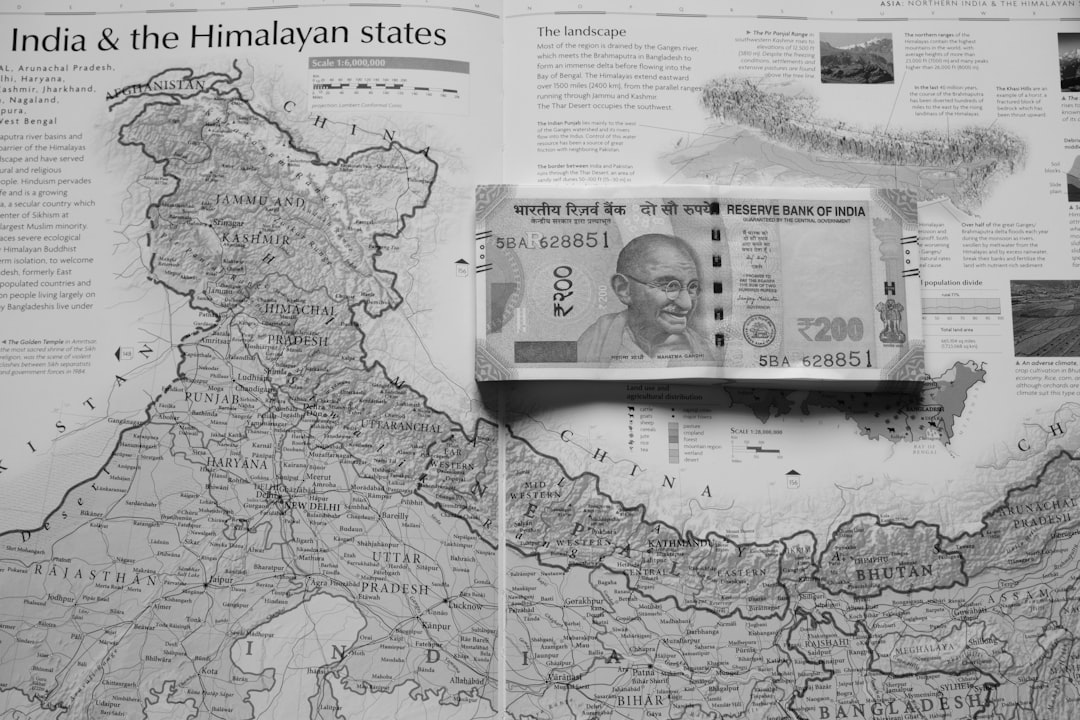
The depreciation of the rupee has far-reaching implications for the Indian economy. A weaker currency can lead to higher import costs, particularly for essential goods like oil and food. This situation can fuel inflation, reducing purchasing power for consumers and increasing the cost of living.
Moreover, businesses that rely on imported raw materials may face squeezed profit margins. As costs rise, companies might pass on these expenses to consumers, further driving inflation. The impact on small and medium enterprises (SMEs) could be particularly severe, as they often lack the financial resilience to absorb such shocks.
Policymakers must act swiftly to mitigate these risks and restore economic stability.
In addition, the current situation may affect India’s trade balance. A deteriorating trade position can weaken the rupee further, creating a cycle of decline that is difficult to break. Policymakers must act swiftly to mitigate these risks and restore economic stability.
 Government & Policy
UK Weighs Mandatory AI Safety Reporting as Microsoft’s Brad Smith Calls for Global Rules
The UK government is examining how serious AI incidents and near misses should be reported, and Microsoft’s Brad Smith has called for global AI safety…
Read More →
Immediate Considerations for the Future
The outlook for the rupee remains uncertain as global factors continue to evolve. Analysts are divided on whether the currency will stabilize or face further declines. The upcoming decisions by the U.S. Federal Reserve will play a crucial role, as interest rate changes can significantly impact capital flows to India.
As the geopolitical landscape shifts, the Indian government will need to navigate these challenges carefully. Maintaining investor confidence will require strong economic policies and proactive measures to address inflation and currency stability.
This situation highlights the interconnectedness of global economies and the delicate balance that must be maintained. As India faces these challenges, the resilience of its economy will be tested.
Written by Career Ahead AI. AI can make mistakes, so verify key facts. Report errors to support@careeraheadonline.com.