No products in the cart.

States Easing Fire Safety Rules to Cut Housing Costs

Some states are relaxing fire safety standards to address the affordable housing crisis, sparking debate over safety vs. cost.

“`html
The New Normal: States Relax fire safety Standards
Many state legislators, developers, and housing advocates across the U.S. are calling for a review of fire safety codes. The need for change is clear: the affordable housing crisis has reached a critical point, and the costs of complying with old fire protection rules—like sprinklers and fire-rated stairwells—are affecting project viability.
A recent New York Times investigation revealed that states like California, Florida, and Texas are starting to allow waivers for single-staircase apartment buildings. This lets developers skip expensive sprinkler systems in shorter structures. Officials argue that these savings can help lower rents or increase the number of affordable units.
According to the report, 73 percent of builders plan to reduce construction costs by relaxing fire safety requirements. For developers, even small savings on a $200 million project can lead to significant reductions in rent. This policy change is already in effect for several mid-sized multifamily projects set to finish in 2027, with developers predicting rent cuts of 5-10 percent.
However, critics warn that this new approach may compromise safety. Fire safety codes were established after deadly high-rise fires in the 1970s and 1980s, and they have halved fire-related deaths over the last 40 years. The debate now centers on whether the financial relief from relaxed codes outweighs the increased risk to residents.
Affordable Housing or Safety Compromise? The Dilemma
The core issue is a classic trade-off: making housing affordable versus ensuring safety. The New York Times cites a National Fire Protection Association (NFPA) analysis showing that fire safety regulations can add up to 20 percent to construction costs. This figure varies by building type and location but highlights the financial burden.
According to the report, 73 percent of builders plan to reduce construction costs by relaxing fire safety requirements.
Supporters of deregulation argue that the slight increase in fire risk is manageable, especially in low-rise buildings where evacuation is quicker. They reference NFPA data indicating that sprinklers reduce fire-related deaths by about 30 percent in buildings under five stories. However, they believe this benefit does not justify a 20 percent cost increase when affordable housing is scarce.
Opponents argue that lowering safety standards could weaken protections in taller buildings. They stress that a single major fire in a relaxed-code complex could negate the rent savings across many units. Additionally, insurance premiums tied to fire code compliance could rise for developers who skip sprinkler installations, undermining the intended cost savings.

You may also like
 Government & Policy
MSMEs Demand Action on Rising Steel and Metal Prices
Rising material costs have been a persistent issue for MSMEs, which are already grappling with higher prices for diesel, furnace oil, and LPG.
Read More →Economic models suggest that the benefits of strict fire safety may outweigh the immediate savings from deregulation when considering lives lost, injuries, and property damage. Yet, policymakers face a tough choice: the current shortage of affordable units pushes them to prioritize short-term relief for renters over long-term safety.
Implications for Job Seekers in the Construction and Real Estate Sectors
This regulatory shift will likely change the job market for construction workers, engineers, and real estate professionals. Developers focusing on cost-cutting may reduce demand for specialists in fire protection systems, such as sprinkler installers and code compliance engineers.
Implications for Job Seekers in the Construction and Real Estate Sectors This regulatory shift will likely change the job market for construction workers, engineers, and real estate professionals.
On the other hand, the rise in affordable housing projects could create new job opportunities in other areas. The New York Times report highlights a growing focus on sustainable building techniques that compensate for reduced fire safety with energy-efficient measures like high-performance insulation and modular construction. Workers skilled in prefabricated panel assembly and green certification processes will likely be in higher demand.
Real estate agents and property managers must also adapt. As more lower-cost units become available, they will serve a market with tighter budgets. This shift requires a better understanding of tenant assistance programs and rent control laws—topics that were previously less relevant for many agents.
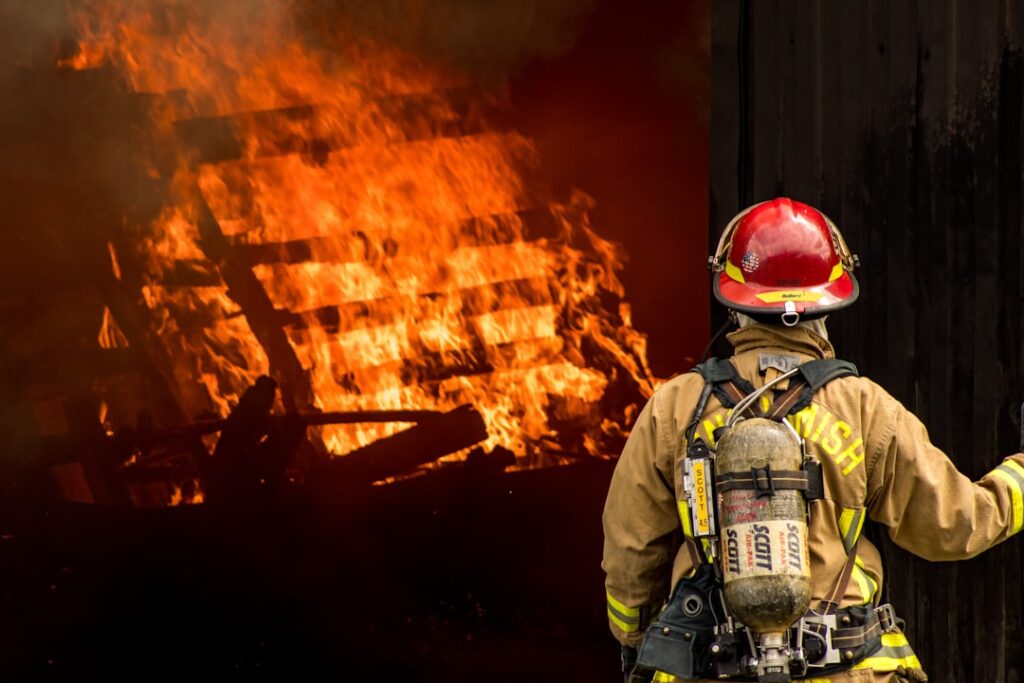
For job seekers, versatility will be crucial. Professionals who can combine cost-effective construction with safety awareness—like integrating fire risk assessments into energy efficiency audits—will stand out. Training programs that merge traditional fire protection with green building certifications are emerging in community colleges, indicating a shift toward interdisciplinary skills.

Professionals who can combine cost-effective construction with safety awareness—like integrating fire risk assessments into energy efficiency audits—will stand out.
You may also like
 Government & Policy
SEBI Alerts Investors on Anonymous Tips, Finfluencers
Project Jagrook aims to combat the influence of anonymous financial advisors and so-called "finfluencers," who often provide misleading advice to unsuspecting retail investors.
Read More →Labor unions are also concerned that lowering fire safety standards could lead to worse wages and working conditions. Negotiations are ongoing in several states to ensure worker safety on sites where fire protection measures are reduced, so cost savings do not compromise safety protocols.
As states navigate the balance between affordability and safety, future housing policies will likely involve targeted waivers and hybrid safety models. The challenge will be to create an affordable housing ecosystem that protects the lives of its residents. The outcome will influence not only urban landscapes but also the careers of those who build and manage these homes.
“`