No products in the cart.

Understanding the Impact of Anti-CRT and Anti-DEI Legislation

Explore the rise of anti-CRT and anti-DEI laws in the U.S. and their effects on education and workforce diversity.

“`html
The Rise of Anti‑CRT and Anti‑DEI Legislation: A Historical Context
In just three years, the U.S. has seen a wave of bills targeting Critical Race Theory (CRT) and Diversity, Equity, and Inclusion (DEI) programs. According to the Brookings Institution, anti‑CRT bills in state legislatures have increased by about 300 % since 2020. This trend spans across many states; by early 2026, over half of the fifty states have either enacted or are discussing measures that restrict teaching race-related concepts, limit DEI language in public contracts, or ban equity-focused hiring metrics.
Alongside the anti‑CRT movement, the Center for American Progress reports a rise in anti‑DEI laws affecting the private sector. These laws include bans on mandatory bias training and restrictions on diversity goals for federal contractors. While counts of anti‑DEI bills vary, the trend shows a clear effort to roll back institutional mechanisms that have become essential in education and corporate governance over the past decade.
This legislative push stems from a cultural narrative that views CRT and DEI as ideological threats rather than useful tools. Politicians and advocacy groups frame the debate in stark moral terms, presenting these policies as either vital to “American values” or as attempts to indoctrinate. This creates a divided policy environment where the language of equity becomes a point of conflict.
The Consequences for Educational Institutions and Workforce Diversity
The shift from rhetoric to regulation has immediate effects on institutions. Brookings’ analysis of school districts with anti‑CRT laws shows two troubling trends: a decline in student enrollment and a significant drop in academic performance indicators, such as standardized test scores and graduation rates. Administrators cite “parental concerns” and “curricular uncertainty” for enrollment declines, while teachers report a chilling effect on classroom discussions, limiting historical and sociological inquiry.
The Consequences for Educational Institutions and Workforce Diversity The shift from rhetoric to regulation has immediate effects on institutions.
In the corporate world, the American Progress study links anti‑DEI legislation to a slowdown in diversity initiatives. Companies that previously saw gains in underrepresented hiring experienced stagnation or reversals after state-level bans on diversity reporting. In states with the strictest anti‑DEI laws, the percentage of Black, Hispanic, and Native American employees in middle management fell by an average of 2.5 percentage points from 2023 to 2025.
You may also like
 Government & Policy
Transfer EPS Service Records to Close Pension Gaps
When an employee withdraws their EPF balance, they often overlook the importance of transferring their EPS service records. This article explains why this transfer is…
Read More →Beyond the numbers, the human impact is significant. Educators advocating for inclusive curricula face compliance reviews that threaten their job security. Employees who relied on affinity groups for support now find such structures labeled “non‑essential” or banned. This attrition, especially among early-career professionals from marginalized backgrounds, risks undermining the talent pipeline essential for innovation and leadership in academia and industry.
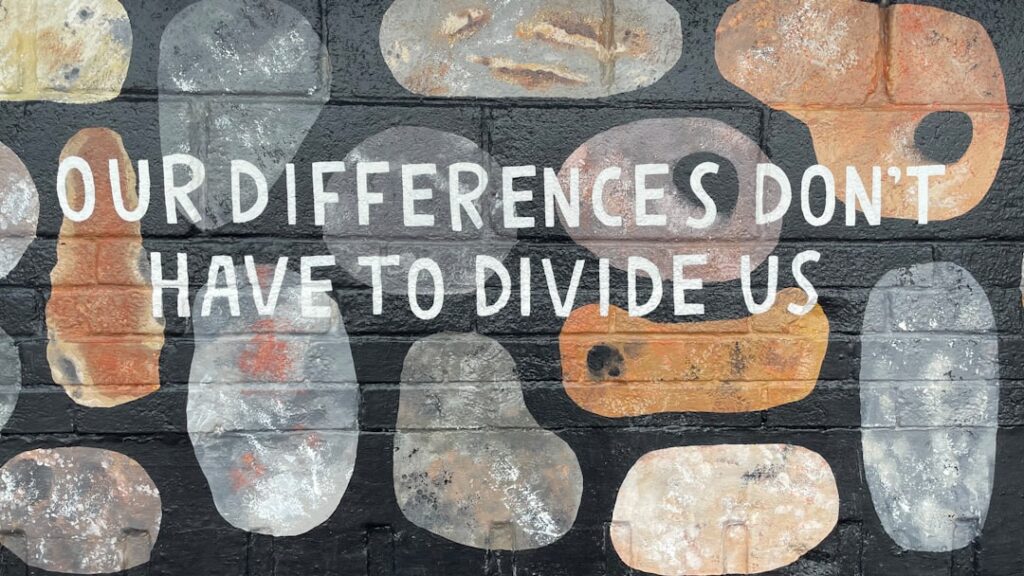
These outcomes are part of a larger systemic issue. Declining enrollment reduces tuition revenue, leading institutions to cut programs already under scrutiny. Similarly, reduced workforce diversity can weaken a company’s cultural competency, hindering its ability to serve a diverse consumer base. The long-term financial implications are still unfolding, hinting at hidden costs that go beyond the immediate political gains of anti‑CRT and anti‑DEI advocates.
Navigating the Future: Strategies for Resilience in a Changing Landscape
In response to a hostile policy environment, institutions are adopting strategies to maintain core equity goals while staying legally compliant. Here are three approaches gaining traction among progressive schools and companies.
1. Embedding Equity in Core Mission Statements
Some universities are integrating equity language into their mission statements and accreditation documents. By making inclusion a key part of academic excellence, these institutions create a legal shield against external mandates. For example, a group of public universities in the Midwest revised their mission to emphasize “diverse perspectives as essential to scholarly inquiry,” avoiding explicit references to CRT while protecting curricular freedom.
Navigating the Future: Strategies for Resilience in a Changing Landscape In response to a hostile policy environment, institutions are adopting strategies to maintain core equity goals while staying legally compliant.
2. Leveraging Data‑Driven, Outcome‑Focused Metrics
Companies are moving from mandatory DEI training to data analytics that show business impact. Instead of requiring “bias training,” firms are investing in studies that link diverse teams to measurable outcomes like innovation rates and employee retention. By presenting equity as a performance driver, organizations can navigate legislative bans while enjoying the benefits of inclusive practices.
You may also like
 Government & Policy
Cornell faces a Greek life reckoning
Cornell University reevaluates its Greek life organizations following serious misconduct allegations, igniting a national conversation about accountability and reform.
Read More →
3. Cultivating Community Partnerships Outside the Public Sphere
Educational institutions and corporations are partnering with private foundations, nonprofits, and industry groups to support equity initiatives. These collaborations operate outside state legislation, allowing for ongoing mentorship programs, scholarship pipelines, and community projects. In Texas, a coalition of tech firms and community colleges launched an apprenticeship program that bypasses state DEI restrictions by framing it as “workforce development” funded through private grants.
While these strategies show creativity, they are not foolproof. The political landscape remains unstable, and the risk of retroactive enforcement is high. Nevertheless, these adaptations reflect a resilient spirit that refuses to equate legal limitations with moral defeat.
The Long‑Term View: A Future for Diversity and Inclusion
History shows that attempts to suppress ideas often make them stronger. The current wave of anti‑CRT and anti‑DEI legislation may ultimately inspire a renewed movement for equity. As institutions refine their strategies—embedding inclusion in missions, demonstrating its economic value, and forming private partnerships—the narrative shifts from prohibition to innovation.
Educators must find ways to maintain critical inquiry without triggering legislative backlash.
Educators must find ways to maintain critical inquiry without triggering legislative backlash. Corporate leaders need to show that diverse talent is a strategic priority that can thrive even under restrictive conditions. The stakes are high, but the potential for adaptation is clear.
You may also like
 Government & Policy
Common EPFO Claim Errors to Avoid
Understanding the reasons behind EPF claim rejections is crucial for both employees and HR managers. This article outlines common errors and provides guidance on how…
Read More →<img width="1024" height="576" src="https://careeraheadonline.com/wp-content/uploads/2026/03/FFbz6BIRCV0-1024×576.jpg" class="oaa-inline-image" alt="" style="display:block; margin:20px auto; max-width:100%; height:auto; border-radius:8px;" decoding="async" srcset="https://careeraheadonline.com/wp-content/uploads/2026/03/FFbz6BIRCV0-1024×576.jpg 1024w, https://careeraheadonline.com/wp-content/uploads/2026/03/FFbz6BIRCV0-300×169.jpg 300w, https://careeraheadonline.com/wp-content/uploads/2026/03/FFbz6BIRCV0-768×432.jpg 768w, https://careeraheadonline.com/wp-content/uploads/2026/03/FFbz6BIRCV0-750×422.jpg 750w, https://careeraheadonline.com/wp-content/uploads/2026/03/FFbz6BIRCV0-600×338.jpg 600w, https