No products in the cart.

Stock Market Rallies on Trump’s De-escalation; Rupee Nears 94/$
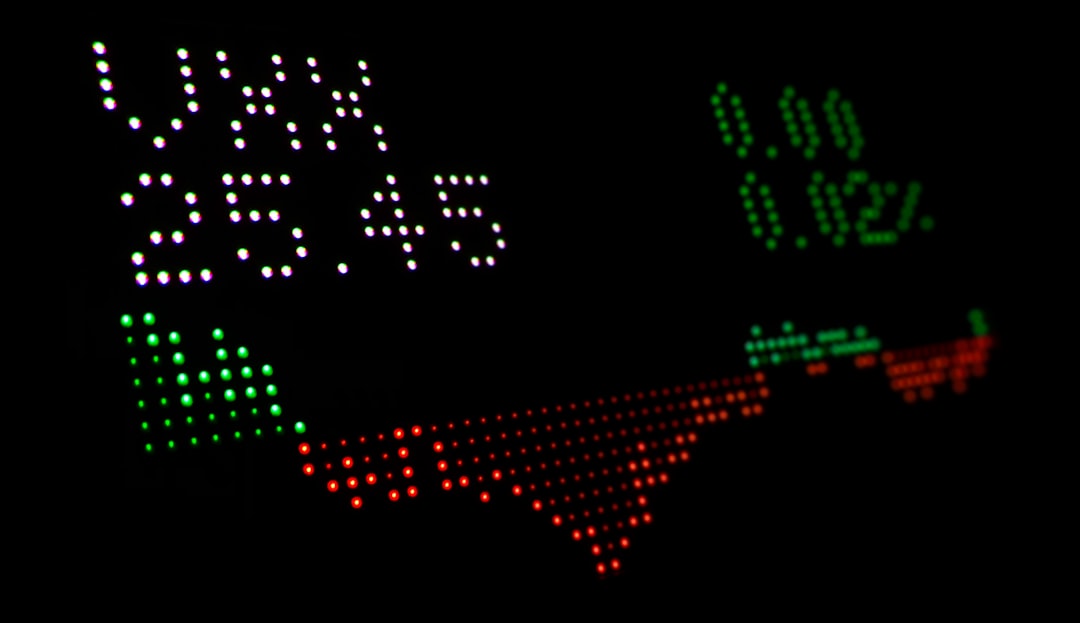
U.S. markets react positively to Trump's Iran talks, boosting Indian equities. However, the rupee remains close to 94/$, signaling ongoing caution among investors.

Global markets React to Trump’s De-escalation
president Donald Trump posted on Truth Social that talks with Iran had been “very good and productive.” He also announced that a planned five-day strike on Iranian power plants was being postponed.
This news shift sentiment across continents. In the United States, equity futures climbed, while Brent crude slid below $83 a barrel, a drop of roughly 3% that erased much of the oil-driven sell-off that had built over the previous week.
Indian Exchanges React to Trump’s Statement
By early Tuesday morning, the relief was evident on the Indian exchanges. The BSE Sensex opened up 2.1%—about 1,500 points—while the NSE Nifty rose 1.6% at the start of trade.
The rally, however, proved fragile; as crude prices trimmed their loss later in the session, the indices surrendered more than half of their early gains.
Sensex Jumps 1,500 Points Amidst Ongoing Tensions
At 09:02 IST the Sensex surged to a 2.1% gap-up, driven by broad-based buying across sectors. Forty-five of the fifty Nifty-100 constituents were in the green, with health-care and banking leading the charge.
Apollo Hospitals posted a 3% gain, while Kotak Mahindra Bank added 2.7%.
Sensex Jumps 1,500 Points Amidst Ongoing Tensions At 09:02 IST the Sensex surged to a 2.1% gap-up, driven by broad-based buying across sectors.
Rupee Remains Close to 94/$ Despite Market Rebound
The currency market told a more cautious story. After touching a record intraday low of 93.97₹ per dollar on Monday, the rupee opened Tuesday near 93.6₹, still hovering just under the psychologically significant 94-level.
Traders noted a surge in NDF open interest—up 18% since the previous Friday—signalling heightened hedging activity.
Investors Remain Cautious Amidst Uncertainty
The optimism sparked by Trump’s statement was tempered by a Wall Street Journal report that Gulf allies were “inching toward joining the fight” after repeated attacks on shipping in the Strait of Hormuz.
You may also like
 Business
MPs to Question Vodafone on Treatment of Franchise Owners
Vodafone is under scrutiny from UK MPs over claims of unfair treatment of franchise owners. This controversy raises significant questions about franchise agreements and corporate…
Read More →The report reignited concerns about oil supply disruptions, prompting a modest rebound in Brent prices later in the day.

Foreign institutional investors continued to net-sell Indian equities, offloading about ₹2,800 crore on Monday—a four-session streak. On Tuesday the net outflow narrowed to roughly ₹480 crore as algorithmic buying stepped in, but the underlying sell pressure remained evident.
The Road Ahead: Implications of Trump’s De-escalation
A five-day delay in U.S. strikes reduces immediate geopolitical risk premiums, allowing investors to re-price oil-linked exposures. Yet the underlying uncertainty about whether the cease-fire will hold remains high, especially as Gulf states signal a willingness to intervene.
For India, the rupee’s proximity to 94₹/USD matters more than a short-term equity rally. A sustained move to 98₹ would push the nation’s oil import bill above $140 billion annually, eroding the fiscal buffer set at $131 billion.
Equity risk premiums on the Nifty sit at roughly 4.1%, still below the 10-year government yield of 7.09%. Any resurgence in oil prices could compress corporate earnings, especially for energy-intensive sectors, and narrow that valuation cushion.
Foreign institutional investors continued to net-sell Indian equities, offloading about ₹2,800 crore on Monday—a four-session streak.
Expert Insights: What the Market Rebound Means for Investors
Historical data from Credit Suisse shows that for every 10% rise in Brent, Nifty earnings per share tend to decline by about 3%. When Brent stays under $90, domestic cyclicals—banks, consumer staples, and health-care—have outperformed energy-heavy indices by 5–7% on a quarterly basis.
You may also like
 Artificial Intelligence
Elon Musk’s AI Warning: Preparing for Future Challenges
Elon Musk's latest comments on AI's impact highlight potential challenges for project management and the workforce.
Read More →The three-month NDF forward premium has risen to 3.9% from 3.2% in February, still below the 4.8% ten-year average. Corporates with un-hedged import bills should lock in rates now, anticipating tighter RBI policy if oil prices climb again.

The weekly Nifty 17,100 put at a ₹55 strike offers a 1:4 payoff if the index retests that level—a cheap hedge against a sudden reversal. Implied volatility is steeper on the one-week curve (24%) than the one-month (18%), suggesting a tactical play: sell short-dated volatility while buying longer-dated exposure.
Looking ahead, the market will watch two key catalysts: a possible U.S. State Department statement on the Middle-East conflict later this week, and the expiration of the five-day strike pause on Sunday. Any incident in the Strait of Hormuz could push Brent back above $90, nudging the rupee toward 95-96₹ and reviving risk-off sentiment.
For now, the rally serves as a reminder that geopolitical headlines can move markets in minutes, but the underlying fundamentals—oil supply dynamics, currency resilience, and investor risk appetite—remain the longer-term drivers of Indian asset prices.