No products in the cart.

Stocks slump 2%, rupee breaches: What It Means Now

Market Turmoil as Investors Seek Shelter Amid Foreign Outflows Understanding the Market's Sudden Drop On March 28, 2026, Indian stock markets witnessed a.


Market Turmoil as Investors Seek Shelter Amid Foreign Outflows
Understanding the Market’s Sudden Drop
On March 28, 2026, Indian stock markets witnessed a seismic shift. The benchmark Nifty and Sensex indices plummeted by 2% amid escalating geopolitical tensions in West Asia and rising energy prices. This decline follows a brief two-day rally earlier in the week. It underscores the precarious nature of investor confidence in the current climate. According to a report by a leading financial news website, the market’s sharp downturn has been exacerbated by the growing uncertainty surrounding the conflict. Investors are increasingly seeking safer havens. As a prominent market analyst noted, “The market’s sensitivity to global events has never been more pronounced. Investors must be prepared to adapt to an increasingly volatile landscape.”
What Breaching 94/$ Means for India
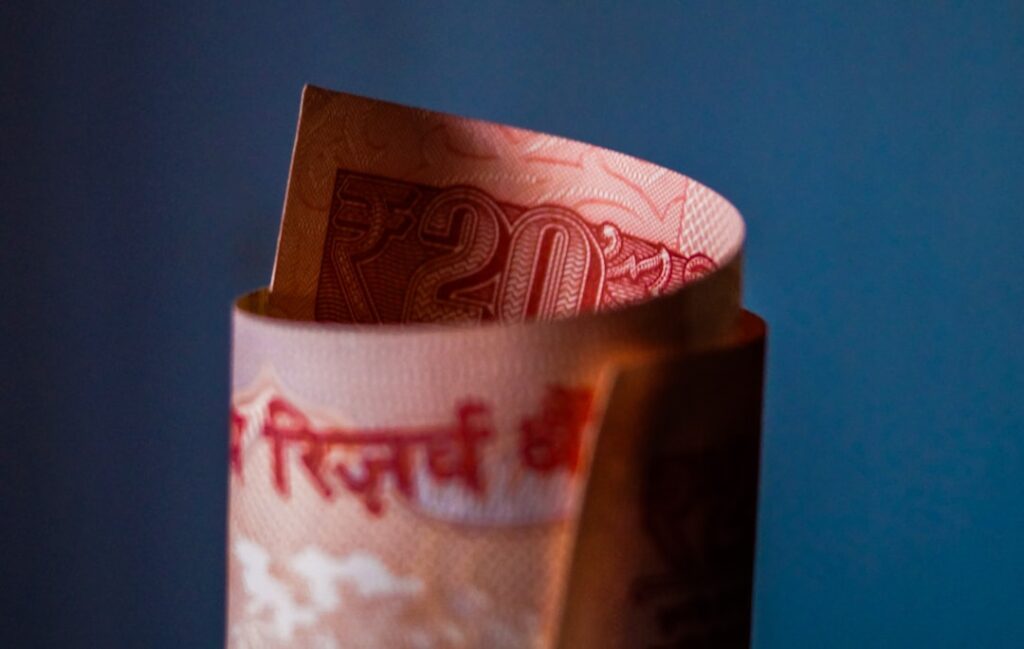
The Indian rupee’s precipitous fall to a record low against the dollar has significant implications for the country’s economy. This decline marks a substantial depreciation since the onset of conflict involving major global powers. It is largely attributed to significant foreign portfolio investor outflows, totaling a historic amount in March alone. As a senior economist observed, “The weakening rupee will exacerbate inflationary pressures. This makes it challenging for the Reserve Bank of India to maintain its current monetary policy stance.” With projections indicating a potential increase in inflation forecasts, the rupee’s decline may have far-reaching consequences for India’s economic growth and stability.
Goldman Sachs Sounds the Alarm: Downgrades and Growth Cuts
In a stark warning, a leading investment bank downgraded Indian stocks from ‘overweight’ to ‘marketweight’. It slashed its 12-month Nifty target significantly to 25,900. The investment bank has also revised its GDP growth forecast for India downward. This is due to a material reduction in earnings growth projections over the next two years. As a market expert noted, “The downgrades reflect broader concerns regarding the impact of geopolitical instability on India’s economic outlook. This is particularly true in cyclical sectors expected to be hit hardest.” The bank’s revised forecasts also underscore the need for investors to reassess their risk tolerance. They should adjust their investment strategies accordingly.
Goldman Sachs Sounds the Alarm: Downgrades and Growth Cuts In a stark warning, a leading investment bank downgraded Indian stocks from ‘overweight’ to ‘marketweight’.
The Impact of Global Tensions on Local Markets
You may also like
 Career Guidance
Textile Engineer Transitions to Pilot Career
Smit Machchhar, a pilot with over 13 years of experience, shifted from textile engineering to aviation after discovering his passion for flying at 19.
Read More →The ongoing conflict in West Asia has triggered a rush of foreign investors seeking safer havens. This has led to unprecedented sell-offs in Indian equities. With substantial net sales in Indian shares this March, investors are increasingly wary of the Indian market’s resilience amid external shocks. As a financial analyst observed, “The market’s fear gauge has surged. This indicates heightened uncertainty among investors. It is essential for investors to remain vigilant and adapt to the changing market landscape.” The exodus of foreign investors also raises concerns about the potential for a liquidity crisis. This could further exacerbate the market’s downturn.
Strategies for Investors in Uncertain Times
As market conditions deteriorate, investors are advised to adopt a cautious approach. They should focus on sectors less vulnerable to external shocks, such as consumer staples and healthcare. Experts recommend diversifying portfolios to include assets that traditionally perform well during periods of market turmoil, such as gold and other safe-haven assets. As a seasoned investment advisor noted, “Investors should closely monitor company earnings reports and macroeconomic indicators to gauge potential recovery signals. They should be prepared to rebalance their portfolios as the market landscape evolves.” By taking a proactive and informed approach, investors can navigate the current market turmoil and position themselves for potential long-term growth.


According to a report by a leading business website, the current market situation has significant implications for investors. It is essential to stay informed and up-to-date on the latest developments. By leveraging insights from prominent market analysts and economists, investors can make more informed decisions and mitigate potential risks. As the market continues to evolve, it is crucial for investors to remain adaptable and responsive to changing market conditions. They should prioritize a long-term perspective in their investment strategies.