Career pivots have moved from crisis coping to deliberate talent strategy, driven by remote work, gig growth, and shifting skill demands. Data shows a majority of workers consider change, while well‑planned transitions achieve high success rates.
The surge in flexible work arrangements and the acceleration of digital transformation have reconfigured institutional power over career pathways, making skill portability a decisive form of career capital. This article dissects the systemic mechanisms that convert individual pivots into broader economic mobility, applying a structural lens to leadership and institutional dynamics.
Structural shift in talent ecosystems
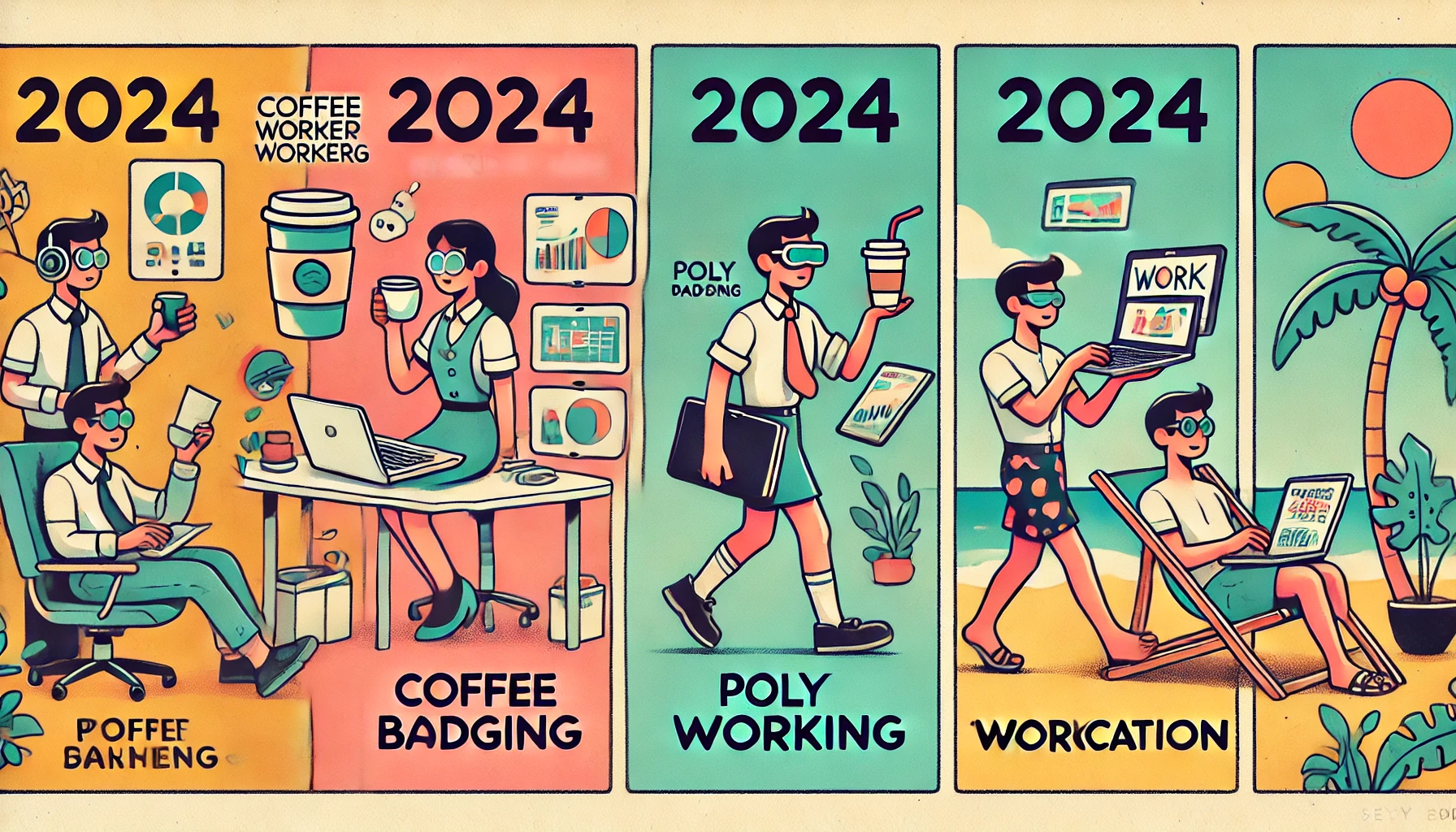
Institutional realignment of talent ecosystems now prioritizes portable skill sets over static job titles. According to Career Ahead’s analysis of LinkedIn’s 2026 workforce survey, the 64% share of employees contemplating a career change reflects a systemic pressure on traditional employment contracts. Simultaneously, 56% of firms have adopted remote or hybrid models, eroding geographic constraints and expanding the pool of viable roles. This convergence of flexibility and intent creates a feedback loop: as more workers signal willingness to pivot, organizations recalibrate talent pipelines to emphasize cross‑functional competencies. The result is a rebalancing of institutional power, where employers must compete for adaptable talent rather than merely filling vacant positions.
Alignment of values and transferable assets
Strategic career pivots reshape talent mobility
Successful pivots hinge on congruence between personal values and market demand, a dynamic captured by mba.com’s finding that 80% of transitions succeed when values align. Identifying transferable skills—estimated at 70% of one’s existing toolkit across industries—allows candidates to map current expertise onto emerging roles without starting from zero. Moreover, Kompiq reports that 90% of employers prize continuous learning, reinforcing the importance of a growth mindset. Practically, this means constructing a skill inventory, cross‑referencing it with emerging occupational clusters (e.g., data‑driven product management, renewable‑energy project coordination), and pursuing targeted micro‑credentials. By anchoring the pivot in both intrinsic motivation and demonstrable, market‑relevant abilities, individuals convert personal capital into institutional leverage, reducing friction in the transition process.
Economic mobility and institutional power rebalanced
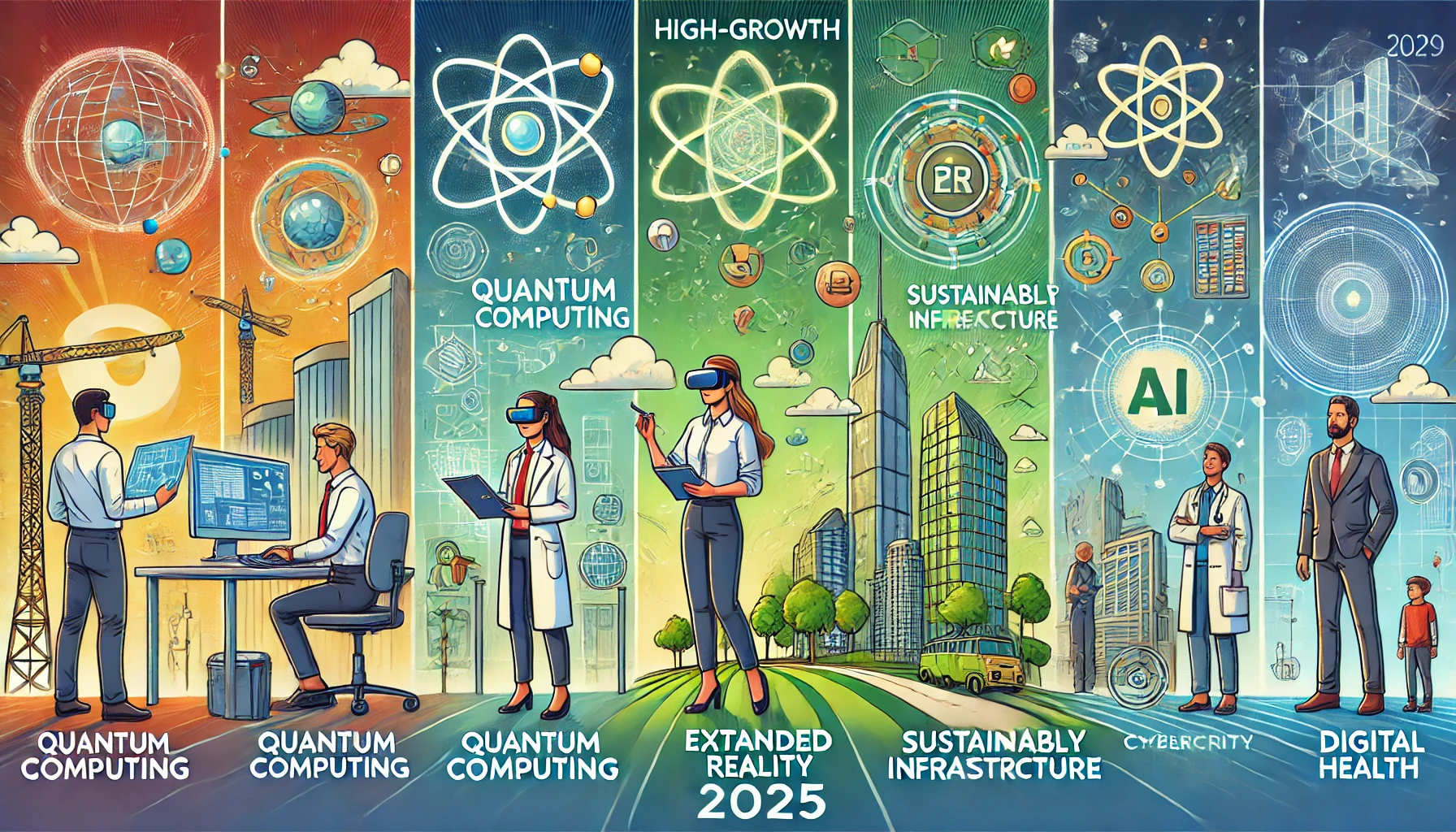
When individuals execute value‑aligned pivots, the macro‑economic impact extends beyond personal advancement. A measurable share of these moves fuels sectoral talent redistribution, accelerating innovation in high‑growth fields such as AI services and sustainable infrastructure. This diffusion of human capital dilutes legacy hierarchies that once concentrated expertise within a narrow set of firms, thereby democratizing access to leadership pipelines. Concurrently, firms that embed flexible career pathways experience higher retention and productivity, reinforcing a virtuous cycle where institutional policies shape, and are shaped by, the prevalence of pivots. The systemic ripple thus reconfigures economic mobility: upward movement becomes less dependent on tenure and more on the strategic deployment of portable competencies.
Employees benefit from structured internal academies that translate transferable skill assessments into curated learning tracks, while managers must champion cross‑functional projects that surface hidden talent.
Career Ahead’s framework for stakeholder adaptation identifies three levers: reskilling pathways, flexible work policies, and leadership endorsement of mobility. Employees benefit from structured internal academies that translate transferable skill assessments into curated learning tracks, while managers must champion cross‑functional projects that surface hidden talent. At the organizational level, remote‑first policies lower relocation costs, enabling talent to flow toward emerging hubs without geographic penalty.
Together, these levers align incentives across the ecosystem, ensuring that the surge in pivots translates into sustainable competitive advantage.
Projected trajectory of pivot dynamics
Over the next three to five years, the prevalence of strategic pivots is likely to outpace traditional hiring cycles, driven by continuous skill obsolescence and the expansion of platform‑mediated gig work. Forecasts from the World Economic Forum suggest that by 2030, a measurable share of the global workforce will engage in at least one formal career transition, pressuring educational institutions to embed lifelong learning into credentialing. Companies that preemptively redesign talent architectures—integrating AI‑driven skill mapping and modular career ladders—will capture higher-quality talent pools and mitigate the costs of turnover. Conversely, organizations that cling to rigid role definitions risk talent attrition and diminished innovation capacity. The trajectory points toward a labor market where agility, rather than seniority, becomes the primary determinant of career progression.
The analysis underscores how the confluence of remote work, value‑aligned skill mapping, and institutional flexibility is reshaping economic mobility, positioning career pivots as a central lever for both individuals and organizations.
The analysis underscores how the confluence of remote work, value‑aligned skill mapping, and institutional flexibility is reshaping economic mobility, positioning career pivots as a central lever for both individuals and organizations.
[Insight 1]: Portable skill sets now dominate talent ecosystems, making value‑aligned pivots a primary mechanism for economic mobility.
[Insight 2]: Institutional power is rebalancing as firms adopt flexible policies and leadership endorsement, turning pivots into strategic assets.
[Insight 3]: Over the next three to five years, the frequency of deliberate career transitions will exceed traditional hiring, compelling organizations to embed lifelong learning and AI‑driven skill mapping.
Embracing Transferable Skills: By recognizing and highlighting transferable skills, professionals can successfully pivot into new roles, industries, or sectors, leveraging their existing expertise to drive career growth and adaptability.
Embracing Transferable Skills: By recognizing and highlighting transferable skills, professionals can successfully pivot into new roles, industries, or sectors, leveraging their existing expertise to drive career growth and adaptability.
Navigating Industry Shifts: Career pivots often involve navigating industry shifts, requiring professionals to stay informed about emerging trends, technologies, and market demands, and be willing to upskill or reskill to remain competitive and relevant.
Written by Career Ahead AI. AI can make mistakes, so verify key facts. Report errors to support@careeraheadonline.com.
Career Ahead AI is Career Ahead Magazine's in-house AI newsroom, reporting on careers, education, jobs and business. It produces original summaries and analysis drawn from publicly available sources, with those sources credited, and operates under the editorial oversight of the Career Ahead team. AI can make mistakes, so please tell us when something looks wrong. Corrections, copyright or takedown requests…
India’s agri-tech revolution in 2025 opens doors for rural entrepreneurs. Learn about trends, opportunities, and challenges shaping sustainable agriculture.
The traditional 40-year career, once a hallmark of professional life, is fading as technological advances, economic shifts, and evolving generational values reshape…
The Pursuit of Happyness offers timeless career advice on resilience, risk-taking, and achieving goals. Learn actionable tips from Chris Gardner’s inspiring story…




Future Skills & Work

Future Skills & Work