As competition for college placements intensifies, many students feel pressured to enroll in expensive coaching programs. Reports indicate that families are spending up to 50% of their annual income on these services, which promise better chances of admission into prestigious institutions. This trend has sparked a debate about educational equity in India.
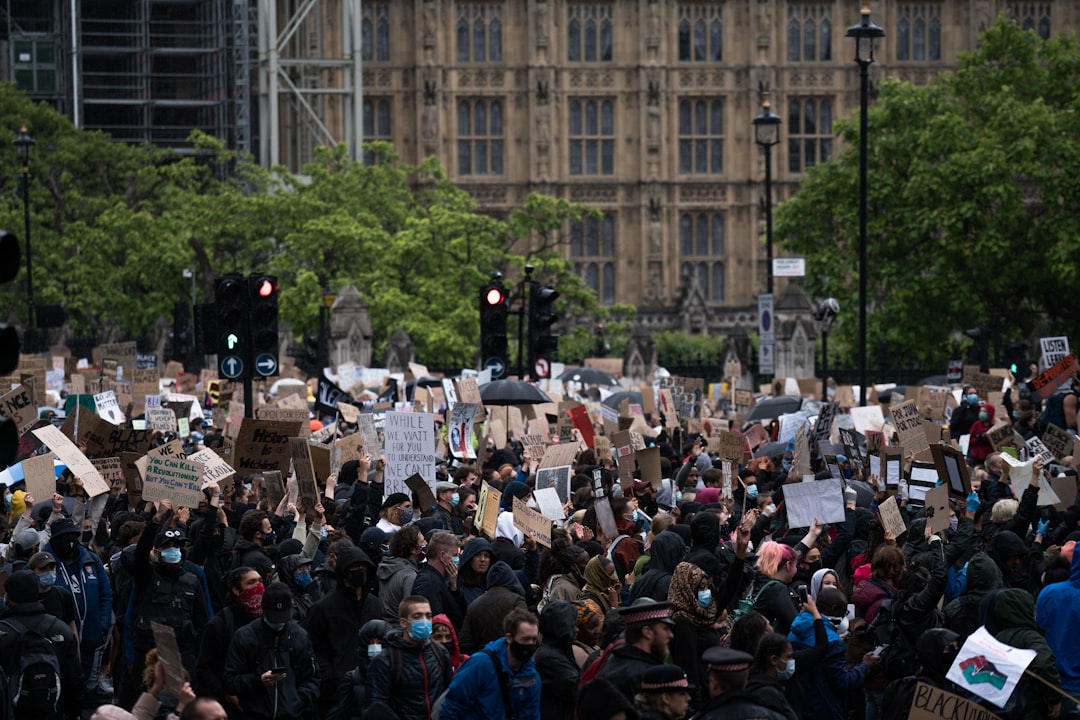
India’s recent student protests have highlighted the rising costs of private coaching for college admissions. Thousands of students have taken to the streets, expressing their frustration over the financial burden these coaching institutes impose on families. The protests began in late July 2026, reflecting concerns about educational equity in a country where quality education often depends on financial resources.
As competition for college placements grows, many students feel pressured to join costly coaching programs. Reports indicate that families spend up to 50% of their annual income on these services, which promise better chances of admission to prestigious colleges. This trend has sparked debate about whether such financial demands are sustainable and what they mean for students’ futures. A Bloomberg report states that high coaching costs are a significant barrier for many aspiring students, leading to desperation among those who cannot afford these fees.
Financial Strain of Private Coaching
The private coaching industry in India has expanded rapidly over the past decade. According to Career Ahead’s analysis, the average cost of coaching for entrance exams like the JEE and NEET has increased by over 40% in the last five years. Families now face tuition fees ranging from ₹1 lakh to ₹3 lakh per year, depending on the institute and location. This rise in fees affects not only the middle class but also low-income families, who often struggle to balance basic needs and their children’s educational goals.
Moreover, the financial strain extends beyond tuition. Additional costs such as study materials, transportation, and accommodation for out-of-town students contribute to the total expenses. A World Bank report highlights that low-income families are hit hardest, often forced to choose between essential needs and educational aspirations. Many coaching institutes operate with little oversight, allowing them to charge high fees without guaranteeing results. This lack of regulation has led to widespread dissatisfaction among students and parents, who feel exploited in a system that prioritizes profit over education.
A World Bank report highlights that low-income families are hit hardest, often forced to choose between essential needs and educational aspirations.
The protests have been fueled by a combination of factors, including dissatisfaction with the quality of education, inadequate resources, and a perceived lack of support…
These rising costs have increased reliance on private coaching, raising concerns about the quality of public education. Many students and parents believe that without private coaching, their chances of success in competitive exams are greatly diminished. This belief is reinforced by the growing number of students who achieve high ranks through coaching, perpetuating the cycle. The New York Times reported that this reliance has created a two-tiered education system, where only those who can afford it succeed.
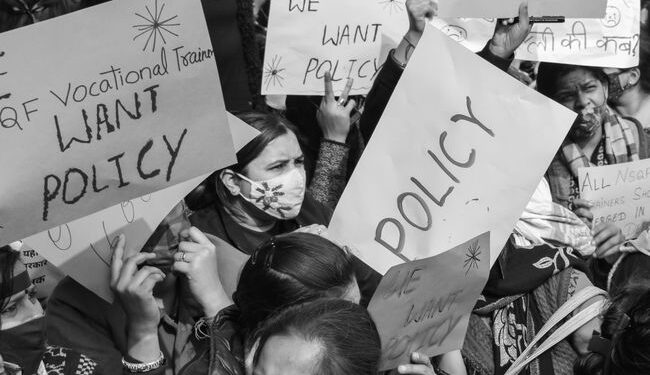
As protests continue, students demand not only lower coaching fees but also improvements in public education standards. Activists argue that the government must ensure quality education is accessible to all, regardless of financial status. The protests have gained support from various youth organizations, amplifying calls for educational reform. A student organization representative stated, “We are not just fighting for lower fees; we are fighting for a fair education system that does not leave anyone behind.” This sentiment resonates with many who feel the current system favors the wealthy, creating an uneven playing field.
Impact of Protests on Educational Policy
The student protests have raised awareness about rising coaching costs and sparked discussions about educational policy in India. The government has been urged to evaluate existing educational policies and address disparities in access to quality education. In response, the Ministry of Education plans to review regulations surrounding private coaching institutes. This review aims to assess whether fee structures are justified and if regulations are needed to protect students and families from high charges. However, critics argue that without real action, these announcements may only provide temporary relief.
Public sentiment is shifting as more people recognize the challenges students face in a competitive environment. Social media campaigns have played a vital role in raising awareness, with hashtags like #FairEducation and #StopCoachingFees trending online. This visibility has prompted discussions among policymakers, educators, and the public about the need for systemic change. The protests have also highlighted the rise of youth activism in India, as young people demand accountability from their leaders and push for reforms that address their concerns.
In response to a recent sexual assault inquiry, Cornell University is implementing significant reforms for Greek organizations, emphasizing accountability and enhanced prevention programs. President Michael…
As protests continue, students demand not only lower coaching fees but also improvements in public education standards.
Future of Education in India
Career Ahead’s analysis suggests that the protests could lead to significant changes in how educational institutions operate in India. If the government enforces stricter regulations on coaching fees, it may create a more equitable educational landscape. This shift could ultimately benefit students from diverse backgrounds, giving them a fairer chance at success. However, the path forward remains uncertain. While the protests have gained attention, the effectiveness of policy changes will depend on continued advocacy and public pressure. As students mobilize, their voices may reshape the future of education in India.
As the protests evolve, the question remains: will the government respond adequately to demands for reform, or will financial strain continue for future generations? The stakes are high, as the outcome of these protests could impact the accessibility and quality of education for millions of students across the country.



Education & University Insights
Education & University Insights