No products in the cart.

Students Challenge Education Minister Over Exam Disruptions
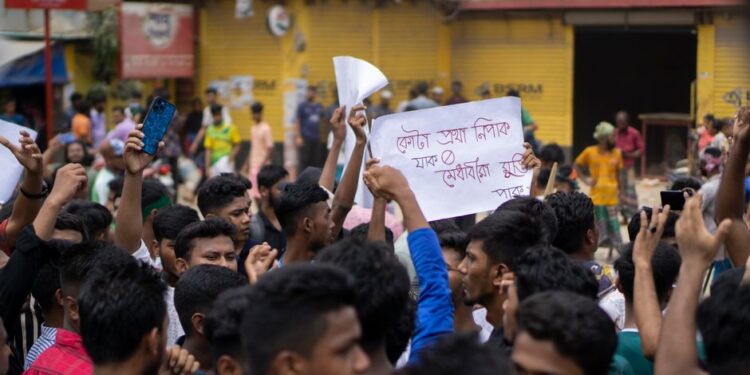
In Bangladesh, students are protesting against the education minister's handling of exam disruptions caused by severe floods, demanding accountability and reforms in educational policies.

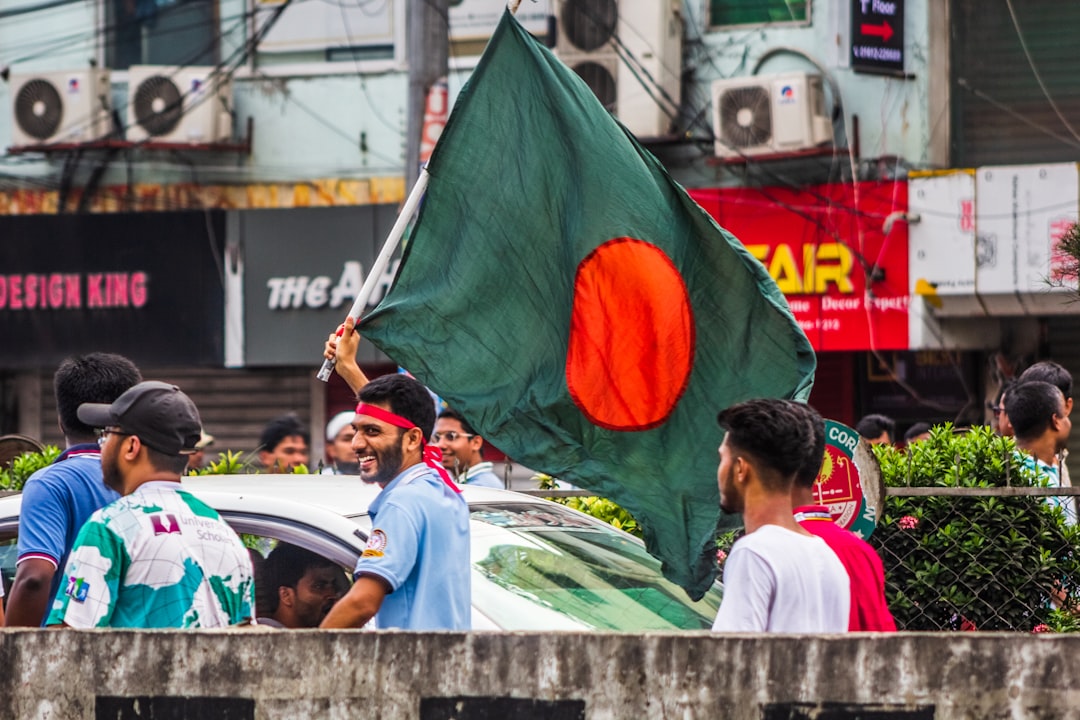
Bangladesh — Hundreds of students have taken to the streets, demanding the resignation of Education Minister Ehsanul Hoque Milon. Their protests are a direct response to his handling of the Higher Secondary Certificate (HSC) examinations, which were severely disrupted by recent floods. The protests began in Dhaka on July 15, 2026, as students expressed their frustration over the government’s inadequate response to the challenges posed by the natural disaster.
The unrest was sparked when the education ministry refused to cancel an exam paper, despite widespread flooding affecting many test centers. Students reported navigating flooded streets and, in some cases, traveling by boat to reach their venues. This situation has left many feeling that their academic futures are at risk, prompting them to take action.
Natural Disasters Disrupting Education
Natural disasters, such as the recent floods in Bangladesh, can have a profound impact on education. The HSC examinations, which are crucial for students seeking higher education, were notably affected this year. Many students were unable to attend exams due to flooding, a fact acknowledged by the education minister, yet he failed to provide a satisfactory solution.
Minister Milon stated that students who missed exams would have another opportunity to take them. However, this assurance did little to quell the protests. Students believe the government should have taken more proactive measures to ensure their safety and access to exams during such severe weather. The government’s inaction has raised serious questions about its commitment to student welfare.
Research indicates that the impact of natural disasters on education is not unique to Bangladesh. Similar disruptions have occurred in other regions, highlighting the need for robust contingency planning in educational policies. Countries facing natural disasters often witness a rise in student activism, as young people demand accountability and reform in response to government failures.
Minister Milon stated that students who missed exams would have another opportunity to take them.
Calls for Accountability and Reform
The protests in Bangladesh underscore the urgent need for government accountability in education policies. Students are not only demanding the resignation of the education minister but also a comprehensive review of how the educational system responds to natural disasters. This situation raises critical questions about the preparedness of schools for unforeseen events.
A report from Firstpost notes that the protests resemble previous student-led movements that successfully influenced government policy. The determination of students to hold their leaders accountable signifies a shift in the political landscape, with youth activism emerging as a powerful force for change.
Comments made by the education minister, which some students found dismissive, have further fueled the protests. Referring to students as “broiler chickens” sparked outrage and demonstrated a disconnect between the government and the student body. Such a disconnect could have long-term implications for the government’s relationship with young people, who are increasingly disillusioned with the status quo.
The Rise of Student Activism
The ongoing protests mark a pivotal moment for student activism in Bangladesh. As young people engage more with political issues, they are likely to continue advocating for reforms that address their concerns. This trend extends beyond education to broader societal issues, as students seek to influence change across various sectors.
The government’s response to these protests will be crucial for the future of student activism in Bangladesh.
As highlighted by Deccan Chronicle, the recent demonstrations are part of a global pattern of youth activism. Students are increasingly utilizing social media to organize and mobilize, amplifying their voices and reaching a wider audience. This shift in activism may lead to more impactful movements in the future.
The government’s response to these protests will be crucial for the future of student activism in Bangladesh. If the government acknowledges students’ concerns and takes meaningful action, it may foster a more collaborative relationship with young people. Conversely, ignoring their demands could lead to further unrest and a deeper divide between the government and its youth.
Implications for Educational Policies
As the situation unfolds, it is essential to monitor how the government addresses students’ demands and whether reforms are implemented in the educational system. The outcome of these protests could set a precedent for managing future crises and including student voices in policy discussions.
The ongoing protests signal a crucial turning point for the relationship between students and the government in Bangladesh. As students advocate for their rights, the future of education in the country hangs in the balance. The protests not only reflect immediate concerns regarding exam disruptions but also highlight the need for a more resilient educational framework that can withstand the challenges posed by natural disasters.

Frequently Asked Questions
What should high school students in Bangladesh do if their exams are disrupted?
Students facing exam disruptions due to floods should stay informed about announcements from the education ministry. They should connect with peers and educational institutions to receive updates and support during this challenging time.
Students facing exam disruptions due to floods should stay informed about announcements from the education ministry.
How can education policy analysts assess the impact of protests on government accountability?
Education policy analysts can assess the impact of protests by analyzing changes in government responses to student demands. They can also track subsequent reforms in educational policies. Monitoring public sentiment and student engagement in policy discussions can provide insights into these movements’ effectiveness.
What measures can exam administrators take to prepare for natural disasters?
Exam administrators can develop contingency plans that include flexible scheduling and alternative examination venues. Clear communication strategies to inform students of changes are essential. Collaborating with local authorities to assess risks and ensure student safety during natural disasters is also crucial.
Written by Career Ahead AI. AI can make mistakes, so verify key facts. Report errors to support@careeraheadonline.com.