No products in the cart.

Smart Glasses Prioritize Productivity Over Recording

Even Realities has launched its G2 smart glasses, emphasizing a productivity-first approach by excluding cameras, catering to privacy-conscious users.

Even Realities has launched its G2 smart glasses, focusing on productivity by excluding cameras. This innovative device aims to improve user experience in tech settings while addressing privacy concerns. The G2 glasses were unveiled on July 11, 2026, marking a significant change in the smart glasses market.
The G2 smart glasses feature a monochrome heads-up display. This display provides essential information without video recording capabilities. This design choice creates a more comfortable environment for users and those around them, as privacy is a major concern today. Even Realities believes that by focusing on productivity instead of surveillance, they can find a unique place in the crowded wearable technology market.
Prioritizing Productivity Over Privacy Concerns
The G2 smart glasses are designed for professionals who spend a lot of time in meetings or presentations. By removing cameras and speakers, Even Realities aims to ease fears of being recorded. This allows users to concentrate on their tasks. This approach aligns with a trend where privacy-conscious consumers want devices that boost productivity without invading personal space. A report from TechCrunch states that the G2 glasses’ design shows a commitment to user comfort, which is increasingly important as consumers become aware of privacy issues in technology.
Career Ahead’s analysis finds that the growing demand for privacy-focused technology shows a shift in consumer expectations. Users are more cautious about devices that invade their personal lives. Even Realities is responding to this by creating products that prioritize user comfort and efficiency. The G2 glasses include features like real-time translation and teleprompting, meeting the needs of professionals in various work environments. This focus on practical applications is crucial for users who want to maximize productivity without distractions from invasive technology.
In addition to their main functions, the G2 glasses offer productivity tools like to-do lists and calendar notifications. These features streamline workflows and improve efficiency for users. The built-in AI assistant, Even AI, enhances the user experience by providing contextual information during conversations. This makes it a valuable tool for professionals. As noted by SiliconANGLE, this AI integration boosts productivity and positions Even Realities as a forward-thinking player in wearable tech.
The G2 glasses include features like real-time translation and teleprompting, meeting the needs of professionals in various work environments.
You may also like
 AI & Technology
OpenAI’s $400 Gadget Aims to Disrupt Market
OpenAI's upcoming gadget, priced between $300 and $400, aims to disrupt the smart speaker market with innovative features and a focus on user experience, potentially…
Read More →This focus on productivity is not just a marketing strategy; it represents a fundamental change in wearable technology development. By prioritizing features that enhance user productivity, Even Realities stands out from competitors that use more invasive technologies. This could signal a new direction for the industry, as companies recognize the importance of user privacy.
Market Demand for Non-Invasive Tech Solutions
The launch of the G2 smart glasses comes as the wearable technology market expands rapidly. According to a report by SiliconANGLE, Even Realities recently raised $150 million in funding, increasing its valuation to $1 billion. This financial support shows strong investor confidence in the company’s vision and potential to disrupt the wearable tech market. The investment reflects a growing recognition that privacy-focused products are not only viable but necessary in today’s digital landscape.
Even Realities’ choice to exclude cameras in its G2 glasses may appeal to users worried about surveillance and data privacy. The company’s approach matches the rising market demand for non-invasive tech solutions that prioritize user comfort and productivity. As tech professionals seek devices that respect their privacy while enhancing work capabilities, the G2 glasses may fill a crucial gap. This shift in consumer preference is echoed in the tech community, where there is a clear trend towards less intrusive, more user-centric products.
Moreover, the design of the G2 glasses reflects a trend towards minimalism in technology. By focusing on essential features and removing unnecessary components, Even Realities addresses user concerns about complexity and usability. This could attract a wide range of consumers, from corporate professionals to freelancers needing efficient tools for daily tasks. The G2 glasses also present an opportunity for developers in the wearable tech space. As Even Realities supports third-party applications, developers can create software that enhances the glasses’ functionality. This could lead to a new ecosystem of applications tailored for productivity, further driving demand for the G2 glasses.
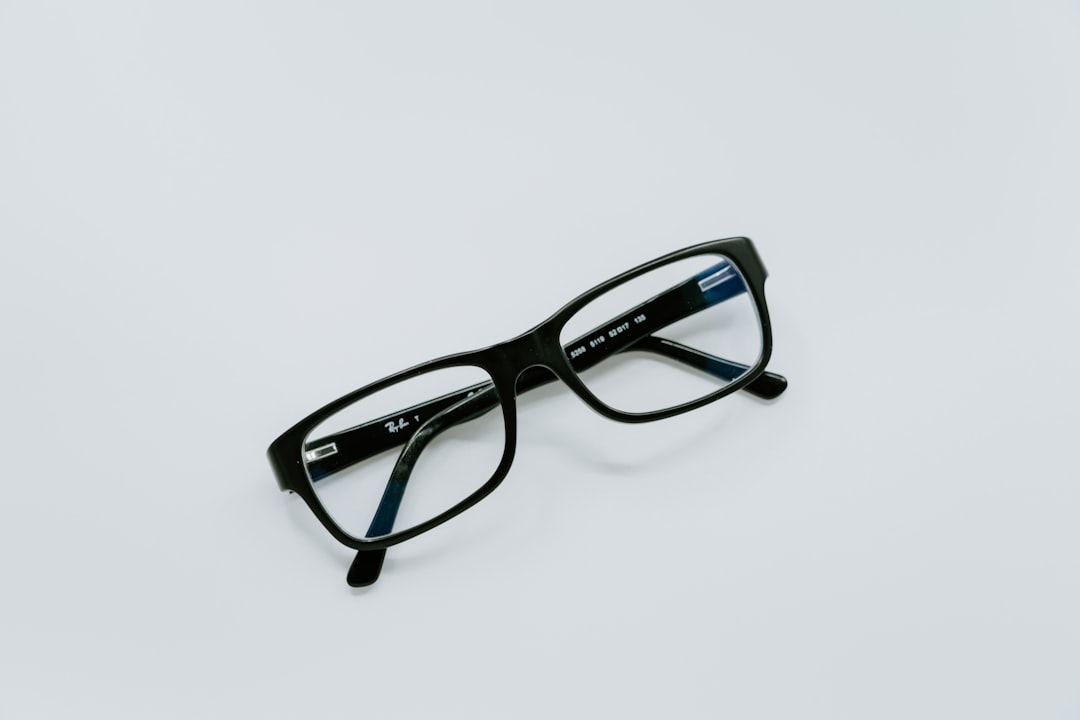
The implications of this shift could reshape how technology companies approach product development in the future.
As the wearable technology market continues to grow, the success of the G2 smart glasses may encourage other companies to adopt similar strategies. By prioritizing user privacy and productivity, Even Realities could set a new standard for wearable devices, influencing design and development practices across the industry. The implications of this shift could reshape how technology companies approach product development in the future.
The introduction of the G2 smart glasses highlights the need for user experience design to evolve with changing consumer expectations. As privacy concerns grow, developers must create products that meet functional needs while respecting user autonomy. This shift could lead to innovative design solutions that prioritize user comfort and engagement. Career Ahead’s research shows that user experience design will be critical in adopting new wearable technologies. As consumers become more discerning about their devices, companies must invest in intuitive interfaces and seamless interactions. The G2 glasses show how thoughtful design can enhance user satisfaction and drive product adoption.
You may also like
 AI & Technology
ByteDance Targets Mega AI Model to Compete with Mythos Scale
ByteDance is developing a mega AI model with 10 trillion parameters, aiming to compete with industry leaders like Anthropic and OpenAI. This initiative reflects a…
Read More →Furthermore, the G2 glasses’ focus on productivity features suggests that future wearable technologies may need to integrate more with users’ daily workflows. This could involve developing applications that support collaboration, communication, and task management. As Even Realities expands its ecosystem, the potential for third-party developers to create complementary applications could further enhance the user experience.
In conclusion, the G2 smart glasses from Even Realities represent a significant shift in the wearable technology market. By prioritizing productivity and user privacy over traditional features like cameras, the company is poised to influence future design trends. As demand for non-invasive tech solutions grows, it will be interesting to see how other companies respond to these changing consumer preferences.
Frequently Asked Questions
What are the benefits of camera-less smart glasses for productivity specialists?
Camera-less smart glasses like the G2 from Even Realities boost productivity by removing privacy concerns linked to recording. This allows users to focus on their tasks without the fear of being filmed, creating a more comfortable work environment.
This allows users to focus on their tasks without the fear of being filmed, creating a more comfortable work environment.
How can wearable technology developers adapt to the trend of privacy-focused devices?
Wearable technology developers can adapt by prioritizing user privacy in their designs. This includes creating products that remove invasive features like cameras and focusing on functionality that enhances productivity without compromising user comfort.

What should productivity specialists consider when evaluating new smart glasses technologies?
Productivity specialists should evaluate the functionality, usability, and privacy features of new smart glasses. Devices that enhance user experience and offer tools for task management and collaboration will better boost productivity.
You may also like
 AI & Technology
Tech Industry Transformed by Cross-Industry Partnerships
We have already witnessed a wave of joint ventures that blur the once‑clear line between “tech” and “non‑tech”: a leading cloud provider now powers ...
Read More →