No products in the cart.

Supreme Court Reviews Aviation Accessibility Gaps | Career Outlook

The petition, filed by Turab Chimthanawala, who has a visual impairment, argues that the aviation industry has not implemented adequate measures to ensure accessibility at all stages of air travel.

India’s Supreme Court will examine a plea about accessibility failures in aviation for disabled travelers. The inquiry, started on October 7, 2026, addresses the need for reforms in a sector serving over 350 million passengers each year. Sadly, it often overlooks the needs of persons with disabilities (PwD).
The petition was filed by Turab Chimthanawala, who has a visual impairment. He argues that the aviation industry has not done enough to ensure accessibility at all stages of air travel. This includes booking, check-in, boarding, and in-flight services. The case highlights concerns about how disabled individuals are treated in one of the world’s fastest-growing aviation markets. A report by The Hindu notes a lack of comprehensive policies to address the unique challenges faced by disabled travelers. This could lead to important legal and regulatory changes in the industry.
Systemic Accessibility Failures in Aviation
Chimthanawala’s case shows serious problems in how airlines handle accessibility. The petition mentions a troubling incident where a wheelchair-dependent passenger was allegedly removed from a flight in Delhi. This incident illustrates the real-world impact of these systemic failures. Such events are not isolated; they reflect broader issues faced by millions of disabled travelers in India. The lack of accountability in the aviation sector often leaves disabled passengers stranded or facing hardships during their journeys.
India is currently the third-largest aviation market in the world, with domestic passenger traffic growing by about 10-12% each year. Despite this growth, the needs of over seven million PwD air travelers are often ignored. Reports show that essential assistive equipment is frequently damaged or not loaded onto planes. Additionally, digital platforms often do not support screen readers and other assistive technologies. The Supreme Court’s inquiry may prompt aviation authorities to take a more proactive approach to accessibility issues.
The plea also points out that the lack of accessible communication methods at airports worsens the challenges for disabled travelers. Many airports do not provide real-time notifications in accessible formats, leaving passengers without important information. This negligence raises serious questions about the commitment of aviation authorities to uphold the rights of all passengers. As noted by Workers Compensation Law Attorney, the legal framework for travel rights is often poorly enforced. This could change if the Supreme Court requires stricter regulations.
Despite this growth, the needs of over seven million PwD air travelers are often ignored.
You may also like
 Government & Policy
RBI’s Repo Rate Hike Signals Economic Shift
The repo rate is important because it sets the interest rate at which the RBI lends to commercial banks. When this rate increases, loan interest…
Read More →Career Ahead’s analysis suggests that the Supreme Court’s inquiry may lead to significant policy changes. The court’s decision could push the government and aviation authorities to adopt stricter regulations. This would ensure that all travelers, regardless of ability, have equal access to air travel. The case could set a precedent for future legal actions aimed at improving accessibility across various sectors.
The Role of Aviation Companies in Ensuring Accessibility
Aviation companies play a vital role in shaping the travel experience for disabled individuals. The current lack of accessible services not only reflects poorly on the industry but also raises ethical concerns about how vulnerable passengers are treated. Airlines must recognize their responsibility to provide equitable services and invest in infrastructure to accommodate disabled travelers. This includes physical accessibility at airports and training airline staff to assist passengers with disabilities effectively.
Currently, many airline mobile apps and booking websites do not support assistive technologies. This makes it hard for disabled passengers to navigate the booking process. This digital exclusion is a major barrier that limits the ability of PwD to travel independently. As the aviation market expands, companies must prioritize integrating accessibility features into their digital platforms. The Supreme Court’s scrutiny may encourage airlines to adopt more inclusive practices as consumer demand for accessibility grows.
The plea also highlights the lack of effective feedback mechanisms for reporting accessibility issues. Disabled travelers often end up in generic customer support channels where their specific concerns are ignored. Airlines need to create clear pathways for addressing these issues, ensuring that feedback leads to real improvements. The aviation industry must move beyond mere compliance with existing laws and actively work to enhance the travel experience for all passengers.
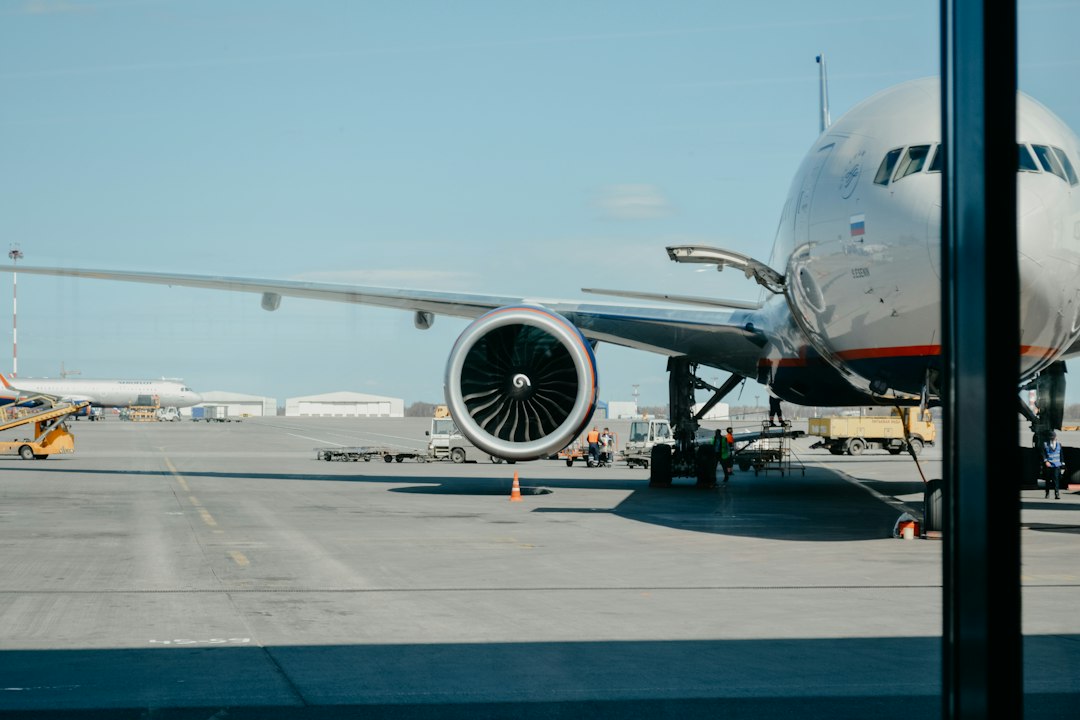
The aviation industry must move beyond mere compliance with existing laws and actively work to enhance the travel experience for all passengers.
As the Supreme Court examines these issues, aviation companies will likely face increased pressure to improve their accessibility measures. The outcome of this case could influence how airlines approach their services, potentially creating a more inclusive travel environment for everyone. Career Ahead research shows that companies addressing accessibility proactively will not only meet legal requirements but also gain a competitive edge. As consumer awareness of disability rights rises, companies prioritizing accessibility may attract a larger customer base, enhancing their reputations and fostering loyalty.
The Supreme Court’s findings could have implications beyond aviation. They may inspire advocacy groups to push for stricter regulations and oversight in aviation and other sectors. As the legal landscape changes, there is potential for increased scrutiny of how companies meet the needs of disabled individuals. This scrutiny could lead to a shift in industry standards, compelling companies to adopt better accessibility practices.
You may also like
 Government & Policy
Fed Officials Signal Further Action Needed to Combat Inflation
Recent Fed minutes reveal growing concerns among officials regarding inflation, suggesting potential interest rate hikes. Financial analysts should adjust their forecasts and strategies accordingly, as…
Read More →In light of the Supreme Court’s inquiry, aviation policy experts must consider how to strengthen existing regulations to better protect the rights of disabled travelers. The case highlights the need for collaboration among government bodies, aviation authorities, and advocacy groups to create a more inclusive travel environment. The outcome may also influence international standards for aviation accessibility, setting a benchmark for other countries facing similar challenges. As India grows in the global aviation market, its approach to accessibility could serve as a model for other nations.
Looking ahead, the aviation industry faces a crucial moment. The Supreme Court’s findings could reshape air travel for disabled individuals, prompting essential reforms to ensure equal access and dignity for all travelers. As stakeholders await the court’s decision, the future of aviation accessibility hangs in the balance.
Frequently Asked Questions
What are the latest regulations regarding disabled traveler accommodations in aviation?
Career Ahead’s analysis shows that current regulations require airlines to provide certain accommodations for disabled travelers. However, enforcement is often lacking. The Supreme Court’s inquiry may lead to stricter guidelines and better compliance across the industry.
The Supreme Court’s findings could inform future policy developments to better protect the rights of disabled travelers.
How can aviation companies improve accessibility for disabled passengers?
Aviation companies can enhance accessibility by integrating assistive technologies into their booking platforms. They should provide dedicated support for disabled travelers and ensure that all facilities meet accessibility standards. The upcoming Supreme Court ruling may catalyze these necessary changes.
What should aviation policy experts consider in light of the Supreme Court’s examination of accessibility issues?
Aviation policy experts should focus on creating comprehensive frameworks that enforce accessibility standards across the industry. The Supreme Court’s findings could inform future policy developments to better protect the rights of disabled travelers.
You may also like
 Government & Policy
UK Billionaires Leaving for Monaco Amid Wealth Tax Concerns
Concerns about new wealth taxes in the UK are driving billionaires to move to Monaco, highlighting a broader trend of wealthy individuals seeking tax-friendly jurisdictions…
Read More →