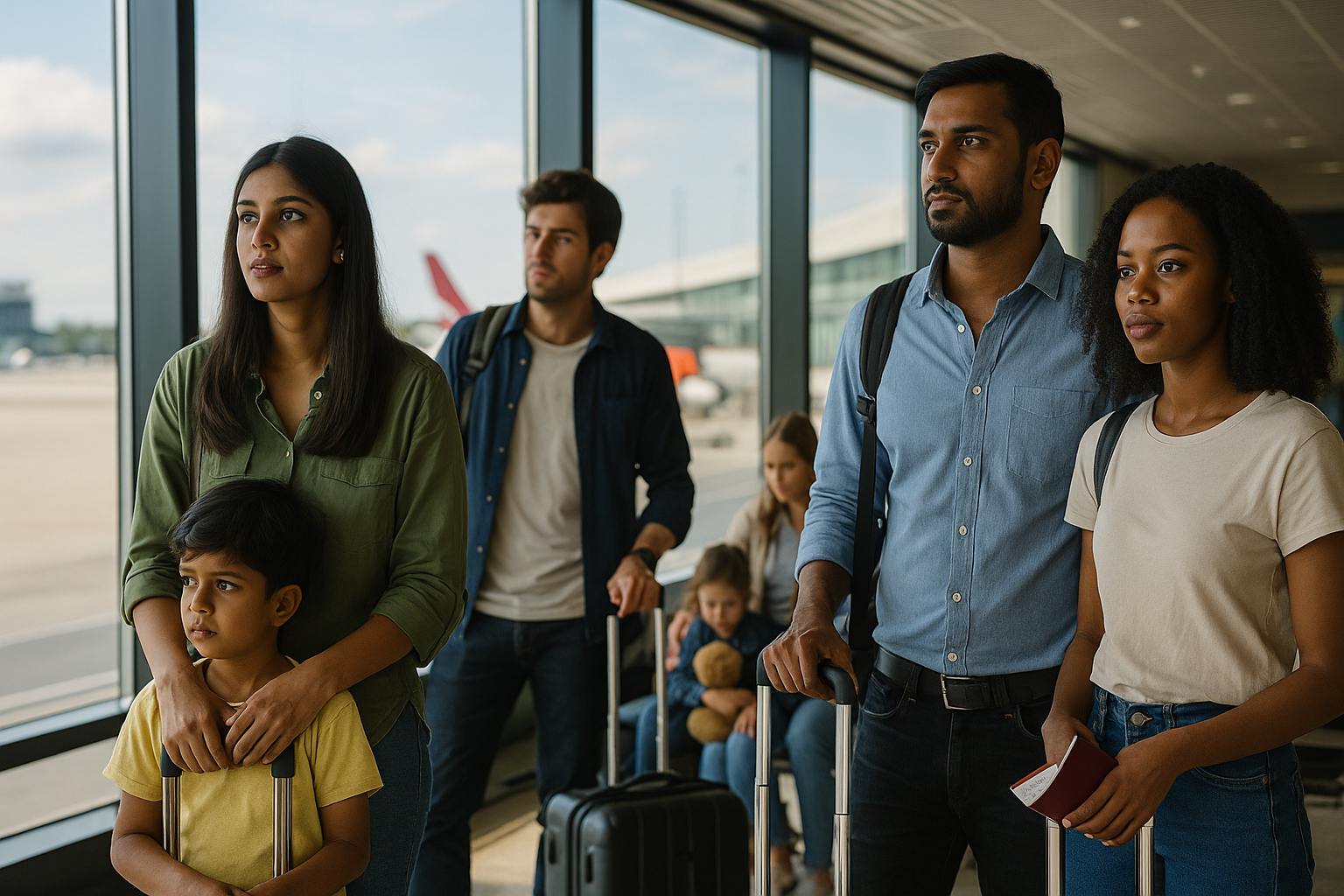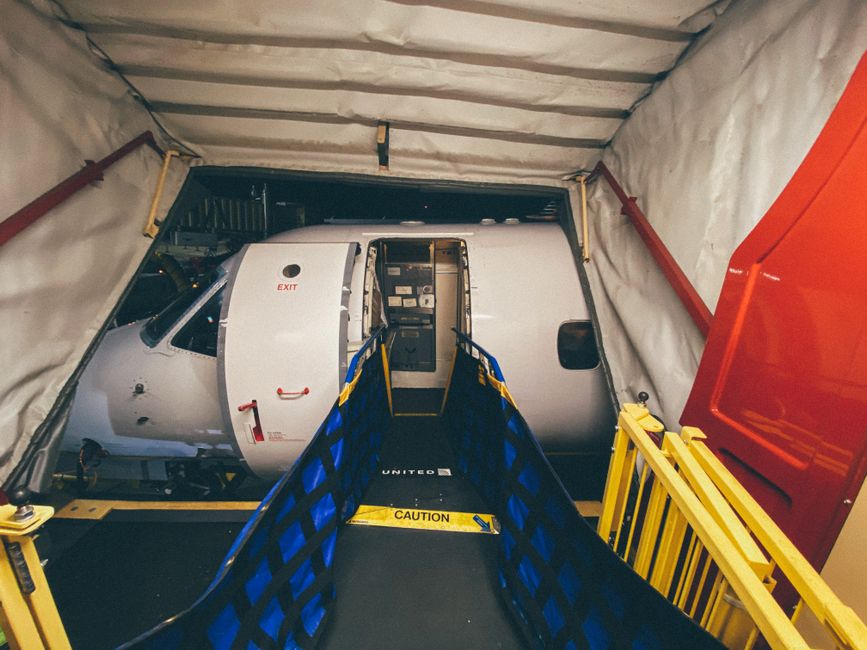
The Supreme Court of India will review a crucial plea about accessibility failures for disabled travelers in aviation. This review follows a petition from advocate Turab Chimthanawala. He pointed out serious issues in services for persons with disabilities (PwD) at different stages of air travel. The court aims to address the urgent need for reforms in a rapidly growing aviation market, where millions of disabled passengers face travel barriers.
The petition highlights the lack of accessible infrastructure in booking, check-in, security screening, and in-flight services. With over 350 million annual passengers and more than seven million air travelers with disabilities, the case’s implications are significant. The Supreme Court’s ruling could change how airlines accommodate disabled passengers and reshape the industry.
Systemic Failures in Aviation Accessibility
The court plea emphasizes a nationwide failure to implement accessibility measures in aviation. This includes denying essential services, inadequate infrastructure, and a lack of basic accommodations for disabled travelers. For example, visually impaired passengers often struggle with in-flight systems that lack necessary accessibility features. This leaves them unable to communicate with cabin crew or access vital safety information.
The court also heard about a recent incident where a wheelchair-dependent passenger was removed from a flight in Delhi. This incident highlights the real-world impact of these systemic failures. It shows the urgent need for airlines to adopt comprehensive accessibility policies that ensure dignity and independence for all travelers. Many airlines do not provide adequate training for staff on accessibility issues, leading to further complications for disabled passengers.
Moreover, the absence of clear feedback mechanisms for reporting accessibility barriers worsens the situation. Travelers often have to navigate generic customer support channels that do not meet their specific needs. This raises important questions about the responsibilities of airlines and regulatory bodies. A report from Bar and Bench highlights how systemic blind spots in aviation leave many disabled travelers feeling like second-class citizens. They are unable to enjoy the same rights and privileges as able-bodied travelers.
It shows the urgent need for airlines to adopt comprehensive accessibility policies that ensure dignity and independence for all travelers.
As the aviation sector grows, the need for inclusive practices becomes clearer. The Supreme Court’s review of this case could lead to significant policy changes. It may compel airlines to prioritize accessibility and comply with legal standards. Reform is not just a legal obligation; it reflects societal values about equality and dignity.
 Government & Policy
Supreme Court Reviews Aviation Accessibility Gaps | Career Outlook
The petition, filed by Turab Chimthanawala, who has a visual impairment, argues that the aviation industry has not implemented adequate measures to ensure accessibility at…
Read More →Career Ahead analysis shows that increasing scrutiny over accessibility in transportation signals a shift in industry standards. As more discrimination cases arise, airlines and regulatory bodies face pressure to implement effective measures for all passengers. The Supreme Court’s involvement may also spark a broader societal conversation about disability rights and the need for systemic change across various sectors.
Implications for Aviation Policy and Industry Standards
The Supreme Court’s ruling will likely impact broader aviation policy and industry standards. As the court examines the systemic failures noted in the petition, it may prompt a reevaluation of existing accessibility regulations in air travel. This could lead to stricter guidelines requiring airlines to improve their services for disabled travelers.
Additionally, the case may inspire increased advocacy and awareness around disability rights in aviation. As public attention shifts to the challenges faced by disabled travelers, airlines may feel compelled to adopt proactive measures to comply with accessibility standards. This could involve investing in specialized staff training and upgrading infrastructure to better serve all passengers. The Supreme Court’s scrutiny may also lead to a stronger regulatory framework, holding airlines accountable for their accessibility commitments.
Furthermore, the ruling may influence how aviation companies approach their corporate social responsibility (CSR) initiatives. By prioritizing accessibility, airlines can position themselves as leaders in inclusivity. This can enhance their reputation and attract a broader customer base. Such a shift could also encourage other sectors to adopt similar practices, fostering a culture of inclusivity across industries. The economic benefits of inclusive travel policies are significant, as noted by a report from Workers Compensation Lawyer. Accommodating disabled travelers can lead to increased patronage and loyalty from a demographic often overlooked.
The results could influence legislative measures and regulatory frameworks, determining how well the aviation industry accommodates disabled travelers in the future.
 Government & Policy
Bridging Geographic and Temporal Gaps
The GEC-III project aims to enhance the evacuation of renewable power from generation-rich states to consumption centers across India, addressing geographic and temporal mismatches in…
Read More →As the Supreme Court deliberates, the aviation industry must prepare for potential policy changes that could reshape air travel for disabled individuals. The outcome of this examination may set a new standard for accessibility, pushing airlines to innovate and adapt to meet all passengers’ needs. For aviation policy experts and disability rights activists, this case is a critical moment in the ongoing fight for equality in travel. The results could influence legislative measures and regulatory frameworks, determining how well the aviation industry accommodates disabled travelers in the future.
As the aviation market continues to grow, the need for inclusive practices becomes urgent. The Supreme Court’s ruling may serve as a turning point, prompting airlines to reevaluate their policies and implement meaningful changes that prioritize accessibility for all travelers.
Frequently Asked Questions
What are the latest regulations regarding disabled traveler accommodations in aviation?
Career Ahead research shows that current regulations require airlines to provide reasonable accommodations for disabled travelers. This includes assistance with boarding, deplaning, and navigating airports. However, enforcement of these regulations is inconsistent, leading to ongoing challenges for passengers with disabilities.
Career Ahead research shows that current regulations require airlines to provide reasonable accommodations for disabled travelers.
How can aviation companies improve accessibility for disabled passengers?
Aviation companies can enhance accessibility by investing in staff training, improving infrastructure, and ensuring that booking systems work with assistive technologies. Clear feedback mechanisms for disabled travelers will also help address specific barriers they face.
What should aviation policy experts consider regarding the Supreme Court’s examination of accessibility issues?
Aviation policy experts should closely monitor the Supreme Court’s findings. These may lead to significant changes in regulations governing accessibility in air travel. This case could set important precedents that reshape industry standards and influence how airlines accommodate disabled travelers.
Written by Career Ahead AI. AI can make mistakes, so verify key facts. Report errors to support@careeraheadonline.com.