No products in the cart.

Taiwan’s Role in America’s Semiconductor Dominance
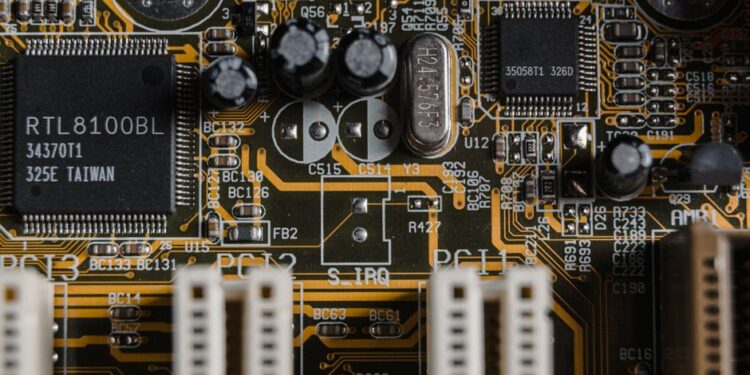
Nvidia CEO Jensen Huang emphasizes Taiwan's critical contributions to the U.S. semiconductor industry, arguing that without Taiwan, the U.S. chip sector could have faced significant challenges. His remarks come amid ongoing discussions about the future of semiconductor manufacturing and its impact on jobs in the tech sector.

Taiwan’s semiconductor industry is essential for the American tech sector, says Nvidia’s CEO Jensen Huang. At the opening of Wistron Corp’s first US manufacturing site, Huang noted that Taiwan helped save the US semiconductor industry from a potential takeover by Japan. His comments come at a critical time when the semiconductor supply chain faces scrutiny, affecting job security and career opportunities in tech.
Huang highlighted Taiwan’s significant contributions to the global semiconductor landscape. He explained that without Taiwan’s strategic decisions and strong corporate ties, the US chip sector could have encountered major challenges. This view sharply contrasts with former President Donald Trump’s claims that Taiwan was “stealing” the US semiconductor industry. Huang clarified that Taiwanese firms are expanding in the US based on sound business decisions, not external pressures.
The Critical Role of Taiwan in Semiconductor Production
Taiwan’s semiconductor industry is often seen as the backbone of the global tech ecosystem. Companies like TSMC (Taiwan Semiconductor Manufacturing Company) produce a large share of the world’s chips. These chips are vital for consumer electronics, automotive technology, and AI systems. According to Career Ahead’s analysis of Focus Taiwan data, Taiwan’s influence in the semiconductor market goes beyond production volume; it also includes technological advancements and innovation.
According to Career Ahead’s analysis of Focus Taiwan data, Taiwan’s influence in the semiconductor market goes beyond production volume; it also includes technological advancements and innovation.
Data from RTI shows that Taiwan’s semiconductor industry invests heavily in research and development to stay competitive. For example, TSMC’s recent investments in advanced manufacturing technologies allow it to produce chips at smaller nodes, improving performance and efficiency. This focus on innovation is crucial as companies worldwide strive to meet the growing demand for high-performance chips. Additionally, the Taiwanese government supports the semiconductor sector through favorable policies and incentives, creating a growth-friendly environment.
The collaboration between Taiwanese firms and American tech companies like Nvidia highlights the interdependence of these markets. Huang mentioned that ongoing partnerships are built on trust and mutual benefit. Taiwanese companies are not just suppliers; they are key partners in developing cutting-edge technologies. This relationship is vital for engineers and supply chain managers in the US, influencing hiring trends and job security in the semiconductor sector. Huang stressed that Taiwan’s strategic decisions have been essential for maintaining the US’s competitive edge in semiconductor manufacturing, reinforcing the island’s role as a global leader in chip production.
However, the geopolitical landscape complicates this dynamic. Taiwan’s strategic position in the semiconductor supply chain has made it a focal point in US-China relations. As tensions rise, American companies may need to reassess their supply chain strategies to reduce risks of disruptions. For semiconductor engineers, this could mean navigating a more unstable job market as companies adapt to changing geopolitical conditions. Potential conflict in the Taiwan Strait could lead to significant supply chain disruptions, impacting the global tech industry.
Implications for US Tech Jobs and Supply Chain Managers
Huang’s statements have broader implications beyond chip production. For semiconductor engineers, Taiwan’s role in the industry highlights the need for specialized skills that match the evolving tech landscape. Career Ahead’s research shows that engineers skilled in advanced manufacturing and AI integration will be in high demand as companies seek to innovate and stay competitive. The increasing complexity of semiconductor design and production requires a workforce that is both technically skilled and adaptable to rapid changes.
The growing reliance on Taiwanese semiconductor production means professionals need a deeper understanding of international trade dynamics and risk management strategies.
Supply chain managers in the tech sector must also adjust to these changes. The growing reliance on Taiwanese semiconductor production means professionals need a deeper understanding of international trade dynamics and risk management strategies. As companies diversify their supply chains, those with expertise in global logistics and supplier relations will be better positioned for future opportunities. Wistron’s new facility in the US, part of a trend of reshoring semiconductor manufacturing, could significantly increase job opportunities for supply chain professionals and engineers.
Moreover, the potential for more investment in US semiconductor manufacturing, as shown by Wistron’s new facility, could create jobs in the sector. This shift may open new paths for engineers and supply chain professionals, especially in regions where these facilities are located. However, it raises questions about the long-term sustainability of jobs in the semiconductor industry, particularly if geopolitical tensions rise. As companies navigate these uncertainties, they may prioritize hiring candidates with both technical skills and the ability to adapt to changing market conditions. This adaptability will be crucial for engineers and supply chain managers aiming to succeed in a rapidly evolving environment.
In summary, the relationship between Taiwan’s semiconductor industry and the US job market presents both challenges and opportunities for engineers and supply chain managers. As this dynamic evolves, staying informed about industry trends and geopolitical developments will be essential for navigating the future of the semiconductor sector.
Frequently Asked Questions
What does Taiwan’s semiconductor industry mean for engineers?
Taiwan’s semiconductor industry is vital for engineers as it drives demand for specialized skills in chip design and manufacturing. Career Ahead’s analysis shows that engineers with expertise in advanced technologies will be highly sought after in the changing market.
Taiwan’s semiconductor industry is vital for engineers as it drives demand for specialized skills in chip design and manufacturing.
How can supply chain managers adapt to changes in semiconductor sourcing?
Supply chain managers can adapt by gaining a deeper understanding of international trade dynamics and risk management strategies. As companies diversify their supply chains, those with expertise in global logistics will be better positioned for future opportunities.
What should semiconductor engineers do to stay competitive given these industry shifts?
To stay competitive, semiconductor engineers should focus on acquiring skills in advanced manufacturing techniques and AI integration. Keeping up with technological advancements will be essential for thriving in the rapidly changing semiconductor landscape.
Related Articles
- Nearly every Kindle is steeply discounted
- Jack Dorsey Launches Buzz to Compete with Slack and GitHub
- Is instant delivery of satellites possible?
Written by Career Ahead AI. AI can make mistakes, so verify key facts. Report errors to support@careeraheadonline.com.