UNICEF reports that 2.6 million Afghan girls have been barred from secondary school since the Taliban's 2021 takeover, highlighting a nationwide education gap.
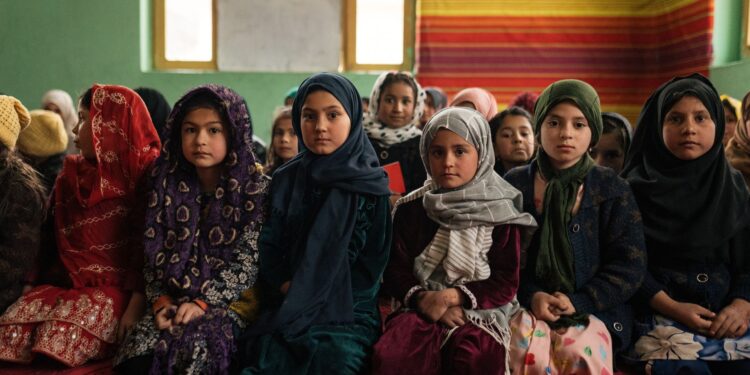
More than 2.6 million Afghan girls have been barred from secondary schooling since the Taliban took power in August 2021, according to a UNICEF press release dated 14 August 2026. The restriction remains in effect across the country, including major urban centers such as Kabul.
UNICEF reported on 14 August 2026 that 2.6 million girls of secondary-school age have been denied access to education under the de facto authorities that have governed Afghanistan since August 2021 [1]. The organization’s statement was issued from its New York office and references data collected through UNICEF country offices and partner agencies operating in Afghanistan [1][4].
The primary actors are the Taliban, who imposed the restrictions after assuming control of the Afghan government in August 2021, and UNICEF, which continues to monitor and publicize the education gap [1][2]. The denial results from policy directives that prohibit girls from attending secondary schools, a rule that has been enforced nationwide through school closures, administrative bans, and security measures that prevent girls from traveling to existing facilities [2][3].
Scope and Demographics of the Denial
UNICEF’s 2026 press release quantifies the number of affected girls at 2.6 million, representing the total cohort of secondary-school-age females in Afghanistan [1]. The figure includes girls in both urban districts, such as Kabul, Herat, and Mazar-i-Sharif, and rural provinces where school infrastructure is already limited [3].
Data gathered by UNICEF field teams indicate that enrollment rates for girls at the secondary level have fallen from approximately 45% in 2020 to near zero in 2026, while male enrollment has remained relatively stable [1][4]. The organization also notes that the lack of secondary education disproportionately affects girls from low-income households, who lack the resources to seek private tutoring or relocate to areas with informal learning centers [2].
The organization also notes that the lack of secondary education disproportionately affects girls from low-income households, who lack the resources to seek private tutoring or relocate to areas with informal learning centers [2].
Policy Background and Enforcement
Taliban Restrictions Deny Secondary Education to 2.6 Million Afghan Girls
The Taliban’s education policy, announced shortly after the August 2021 takeover, stipulated that girls could attend school only up to the sixth grade, after which they were required to cease formal education [2]. Subsequent decrees reinforced the ban on secondary schooling, citing cultural and religious interpretations that the authorities claim justify the restriction [3].
Implementation has been carried out through a combination of official orders to school administrators, the removal of female teachers from secondary classrooms, and the deployment of security personnel to enforce compliance [2]. International observers have documented instances where schools that attempted to admit girls beyond sixth grade were ordered to close or were subject to raids by local enforcement units [3].
Implications for Students, Educators and International Stakeholders
Anup Bagchi, with over three decades in financial services, is set to lead HDFC Bank starting October 27, 2026, following the retirement of Sashidhar Jagdishan.
The immediate impact on the 2.6 million girls is the loss of formal academic instruction, vocational training, and pathways to higher education [1]. UNICEF estimates that each year of missed secondary education reduces a girl’s future earning potential by an average of 15%, compounding gender-based economic disparities in the country [4].
Educators, particularly female teachers, face reduced employment opportunities as secondary schools remain closed to girls. The policy has also led to a decline in the recruitment and retention of qualified teachers, undermining the overall quality of Afghanistan’s education system [2].
For international donors and NGOs, the data underscore the urgency of scaling alternative learning programs, such as community-based education and digital platforms, while navigating security constraints imposed by the Taliban [3]. UNICEF’s continued reporting aims to inform policy dialogues at the United Nations and bilateral forums, seeking pressure on the de facto authorities to restore girls’ right to secondary education [1].
Impact on Readers
Taliban Restrictions Deny Secondary Education to 2.6 Million Afghan Girls
Students and families in Afghanistan must consider alternative, often informal, avenues for learning, which may lack accreditation and limit future academic mobility. Educators outside Afghanistan can use the data to advocate for targeted funding and program design that addresses the specific barriers identified by UNICEF. Policymakers in donor countries can reference the quantified enrollment gap when allocating aid and negotiating educational access with the Taliban-led administration [4].
Key Facts
Implications for Students, Educators and International Stakeholders The immediate impact on the 2.6 million girls is the loss of formal academic instruction, vocational training, and pathways to higher education [1].
What: More than 2.6 million Afghan girls have been denied secondary education since August 2021.
When: Restrictions imposed in August 2021; data reported on 14 August 2026.
World food prices surged in September 2026, reaching their highest level in nearly four years due to extreme weather conditions and rising agricultural input costs.…
Impact: Girls lose formal schooling, earnings potential decline, and the education system faces teacher shortages and international advocacy pressures.
Sources
More than 2.6 million girls in Afghanistan have been denied a secondary education since 2021 – UNICEF (Press Release, 14 August 2026)
UNICEF: More Than 2.6 Million Afghan Girls Denied Secondary Education – Khaama Press (15 August 2026)
UNICEF: Taliban Restrictions Have Denied 2.6 Million Afghan Girls Secondary Education – The Media Line (16 August 2026)
More than 2.6 million girls in Afghanistan have been denied a secondary education – UNICEF Canada (Press Release, 2026/08/14)



 News
News
News