No products in the cart.

Talks to continue, Iran 'in no hurry and the New Career Landscape
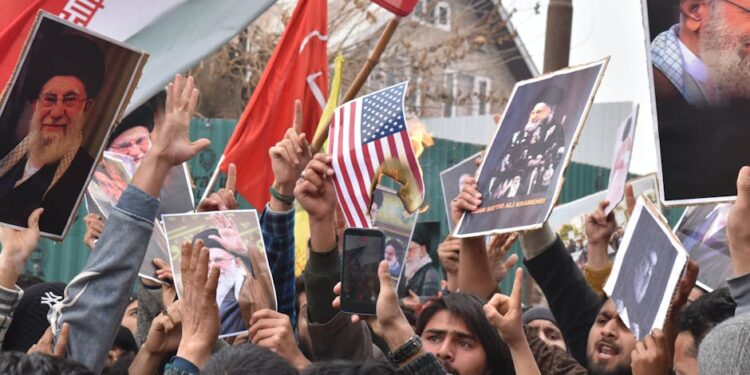
Iran has reiterated its lack of urgency in finalizing a deal with the United States, following inconclusive peace talks in Islamabad. The Iranian foreign ministry emphasized ongoing consultations while maintaining a cautious diplomatic stance.

Islamabad, Pakistan — Iran has made it clear that it is in no hurry to finalize a deal in ongoing peace talks with the United States. This statement follows a recent round of negotiations in Islamabad that ended without a breakthrough. Iran’s foreign ministry spokesperson, Esmaeil Baqaei, emphasized that consultations would continue, but the country is not rushing into an agreement. This cautious approach reflects Iran’s confidence in its diplomatic strategy and its willingness to engage in prolonged discussions.
The latest talks, which involved U.S. negotiators led by Vice President J.D. Vance, lasted over 21 hours. However, the Iranian side expressed that expectations for an immediate agreement were unrealistic. Baqaei stated, “No one had such an expectation” that a deal could be reached in a single session. This sentiment indicates a broader strategy of patience and resilience in Iran’s diplomatic efforts, especially in light of past military setbacks.
Iran’s Parliament Speaker, Mohammad Bagher Ghalibaf, reiterated the nation’s stance by asserting that any potential agreement must be reciprocal. He highlighted that unilateral demands from the U.S. would not be acceptable. This insistence on mutual concessions underscores Iran’s commitment to protecting its interests while navigating complex geopolitical dynamics. The Iranian Embassy in Japan also reinforced this message, stating that diplomatic gains cannot be achieved following military failures.
Stalled Negotiations and Regional Implications
The stalled negotiations carry significant implications for regional stability and international relations. Analysts suggest that the lack of progress in talks could exacerbate tensions between Iran and the U.S., potentially leading to a renewed cycle of conflict. The ongoing military presence of U.S. naval forces in the region, including the recent transit of two Navy ships through the Strait of Hormuz, raises concerns about escalating confrontations. According to a report by Bloomberg, the presence of these naval vessels is a reminder of the fragile security situation in the region, which could easily spiral into conflict if diplomatic efforts fail.
Iran’s Parliament Speaker, Mohammad Bagher Ghalibaf, reiterated the nation’s stance by asserting that any potential agreement must be reciprocal.
Moreover, the geopolitical landscape is shifting as other nations observe the U.S.-Iran dynamics. Countries like Pakistan, which hosted the recent talks, may find themselves caught in the middle of escalating tensions. Pakistan’s Foreign Minister, Ishaq Dar, has expressed the need for a peaceful resolution, emphasizing the importance of diplomatic channels to avoid further conflict. The region’s stability hinges on the outcomes of these negotiations, making the current deadlock particularly concerning.
You may also like
 Government & Policy
NPS Retirement Income: Payouts and Investment Strategies
The NPS Retirement Income Scheme introduces significant changes to how retirees access their funds. This analysis explores the implications for retirement income and annuity options,…
Read More →Additionally, the economic repercussions of stalled negotiations are significant. Iran’s economy has been severely impacted by sanctions related to its nuclear program and other military activities. Continued diplomatic impasses could hinder any potential relief from these sanctions, prolonging economic hardship for the Iranian populace. The Economic Times reported that the Iranian economy is under immense pressure, with inflation rates soaring and public discontent rising as a result of prolonged sanctions. This economic strain may also influence domestic sentiments, potentially affecting the Iranian government’s stability and its approach to international negotiations.
Future Prospects: Navigating Complex Dynamics
The future of U.S.-Iran relations remains uncertain. While Iran’s leadership has expressed a willingness to engage in dialogue, the insistence on reciprocal terms complicates the path forward. The U.S. administration must navigate its own political landscape, where domestic pressures and international commitments influence its diplomatic stance. The delicate balance between assertiveness and diplomacy will be crucial in shaping future interactions.
Moreover, the ongoing situation raises questions about the effectiveness of traditional negotiation tactics in resolving complex geopolitical issues. As both sides reassess their strategies, the potential for innovative diplomatic approaches may emerge. This could include third-party mediation or new methods for dialogue that address the underlying issues fueling tensions. The international community will be closely watching how these negotiations unfold, as the outcomes could set precedents for future diplomatic engagements between nations with contentious histories.
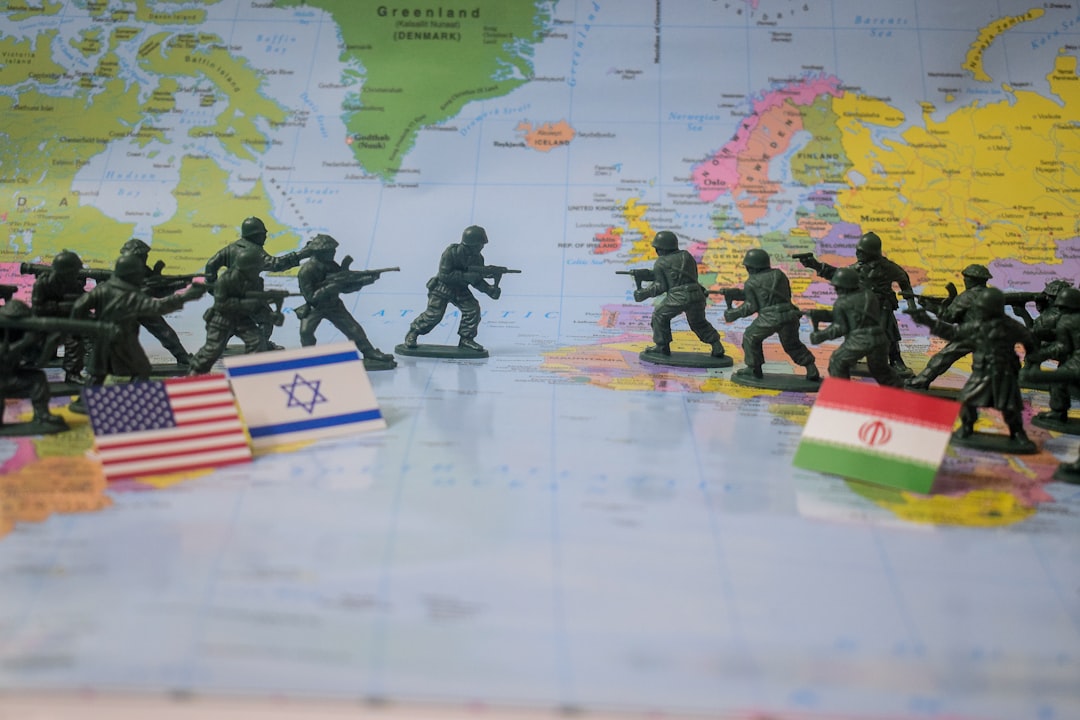
As Iran and the U.S. continue their discussions, the stakes are high not only for their bilateral relationship but also for broader regional and global stability. The dynamics of these negotiations are particularly relevant for professionals interested in international relations and diplomacy. Understanding the nuances of these discussions can provide valuable insights into career paths in global affairs. As the situation evolves, opportunities may arise for those equipped with knowledge of international diplomacy and conflict resolution.
The delicate balance between assertiveness and diplomacy will be crucial in shaping future interactions.
As the talks progress, one must wonder: will Iran’s patience pay off in the long run, or will the urgency of geopolitical pressures force a quicker resolution? The coming weeks may hold the key to answering this pivotal question.
You may also like
 Government & Policy
Global South Climate Payments Tied to Carbon Pricing
Economist Michael Greenstone argues that developing nations should receive compensation for climate damage, but only if they adopt carbon pricing. This approach aims to link…
Read More →