
India has reached a significant milestone in its education sector, boasting over 1.02 crore teachers as of the 2025-26 academic year. However, despite this increase, nearly 10 lakh sanctioned teaching posts remain unfilled, leading to a paradox where schools still report critical shortages of qualified teachers. This situation raises pressing questions about the effectiveness of teacher distribution and the qualifications of those in the classroom.
The latest data from UDISE+ indicates that although the total number of teachers has risen by approximately 8.3% from the previous year, many schools are still struggling to find educators with the right expertise and availability at various educational levels. For instance, 1,00,843 schools in India operated with just one teacher in the 2025-26 academic year, a stark reminder of the ongoing challenges in the system. This situation is particularly alarming given that some schools are located in remote areas, where the lack of infrastructure further complicates the recruitment of qualified teachers.
Understanding the Mismatch in Teacher Supply and Demand
Despite the apparent increase in the number of teachers, the distribution of teachers across different regions and subjects remains uneven. Career Ahead’s analysis of data from the NITI Aayog and TISS reveals that while there are enough teachers in numbers, many schools lack educators who are adequately qualified to teach specific subjects. For example, 35% of schools surveyed reported shortages of mathematics and science teachers, while 31% faced shortages in English and 30% in regional languages. This disparity is not merely a logistical issue; it has profound implications for student learning outcomes. Students in schools lacking qualified teachers in critical subjects may struggle to meet academic standards, which can hinder their future educational and career opportunities.
This mismatch is further complicated by the fact that many teachers do not possess the necessary qualifications for the subjects they teach. The TISS State of Teachers, Teaching and Teacher Education for India (SoTTTER) 2025 findings indicate that only 51% of mathematics teachers had studied mathematics at the undergraduate level. This suggests that while schools may have teachers, they may not be equipped with the right knowledge to deliver quality education. Furthermore, the lack of ongoing professional development for teachers exacerbates this issue, as many educators are not updated on the latest teaching methodologies or curriculum changes, leading to a stagnant educational environment.
Moreover, regional disparities exacerbate the situation. Rural and underserved areas often face higher attrition rates among teachers, leading to significant gaps in educational quality. The NITI Aayog report highlights that pupil-teacher ratios vary substantially by state and level, with some areas struggling to meet even the minimum standards set by the National Education Policy (NEP) 2020. For instance, in states like Bihar and Uttar Pradesh, the pupil-teacher ratio is alarmingly high, which not only affects the quality of education but also contributes to teacher burnout and dissatisfaction. The combination of high workloads and inadequate support systems can lead to a vicious cycle of attrition, further deepening the crisis.
In addition, the recruitment policies in many states are not adequately addressing these issues. The Parliamentary Standing Committee on Education has raised concerns about the absence of a permanent recruitment policy, leading to a reliance on contractual appointments. This inconsistency in hiring practices contributes to the ongoing shortages in specific subject areas and educational levels. The lack of job security associated with contractual positions often deters qualified candidates from applying, as they seek more stable employment opportunities in other sectors.
Rural and underserved areas often face higher attrition rates among teachers, leading to significant gaps in educational quality.
Career Ahead’s analysis finds that this combination of factors creates a complex landscape for teacher recruitment. School administrators must navigate these challenges while trying to fill vacancies with qualified individuals who can meet the specific demands of their institutions. The situation calls for a strategic overhaul in how teachers are recruited, trained, and retained, particularly in areas where shortages are most acute.
Implications for Teacher Recruitment Strategies
The persistent teacher shortages in India necessitate a reevaluation of recruitment strategies. With nearly 10 lakh vacancies, school administrators need to adopt innovative approaches to attract qualified candidates. This includes not only competitive salaries but also improved working conditions and professional development opportunities that can entice teachers to remain in the profession. According to a report by Edunovations, addressing these factors is crucial for retaining teachers, especially in high-demand subjects like mathematics and science.
Furthermore, targeted recruitment efforts should focus on regions and subjects where shortages are most acute. For instance, areas reporting high needs for mathematics and science teachers may require specialized recruitment campaigns that highlight the benefits of teaching in these subjects. By understanding the specific needs of their schools, administrators can better align their hiring practices with the actual demand. Additionally, leveraging technology for recruitment, such as online job portals and social media campaigns, can help reach a broader audience of potential candidates.
Additionally, partnerships with educational institutions can help bridge the gap between teacher training and classroom needs. Collaborating with universities and teacher training colleges can ensure that new educators are better prepared for the challenges they will face in the classroom. This approach can also create a pipeline of qualified teachers who are ready to enter the workforce immediately upon graduation. Such collaborations could also include mentorship programs where experienced teachers guide new entrants, fostering a supportive environment that encourages professional growth.
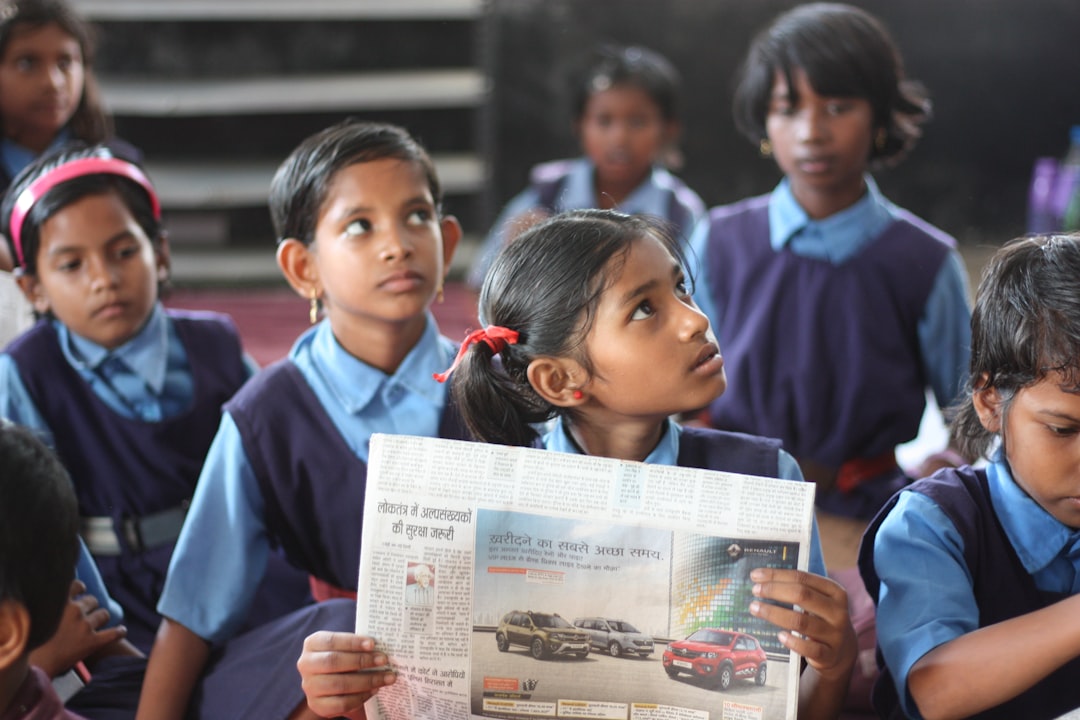
The future of education in India hinges on the ability to effectively address these challenges and ensure that every student has access to quality teaching.
Moreover, administrative policies should be revisited to streamline the hiring process. Reducing bureaucratic hurdles and expediting the recruitment timeline can help schools fill vacancies more quickly. This is particularly important in the context of ongoing teacher attrition and the need for immediate replacements. The emphasis on data-driven recruitment strategies, as suggested by the NITI Aayog, can also aid in identifying trends and patterns that inform better hiring practices.
As the education landscape evolves, it is crucial for school administrators to remain adaptable and proactive in their recruitment strategies. By focusing on the specific needs of their institutions and leveraging partnerships for training, they can work towards alleviating the teacher shortage crisis. The future of education in India hinges on the ability to effectively address these challenges and ensure that every student has access to quality teaching.
As India continues to grapple with the paradox of having more teachers yet facing shortages, the future of teacher recruitment will depend on several key factors. Policymakers and educational leaders must prioritize the alignment of teacher qualifications with subject requirements while fostering an environment that attracts and retains skilled educators.
The upcoming years will likely see increased emphasis on data-driven approaches to recruitment and teacher placement. By utilizing analytics to identify trends and gaps in teacher distribution, educational authorities can make informed decisions that address shortages more effectively. This proactive stance will be essential in ensuring that all students have access to quality education, regardless of their geographical location.
Furthermore, as the education sector adapts to technological advancements, the integration of digital tools in teacher training and recruitment may become more prevalent. Online platforms for teacher training and recruitment can widen the talent pool and facilitate connections between schools and potential candidates.
Ultimately, the question remains: how will India resolve the ongoing teacher shortages while maximizing the potential of its growing teacher workforce? The answers to this question will shape the educational landscape for years to come, influencing not just the quality of education but also the future of countless students across the country.
The answers to this question will shape the educational landscape for years to come, influencing not just the quality of education but also the future of countless students across the country.
Frequently Asked Questions
What are the reasons for teacher shortages in Indian schools?
Career Ahead’s analysis finds that teacher shortages in Indian schools are primarily due to mismatches in subject qualifications, regional disparities, and ineffective recruitment policies. Many schools lack teachers with the necessary expertise, particularly in mathematics, science, and language subjects.
How can school administrators effectively recruit teachers in a saturated market?
School administrators can improve recruitment by focusing on targeted strategies that address specific regional needs and subject shortages. Collaborations with educational institutions and streamlined hiring processes can also enhance the effectiveness of recruitment efforts.

What should teacher recruiters focus on to address the teacher shortage issue?
Teacher recruiters should prioritize aligning teacher qualifications with subject requirements and fostering partnerships with training institutions. Additionally, leveraging data analytics to identify gaps in teacher distribution can aid in making informed recruitment decisions.
Written by Career Ahead AI. AI can make mistakes, so verify key facts. Report errors to support@careeraheadonline.com.