No products in the cart.

Tencent Tests AI Assistant for Its Super App WeChat
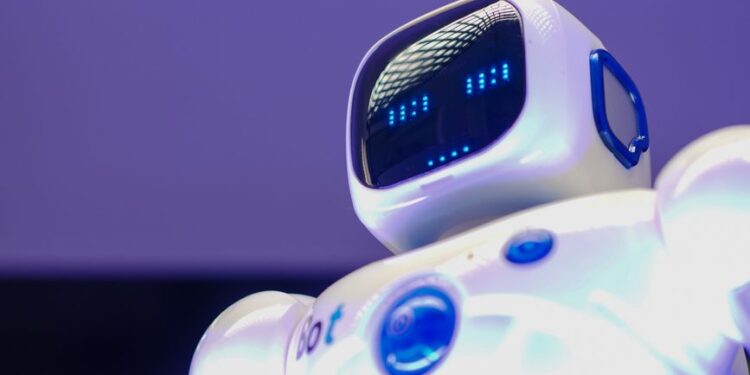
The introduction of Xiaowei comes amid a surge in AI innovations across various sectors in China. As AI technology becomes more integrated into everyday applications, Tencent aims to enhance user engagement and streamline interactions within WeChat. Users can expect features that simplify tasks, potentially increasing the app's stickiness…

Tencent has begun testing its AI assistant, Xiaowei, within its popular super app WeChat, a move that could significantly alter the user experience for its 1.4 billion users. This trial, announced on June 22, 2026, allows a select group of users to interact with Xiaowei through both text and voice commands, leveraging Tencent’s WeLM large language model. This initiative positions Tencent to compete more effectively in China’s rapidly evolving AI landscape.
The introduction of Xiaowei comes amid a surge in AI innovations across various sectors in China. As AI technology becomes more integrated into everyday applications, Tencent aims to enhance user engagement and streamline interactions within WeChat. Users can expect features that simplify tasks, potentially increasing the app’s stickiness and user satisfaction. According to reports from Bloomberg, the assistant is designed to cater to users’ needs by providing personalized responses and facilitating various tasks, which could significantly enhance the overall user experience.
AI Integration in Messaging Apps: A New Era
The integration of AI features into messaging platforms like WeChat is not merely a trend but a significant shift in how users interact with technology. With Xiaowei, Tencent is tapping into the potential of AI to provide personalized experiences that cater to user needs. This aligns with broader industry trends where companies are increasingly adopting AI to enhance user interaction and retention. As highlighted by Tech in Asia, the assistant’s capabilities are expected to evolve, allowing it to manage tasks ranging from scheduling appointments to providing instant information, which positions WeChat to compete with other super apps like Alipay and Douyin.
Career Ahead’s analysis finds that the introduction of AI assistants in messaging apps can lead to improved user engagement metrics.
Career Ahead’s analysis finds that the introduction of AI assistants in messaging apps can lead to improved user engagement metrics. For instance, studies have shown that apps incorporating AI features see a substantial increase in daily active users and session durations. By providing tailored responses and facilitating tasks directly within the app, Xiaowei could enhance the overall user experience, making WeChat not just a messaging platform but a comprehensive digital assistant. Furthermore, as users become accustomed to these advancements, their expectations for seamless, AI-driven interactions will increase, pushing other companies to innovate rapidly.
You may also like
 AI & Technology
Data‑Driven Raise Negotiations Redefine Career Capital
Aiming for a 6%–17% increase positions the request well above the 3.1% average merit increase.
Read More →However, this shift also raises questions about data privacy and user trust. As AI assistants gather and analyze personal data to provide personalized services, ensuring robust privacy measures will be crucial. Tencent’s ability to address these concerns will significantly impact user adoption and engagement with Xiaowei. The company will need to navigate the delicate balance between delivering personalized experiences and protecting user privacy, especially in a market where data security is increasingly scrutinized.
Impact on Product Management Strategies
The rollout of Xiaowei signifies a pivotal moment for product managers in tech, particularly those involved in app development and user experience design. With AI becoming a core element of product strategy, understanding how to leverage these technologies will be essential for success. Product managers must adapt their strategies to incorporate AI features that enhance user satisfaction and engagement.
As seen with Xiaowei, integrating AI requires a shift in how product managers approach user feedback and feature development. Continuous iteration based on user interactions with AI can lead to more refined and effective features. This data-driven approach will allow product teams to stay responsive to user needs and preferences, ultimately driving higher retention rates. Moreover, the introduction of AI assistants like Xiaowei may lead to shifts in job roles within tech companies. AI researchers and developers will need to focus on creating more sophisticated algorithms that can handle complex user interactions and provide meaningful insights. This evolution could lead to increased demand for professionals skilled in AI and machine learning, creating new opportunities within the tech job market.
This evolution could lead to increased demand for professionals skilled in AI and machine learning, creating new opportunities within the tech job market.
You may also like
 AI & Technology
This startup is issuing AI-generated acne prescriptions
Nolla Health's AI system analyzes acne severity and autonomously writes prescriptions for treatments. This pilot program costs $4.99 per month and is available to Utah…
Read More →In addition to reshaping job roles, the integration of AI in WeChat could inspire new product features that capitalize on user data to deliver personalized experiences. Product managers will need to prioritize features that not only meet user expectations but also enhance the overall functionality of the app. The competitive landscape will require teams to innovate continuously, ensuring that they remain at the forefront of technology trends.
As Tencent continues to refine Xiaowei, it will be essential for product managers to monitor user feedback closely. Understanding how users interact with AI will provide valuable insights that can inform future updates and feature rollouts, ensuring that the app remains competitive in a crowded market. Overall, the launch of Xiaowei represents a significant opportunity for product managers to rethink their strategies in light of AI advancements. By embracing these changes, they can drive innovation and enhance user experiences in ways previously thought impossible.
The introduction of Xiaowei marks a significant milestone in the evolution of WeChat and the broader landscape of messaging apps. As AI technology continues to develop, the implications for user engagement and product management strategies will be profound. Companies that adapt quickly to these changes will likely lead the market, while those that hesitate may struggle to keep pace.
Frequently Asked Questions
What features will Tencent’s AI assistant offer for WeChat?
Xiaowei will allow users to interact via text and voice, enabling them to complete various tasks within the app. This includes managing schedules, retrieving information, and providing personalized responses based on user data.
AI researchers should focus on advanced machine learning techniques and data analysis skills.
How can product managers leverage AI in app development?
Product managers can integrate AI features to enhance user engagement and satisfaction. By analyzing user interactions with AI, they can refine features and improve the overall functionality of their apps.

What skills should AI researchers develop to stay relevant in the evolving tech landscape?
You may also like
 AI & Technology
Beam Unveils Affordable AI Model to Disrupt Competitors
Reflection AI's Beam model, launched on October 5, 2026, is set to disrupt the AI market by offering a cost-efficient alternative to leading Chinese models.…
Read More →AI researchers should focus on advanced machine learning techniques and data analysis skills. Understanding user behavior and developing algorithms that can provide personalized experiences will be crucial in the evolving tech landscape.