No products in the cart.

Tesla’s Optimus robot is going through growing pains
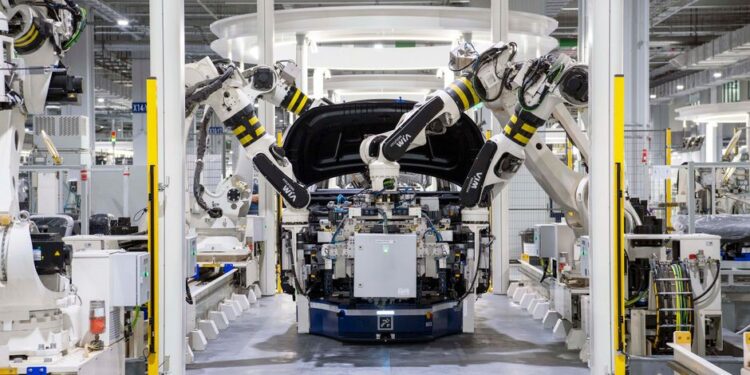
Tesla's Optimus robot is struggling with production challenges, requiring manual assembly for key components, which raises concerns about scalability and technological hurdles.

Tesla’s Optimus robot is encountering significant production challenges as the company aims to ramp up to 20,000 units per week. Currently, production is limited to several hundred robots weekly, following the repurposing of its Model S and Model X production lines. This transition has led to manufacturing snags, particularly in the assembly of the robot’s intricate parts.
As of September 25, 2026, even the latest “V3” Optimus models necessitate manual assembly for critical components such as hands and forearms, each comprising over 100 screws and small parts. This reliance on human labor underscores the complexities of the production process and raises questions about the scalability of Tesla’s humanoid robot project. A report by Jazawta indicates that these production issues are rooted not only in logistics but also in technological challenges associated with creating a functional humanoid robot.
Technical Hurdles in Robotics Production
The production difficulties with Tesla’s Optimus robot reflect broader challenges in the field of humanoid robotics. Precision in assembling smaller, complex components is a significant obstacle. According to analysis from Career Ahead, the intricacies of these parts demand a level of accuracy that current automation technologies struggle to achieve. This issue is not exclusive to Tesla; many robotics companies face similar challenges. For instance, the absence of a fully developed sensing glove complicates matters, as this glove is intended to enhance the robot’s durability and functionality by allowing easier replacement of touch sensors without needing to swap out the entire hand. Until this technology is fully realized, the robots will likely remain limited to internal functions rather than broader commercial applications.
Moreover, integrating advanced AI technologies into the Optimus robot is essential for its success. The AI must effectively control the robot’s movements and facilitate intelligent interactions with its environment. This requires sophisticated algorithms and extensive testing, further complicating the production timeline. As noted by Robot News Today, the anticipated Gen 3 version of the Optimus is expected to feature enhanced AI capabilities, but these advancements hinge on overcoming current manufacturing limitations. Tesla’s decision to lease rather than sell the Optimus robots initially suggests a cautious approach to deploying this technology, indicating a need for further testing before the robots can be trusted for everyday tasks. The company plans to gather data from these leased robots to inform future iterations, which also points to a longer timeline for widespread adoption.
Moreover, integrating advanced AI technologies into the Optimus robot is essential for its success.
Implications for Automation Careers
The challenges faced by Tesla’s Optimus robot carry significant implications for job roles in automation and robotics engineering. As production timelines extend and assembly complexity increases, there is a growing demand for professionals who can innovate and adapt. Career Ahead’s analysis indicates that robotics engineers specializing in automation processes will be crucial in addressing the current limitations of the Optimus project. The reliance on manual labor for assembly suggests that fully automated production lines may take longer to realize, potentially leading to a temporary increase in job opportunities for assembly workers while highlighting the need for engineers capable of designing more efficient automation systems.
Furthermore, as Tesla’s competitors shift towards less lifelike designs for their robots, the landscape of humanoid robotics may evolve. Companies might prioritize functionality over aesthetics, impacting the skill sets required for robotics engineers. Those focusing on practical applications, such as logistics and warehouse automation, may find themselves in higher demand. Additionally, the recent regulatory environment in countries like China, which has slowed down IPO listings for humanoid robotics companies, adds another layer of complexity to the industry. This regulatory scrutiny can affect funding and development timelines, influencing job stability and growth opportunities. As the robotics industry progresses, professionals must stay informed about technological advancements and industry trends, with the ability to pivot and adapt being crucial for sustained career growth in this dynamic field.
Future Innovations in Robotics
The challenges faced by Tesla’s Optimus robot may ultimately drive innovation in robotics and automation. As engineers work to resolve these production issues, new solutions and technologies could emerge. The ongoing development of the Optimus robot reflects Tesla’s ambitious vision and underscores the broader challenges within the robotics industry as it seeks to integrate advanced technologies into practical applications.
Frequently Asked Questions
What are the key challenges in humanoid robot development?
The main challenges include assembling complex parts, precise manufacturing, and integrating advanced AI technologies, all of which complicate production processes and can delay new robotic models.
As the robotics industry progresses, professionals must stay informed about technological advancements and industry trends, with the ability to pivot and adapt being crucial for sustained career growth in this dynamic field.

How does Tesla’s Optimus impact the future of automation jobs?
Tesla’s Optimus highlights the increasing demand for skilled robotics engineers and automation specialists as production challenges arise, necessitating professionals who can innovate and adapt to new technologies.
What skills should robotics engineers focus on to address current industry challenges?
Robotics engineers should develop expertise in AI integration, automation processes, and assembly techniques, while staying updated with industry trends and technological advancements to ensure career growth in this evolving field.
Written by Career Ahead AI. AI can make mistakes, so verify key facts. Report errors to support@careeraheadonline.com.