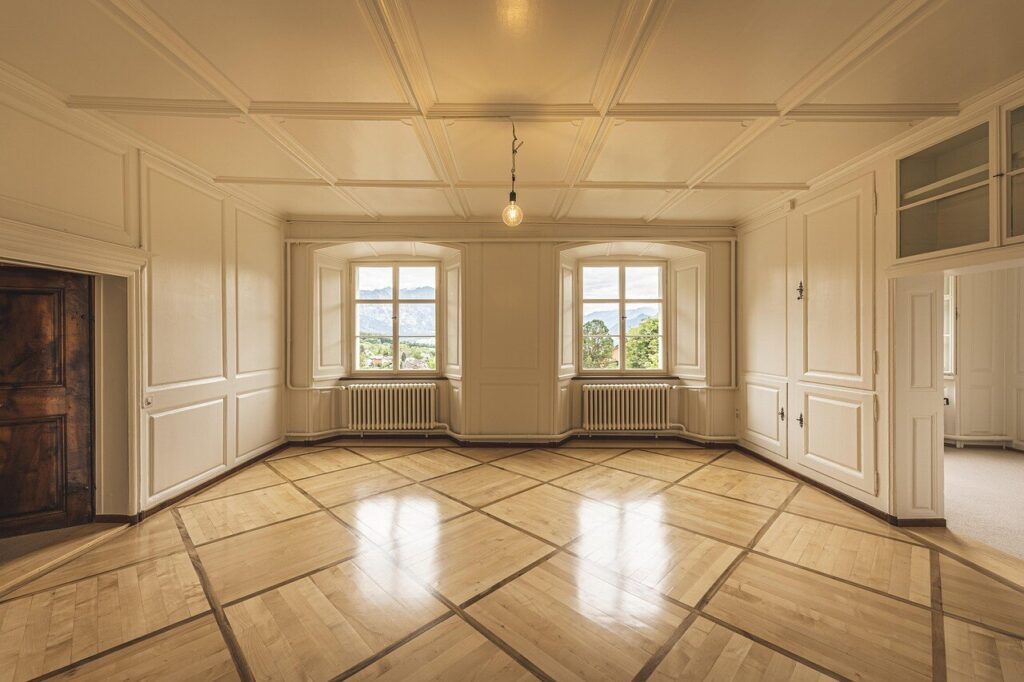
For decades, the journey from a property’s potential to its realized value has been fraught with uncertainty. Renovation, the cornerstone of property enhancement, has traditionally been a labyrinth of subjective decisions, budget overruns, and unexpected delays. Homeowners, investors, and real estate professionals alike have grappled with the inefficiency inherent in transforming spaces. Yet, a seismic shift is underway, propelled by artificial intelligence. Smart renovation platforms, powered by sophisticated algorithms, are not merely optimizing the process; they are fundamentally redefining how properties are enhanced, creating a new paradigm for value creation and opening up a host of career opportunities.

The traditional renovation landscape is notoriously complex. A homeowner embarking on a kitchen remodel faces myriad choices: design aesthetics, material selection, contractor vetting, and the ever-present specter of escalating costs. For a real estate investor, the stakes are higher; every decision impacts return on investment (ROI) and market appeal. Studies consistently point to significant challenges, including an average of 10-15% cost overruns and project delays that can stretch for weeks or months beyond initial estimates [1]. This inefficiency stems from fragmented information, manual processes, and a reliance on human intuition, which, while valuable, can be prone to bias and oversight. The absence of comprehensive data analytics and predictive capabilities has long kept renovation a high-risk, high-reward endeavor.
Enter artificial intelligence, a transformative force now making inroads into this venerable industry. AI-powered smart renovation platforms are designed to inject data-driven precision and efficiency into every stage of property enhancement. These platforms leverage machine learning, computer vision, and predictive analytics to offer insights and automation previously unimaginable. The core promise is simple: to make renovation smarter, faster, more cost-effective, and ultimately, more aligned with market demand and individual preferences.
One of AI’s most profound contributions is in predictive analytics and design optimization. Imagine a system that can analyze millions of data points—local market trends, demographic shifts, property comparables, historical renovation costs, and even social media sentiment—to recommend the most impactful renovations for a specific property. AI algorithms can identify which upgrades (e.g., an open-plan living space versus an additional bathroom) will yield the highest ROI in a particular neighborhood, or which design styles resonate most with potential buyers in a given price bracket. Beyond mere aesthetics, generative AI can produce optimal floor plans and material palettes, considering factors like natural light, energy efficiency, and structural integrity. Virtual staging and augmented reality tools allow stakeholders to visualize proposed changes with unprecedented realism, minimizing costly redesigns and fostering clear communication among homeowners, designers, and contractors [2].
These platforms leverage machine learning, computer vision, and predictive analytics to offer insights and automation previously unimaginable.
The logistical maze of renovation—scheduling trades, managing budgets, procuring materials—is another area ripe for AI intervention. Automated project management platforms, driven by AI, can create optimized timelines, predict potential delays based on historical data, and even suggest alternative solutions in real-time. These systems can track material inventory, automate procurement processes, and match projects with qualified contractors based on their past performance, specialties, and availability. By streamlining these complex workflows, AI reduces administrative burdens, minimizes human error, and ensures projects stay on track and within budget. Furthermore, AI can assist in predictive maintenance, analyzing sensor data from smart homes to anticipate potential issues before they become costly repairs, extending the lifespan of renovations and enhancing long-term property value.
 News
NewsFive Courses Students Can Explore for International Careers
Five course areas are highlighted for international careers, while healthcare eligibility depends on local requirements.
Read More →
Sustainability is no longer a niche concern but a critical imperative, and AI is proving to be a powerful ally in eco-conscious renovations. Platforms can recommend energy-efficient materials, optimize insulation strategies, and even design layouts that maximize natural ventilation and daylight, significantly reducing a property’s carbon footprint. By analyzing climate data and building specifications, AI can suggest the most effective solar panel configurations or smart HVAC systems, contributing to both environmental preservation and long-term cost savings for property owners [3]. This capability is particularly appealing to a growing segment of environmentally aware consumers and investors.
The ripple effects of this AI revolution extend across the entire real estate ecosystem. For homeowners, these platforms offer unprecedented transparency, control, and peace of mind, transforming what was once a stressful ordeal into a guided, data-backed journey. They can visualize outcomes, understand costs upfront, and make informed decisions that align with both their lifestyle and financial goals. Real estate agents gain powerful tools to enhance listings, provide data-driven advice to clients on renovation potential, and ultimately facilitate faster, more profitable sales. By showcasing a property’s optimized future state, agents can unlock hidden value and attract a broader pool of buyers.
Contractors and architects, often seen as traditionalists, are finding AI to be an indispensable assistant. While fears of job displacement persist, the reality is a shift towards augmentation. AI handles the repetitive, data-intensive tasks, freeing up human professionals to focus on complex problem-solving, creative design, and client relationships. Architects can experiment with more innovative designs, confident in the structural and cost implications provided by AI. Contractors can manage multiple projects with greater efficiency, reduce material waste, and improve communication with clients, leading to higher satisfaction and more referrals. For investors and developers, AI de-risks projects by providing precise ROI projections, identifying undervalued assets with high renovation potential, and optimizing portfolio performance. This data-driven approach allows for more strategic capital allocation and accelerates the development cycle.
However, the integration of AI is not without its complexities. Challenges include ensuring data privacy and security, addressing potential algorithmic bias (e.g., if historical data disproportionately favors certain demographics or styles), and managing the initial investment required for platform adoption. The human element remains crucial; AI is a tool to enhance, not replace, human creativity, craftsmanship, and nuanced decision-making. The ethical implications of AI-driven design, such as the potential for homogenization or the loss of unique architectural character, also warrant careful consideration as these technologies mature.
 Entrepreneurship & Business
Europe Adds to Business Regulatory Burden, Speaker Says
The exchange covered deregulation, CBAM, an India-EU trade agreement and trade figures for India’s ties with the EU and the Netherlands.
Read More →Looking ahead, the convergence of AI with other emerging technologies like IoT (Internet of Things) and blockchain will further amplify its impact on real estate renovation. Imagine smart homes that autonomously signal when maintenance is due, or renovation projects managed on a blockchain for immutable transparency and secure payment processing. The career landscape within real estate is already evolving. New roles are emerging for AI architects, data scientists specializing in property analytics, proptech developers, and AI-assisted project managers who can bridge the gap between technology and traditional construction. Existing professionals will need to adapt, embracing digital literacy and collaborative workflows where human ingenuity is amplified by machine intelligence.
By showcasing a property’s optimized future state, agents can unlock hidden value and attract a broader pool of buyers.
The era of guesswork in property enhancement is rapidly receding. AI-powered smart renovation platforms are ushering in an age of precision, efficiency, and unprecedented value creation. As these technologies become more sophisticated and accessible, they will empower individuals and businesses to transform properties not just with bricks and mortar, but with intelligence and foresight. The fusion of human creativity with algorithmic precision promises a future where property enhancement is not just smarter, but more accessible, sustainable, and ultimately, more valuable for everyone involved, setting the stage for a dynamic and innovative career trajectory in the years to come.
Sources: Construction Industry Report: Cost Overruns & Delays, Journal of Real Estate Technology: AI in Property Design, Sustainable Building Council: AI for Green Renovation
Written by Career Ahead AI. AI can make mistakes, so verify key facts. Report errors to support@careeraheadonline.com.