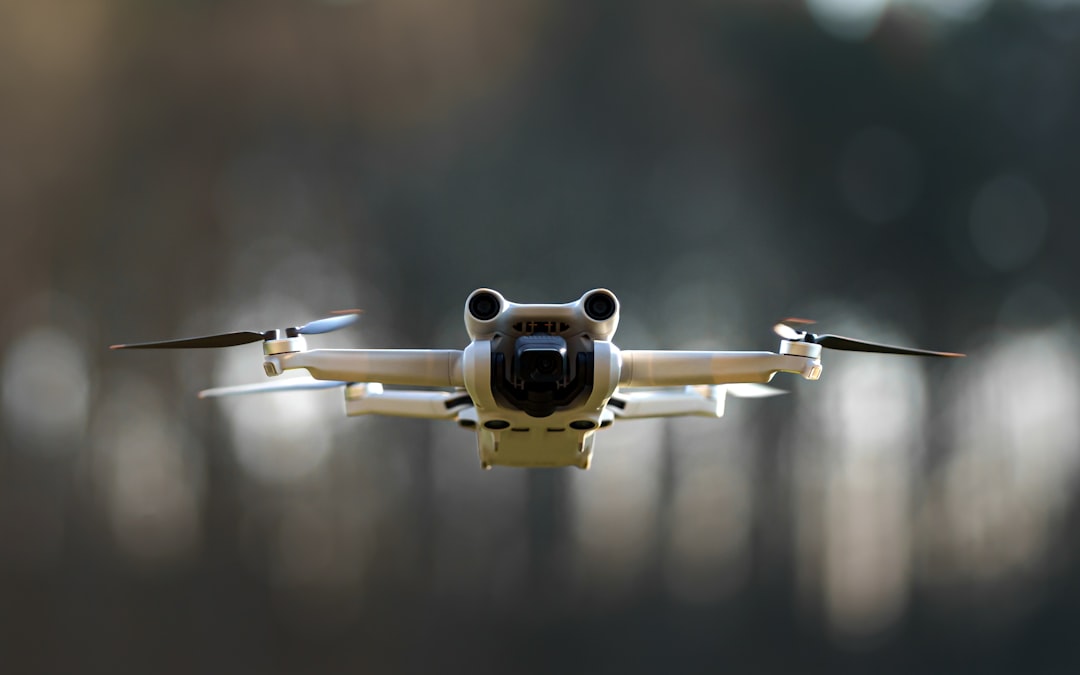
Washington, D.C. — The Federal Communications Commission (FCC) has taken a significant step by banning the import of foreign-made drones, particularly targeting companies like DJI. This decision, announced on December 23, 2025, adds drones to the FCC’s Covered List, which identifies communications equipment posing unacceptable risks to national security. The ban means that new drones manufactured in foreign countries can only be imported if recommended by the Department of Defense or the Department of Homeland Security.
The implications of this ban are profound, especially for DJI, a leading manufacturer of drones globally. The FCC’s ruling stems from growing concerns regarding the safety and security of U.S. persons and the potential risks associated with foreign-made technology. Adam Welsh, DJI’s head of global policy, expressed disappointment over the decision, highlighting the broader impact on the drone industry and innovation.
As drones become increasingly integral to various sectors, including agriculture, delivery services, and surveillance, this ban could stifle technological advancements and limit options for consumers and businesses in the U.S. The FCC’s action reflects a broader trend of tightening regulations around foreign technology, particularly from countries perceived as security threats.
Why the FCC’s Drone Ban Matters for DJI
The FCC’s decision to include drones in its Covered List is a strategic move aimed at safeguarding national interests. This ban primarily affects DJI, which has faced scrutiny over its ties to China and concerns about data security. The company has been a dominant player in the drone market, with a significant share in both consumer and commercial segments. According to a recent report, DJI controls approximately 70% of the global consumer drone market.
As drones become increasingly integral to various sectors, including agriculture, delivery services, and surveillance, this ban could stifle technological advancements and limit options for consumers and businesses in the U.S.
This ban comes at a time when DJI has been expanding its product offerings and market presence in the U.S. The company has invested heavily in research and development to enhance its technology and maintain its competitive edge. However, the FCC’s ruling could hinder these efforts, limiting DJI’s ability to sell its products in one of the world’s largest markets.
Moreover, the implications extend beyond DJI. The ban could create a ripple effect in the drone industry, affecting suppliers, retailers, and consumers. Companies that rely on DJI’s technology for their operations may need to seek alternatives, potentially leading to increased costs and reduced innovation in the sector. This shift could also open doors for domestic drone manufacturers to fill the void left by DJI, but the transition may not be seamless.
Career Implications for Professionals in the Drone Industry
The FCC’s ban on foreign drones will have significant career implications for professionals in the drone industry, particularly those working with DJI or similar companies. As the regulatory landscape evolves, understanding these changes is crucial for career development. Here’s how this ban could shape career paths:
Job Opportunities: The ban may lead to increased job openings in domestic drone manufacturing companies. As businesses look for alternatives to DJI, they may seek skilled professionals to help develop and market new products.
Skill Development: Professionals may need to upskill or pivot their careers towards emerging domestic drone companies. Learning about U.S. regulations and compliance standards will be essential for those looking to stay relevant in the industry.
Networking: Building connections with domestic manufacturers and industry leaders can provide valuable insights and opportunities. Engaging with professional organizations and attending industry events can help professionals navigate this changing landscape.
What You Can Do Now to Adapt
To thrive in the evolving drone industry landscape shaped by the FCC’s ban, consider taking proactive steps:
Update Your Skills: Enroll in courses focused on U.S. drone regulations and domestic manufacturing processes. Platforms like Coursera and Udemy offer relevant programs that can enhance your knowledge.
Expand Your Network: Join industry groups and forums to connect with professionals in the domestic drone sector. Networking can lead to job opportunities and collaborations.
Stay Informed: Keep abreast of regulatory changes and market trends. Subscribe to industry publications and follow key organizations to stay updated on developments that may impact your career.
However, experts warn that this trend may not be sustainable. While the ban aims to protect national security, it could hinder technological advancements in the drone industry. A recent study by the Brookings Institution suggests that overregulation may stifle innovation and competitiveness, ultimately harming consumers.
Project Jagrook aims to combat the influence of anonymous financial advisors and so-called "finfluencers," who often provide misleading advice to unsuspecting retail investors.
Skill Development: Professionals may need to upskill or pivot their careers towards emerging domestic drone companies.
The Future of DJI and the U.S. Drone Market
The future of DJI and the broader U.S. drone market remains uncertain following the FCC’s ban. As the regulatory environment continues to evolve, companies will need to adapt quickly to remain competitive. Domestic manufacturers may rise to prominence, but they will face challenges in matching DJI’s technological prowess and market reach.
As the industry shifts, professionals must remain agile and open to new opportunities. The landscape may change dramatically in the coming years, with potential for innovation in domestic drone technology. Will the U.S. market embrace new players, or will DJI find ways to navigate these regulatory hurdles? The answers to these questions will shape the future of the drone industry and the careers of those within it.




AI & Technology
Government & Policy