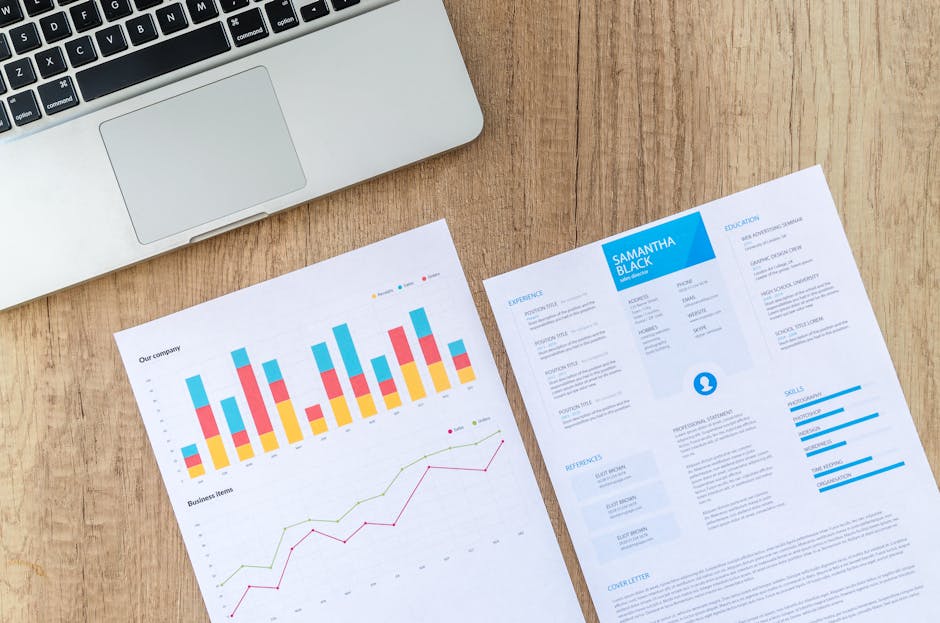
Washington, D.C. — The Federal Reserve is taking a cautious approach as it monitors an uncertain economy. With inflation remaining elevated yet steady, and the job market showing resilience, economists predict that the Fed will maintain interest rates at their current levels for the foreseeable future. This decision is crucial for young professionals and job seekers, as it directly impacts borrowing costs, investment opportunities, and overall economic stability.
As of late January 2026, the Fed has not indicated any immediate plans to alter its interest rate policy. This reflects a broader trend of economic stability, despite ongoing inflation concerns. The job market remains robust, with low unemployment rates, which suggests that many sectors are still hiring. However, the question remains: how long can this stability last?
The Fed’s decision to hold off on rate changes is significant. It signals to businesses and consumers that the central bank is prioritizing economic stability over aggressive monetary policy changes. For recent graduates and young professionals, this could mean a more favorable environment for job hunting, as companies may feel more confident investing in new hires and expanding their operations.
Why the Fed Is Holding Steady on Interest Rates
One of the primary reasons the Federal Reserve is maintaining its current interest rates is the balance between inflation and employment. According to the latest data, inflation has stabilized, hovering around 3.5% annually. While this is above the Fed’s target of 2%, it is not accelerating at the same pace as seen in previous years. This stability allows the Fed to take a wait-and-see approach without risking economic overheating.
In fact, many sectors, particularly technology and healthcare, are still experiencing growth and demand for skilled workers.
The job market is another critical factor. Jobless claims have remained low, indicating that workers are not being laid off in significant numbers. In fact, many sectors, particularly technology and healthcare, are still experiencing growth and demand for skilled workers. This environment could encourage the Fed to hold off on rate hikes, as higher rates could slow down hiring and wage growth.
Furthermore, the Fed is mindful of global economic conditions. International markets are still recovering from the impacts of recent economic downturns. By keeping interest rates steady, the Fed aims to avoid exacerbating any potential downturns both domestically and abroad. This cautious stance reflects a broader strategy to maintain economic growth while managing inflationary pressures.
How This Affects Your Financial Decisions
 Government & Policy
Impact of US Trade Deal Stalemate on India’s Economy and New FTAs
The failure to finalize the US trade deal poses significant challenges for India's economy. However, the Reserve Bank of India's insights reveal that new free…
Read More →The Federal Reserve’s current approach has several implications for your finances. For those looking to buy homes or invest in education, keeping interest rates stable means lower borrowing costs. Mortgages and student loans may remain affordable, allowing you to take on new financial commitments without the burden of rising interest rates.
However, the Fed’s inaction also means that inflation will continue to erode purchasing power. As prices rise, the value of your money decreases, affecting everything from groceries to rent. Young professionals must be proactive in managing their budgets and investments to counteract these inflationary effects.
For job seekers, the Fed’s steady interest rates signal a stable job market. Companies are more likely to invest in talent when they feel confident about the economy. This is an opportune time to seek new employment or negotiate salary increases, especially in high-demand fields. Additionally, consider diversifying your skill set to enhance your employability in a competitive market.
Young professionals must be proactive in managing their budgets and investments to counteract these inflationary effects.
- Stay informed: Regularly check updates from the Federal Reserve and economic reports to understand how shifts may impact your financial situation.
- Budget wisely: Adjust your spending habits to account for inflation. Consider setting aside savings to buffer against rising costs.
- Invest in skills: Look for courses or certifications that align with industry demands to improve your marketability.
- Network actively: Engage with professionals in your field to learn about job opportunities and industry trends.
However, experts warn that this trend may not be sustainable. A recent analysis from the Brookings Institution suggests that while the current job market appears strong, it could quickly shift if inflation rises again or if global economic conditions worsen. This uncertainty means that young professionals should remain cautious and prepared for potential changes.
What Lies Ahead for the Federal Reserve
Looking forward, the Federal Reserve’s policies will likely continue to evolve based on economic indicators. If inflation begins to rise again, we could see a shift in the Fed’s stance, potentially leading to interest rate hikes. This would impact borrowing costs and could slow down job growth.
 News
NewsIIM Calcutta Records 100% Summer Placements, Record Stipend
Consulting led recruiting with 220 offers; the placement season ended ahead of schedule during Cluster 3.
Read More →As a young professional, staying informed about these changes is crucial. Understanding the economic landscape will help you make informed decisions about your career and finances. Are you prepared to adapt to potential shifts in the job market and economic conditions? Keeping an eye on the Fed’s actions will be key to navigating your financial future successfully.
Written by Career Ahead AI. AI can make mistakes, so verify key facts. Report errors to support@careeraheadonline.com.