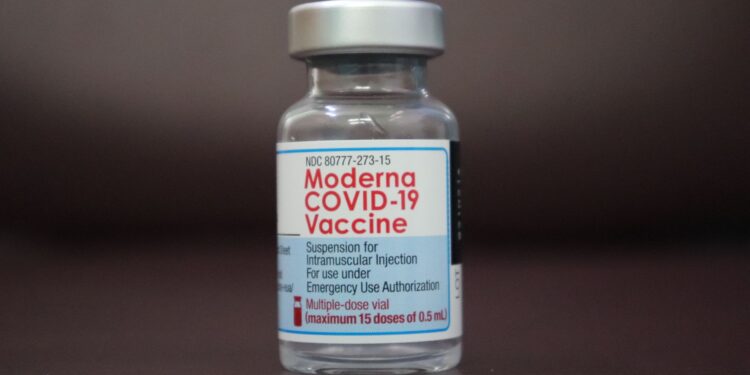
The U.S. Food and Drug Administration granted approval to Moderna’s mRNA flu shot, mFLUSIVA, on August 5, 2026. The decision follows a unanimous recommendation from the agency’s advisory panel on June 18, 2026.
The Food and Drug Administration announced on Wednesday, August 5, 2026, that it had approved mFLUSIVA, the first messenger RNA (mRNA)–based seasonal influenza vaccine in the United States [1]. The approval applies to adults aged 50 years and older and is slated for distribution during the 2026-2027 respiratory season [2].
Moderna, the biotechnology firm that developed mFLUSIVA, submitted the vaccine for review after completing Phase III clinical trials that demonstrated safety and efficacy in the target age group [3]. The FDA’s Vaccines and Related Biological Products Advisory Committee voted 9-0 in favor of recommending the vaccine on June 18, 2026, after which the agency reversed an earlier decision not to review the application [1].
Regulatory Process and Timeline
The advisory committee’s unanimous vote on June 18, 2026, marked the first formal endorsement of an mRNA flu vaccine by a U.S. regulatory body [4]. The panel’s recommendation triggered a rapid review by the FDA, which had previously declined to accept Moderna’s filing earlier in the year [1].
Following the panel’s vote, the FDA issued a final approval on August 5, 2026, making mFLUSIVA the only mRNA flu vaccine authorized for use in the United States at that time [2]. The agency’s approval letter cited data from a multinational Phase III trial involving more than 30,000 participants aged 50 and older [3].
Regulatory Process and Timeline The advisory committee’s unanimous vote on June 18, 2026, marked the first formal endorsement of an mRNA flu vaccine by a U.S.
Vaccine Characteristics and Target Population
FDA Approves Moderna’s mRNA Flu Vaccine, mFLUSIVA, for Adults 50 and Older
mFLUSIVA utilizes the same lipid-nanoparticle delivery platform employed in Moderna’s COVID-19 vaccines [1]. The formulation encodes hemagglutinin antigens from the four influenza strains selected for the 2026-2027 season [2]. Clinical trial results indicated a relative vaccine efficacy of 55% against laboratory-confirmed influenza illness in the target age group [3].
The FDA’s labeling restricts use to adults 50 years of age and older, a demographic that historically experiences higher rates of flu-related complications and hospitalizations [2]. Moderna announced plans to scale manufacturing capacity to meet projected demand for the 2026-2027 season, with distribution through existing pharmacy and health-system channels [3].
School districts across the United States have reported declining influenza vaccination rates among staff and families of students [4]. By providing an mRNA option for older adults, the approval of mFLUSIVA is expected to increase overall community immunity, potentially reducing flu transmission in school environments [2].
Public health officials indicated that higher vaccination coverage among adults 50 and older could lower the incidence of flu-related absenteeism among teachers and support staff, thereby supporting uninterrupted instructional time [1]. The Centers for Disease Control and Prevention (CDC) has incorporated mFLUSIVA into its seasonal flu vaccination recommendations for the 2026-2027 season [3].
Immediate Effects for Students, Educators, and Institutions
FDA Approves Moderna’s mRNA Flu Vaccine, mFLUSIVA, for Adults 50 and Older
Students and educators may experience fewer flu outbreaks as older household members receive the new vaccine [4]. Schools that partner with local health providers can now offer mFLUSIVA as part of on-site vaccination clinics for eligible adults [2].
Healthcare providers are advised to discuss the availability of mFLUSIVA with patients 50 and older, emphasizing its comparable safety profile to traditional flu vaccines and its novel mRNA technology [3]. Institutions that maintain employee health programs can incorporate the vaccine into annual flu-prevention strategies without delay [1].
Key Facts
Implications for School Immunization Programs School districts across the United States have reported declining influenza vaccination rates among staff and families of students [4].
What: FDA approves Moderna’s mRNA flu vaccine, mFLUSIVA, for adults 50 and older.
When: Approval announced August 5, 2026; advisory panel recommendation June 18, 2026.
Federal and state regulators have launched enforcement actions as the U.S. medical‑spa industry expands, highlighting unregulated aesthetic treatments.




 News
News
News