No products in the cart.

The Future of College Education
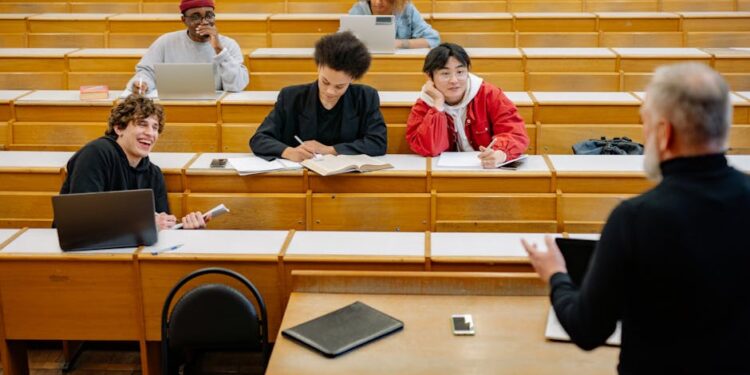
The recent debate on the role of higher education has sparked discussions on its purpose and necessity in today's job market.


In the United States, a significant debate has emerged about the purpose of higher education. Recent discussions, fueled by a Yale report, question whether traditional college degrees remain essential for success. Critics argue that the system needs reform to better align with today’s job market and the skills employers seek.
According to a recent article, many believe that higher education often fails to prepare students for real-world challenges. A growing number of employers now prioritize skills over degrees, suggesting a shift in how education is perceived. This change has prompted educators and policymakers to reconsider the structure and objectives of higher education.
Changing Employer Demands
Employers are increasingly looking for practical skills rather than formal qualifications. A report from the U.S. Department of Education highlights how many companies are adopting skill-based hiring practices. This trend reflects a broader acknowledgment that traditional degrees do not always equate to job readiness.
For instance, tech companies frequently seek candidates with specific skill sets, such as coding or data analysis, regardless of their educational background. This shift challenges the long-held belief that a college degree is a guaranteed pathway to employment. As a result, many students are left questioning the value of their investment in higher education.
Moreover, the rise of alternative education platforms, such as coding boot camps and online courses, offers viable pathways to employment. These options often provide targeted training that aligns directly with industry needs. The growing acceptance of these alternatives indicates a significant transformation in the educational landscape.
The Yale report has reignited discussions on the need for reform in higher education.
Advocating for Educational Reform
The Yale report has reignited discussions on the need for reform in higher education. Many experts argue that colleges must adapt to the changing job market. They advocate for curricula that emphasize practical skills and real-world applications.
According to a study from Teachers Institute, higher education should not only impart knowledge but also foster critical thinking and problem-solving abilities. This approach would better prepare students for the complexities of modern work environments. The current model, which often emphasizes theoretical knowledge, may not suffice in meeting these demands.
You may also like
 Education & University Insights
SAT Schism Roils University of California System
The test-free policy was introduced as part of a broader movement towards equitable admissions practices. Advocates argued that standardized tests disproportionately affected students from disadvantaged…
Read More →Furthermore, the report suggests that institutions should collaborate more closely with industries. By doing so, colleges can ensure that their programs remain relevant and responsive to evolving workforce needs. This partnership could lead to more internships and hands-on experiences, bridging the gap between education and employment.
Historical Evolution of Higher Education
The concept of higher education has evolved significantly over the decades. Initially, colleges primarily served the elite, focusing on classical education. However, the post-war era saw a dramatic increase in enrollment, driven by the GI Bill and a growing demand for skilled labor.
Addressing these issues is crucial for ensuring that higher education fulfills its promise as a pathway to opportunity.
As society progressed, the role of higher education expanded to include broader access and diversity. According to Wikipedia, this evolution reflects changing societal values and economic needs. Today, higher education is often viewed as a necessary step for upward mobility, yet questions remain about its effectiveness.
Despite these advancements, disparities in access and quality persist. Many students still face barriers to entry, including financial constraints and inadequate preparation. Addressing these issues is crucial for ensuring that higher education fulfills its promise as a pathway to opportunity.

Economic Consequences of Educational Trends
The ongoing debate about the purpose of higher education has significant implications for the economy. As employers prioritize skills, the traditional degree may lose its value. This shift could lead to a workforce that is more adaptable and better equipped to meet industry demands.
However, if colleges do not evolve, they risk becoming irrelevant. The potential decline in enrollment could have far-reaching economic consequences. Fewer graduates may translate to a skills gap in the labor market, hindering economic growth.
Student Perspectives on Higher Education Value

Moreover, the emphasis on skill-based hiring may exacerbate existing inequalities. Those who cannot afford alternative education options may find themselves at a disadvantage. Ensuring equitable access to education and training will be vital in creating a fair and competitive job market.
You may also like
 Education & University Insights
Tuskegee University Bans Bonnets, Students Challenge Policy
Tuskegee University has banned bonnets and durags, igniting a debate on cultural expression among students. This policy reflects a broader trend at HBCUs where students…
Read More →
Student Perspectives on Higher Education Value
For many students, the rising costs of higher education raise questions about its value. While a degree can open doors, the financial burden often leads to significant debt. Many students are now weighing the potential return on investment of their education.
Students are increasingly seeking programs that offer practical skills and job placement assistance. They want assurance that their education will lead to viable employment opportunities. This demand influences how colleges structure their programs and engage with industries.
As a result, institutions may need to rethink their marketing strategies. Highlighting successful alumni and partnerships with employers could attract prospective students. This shift in focus could help colleges remain competitive in a changing educational landscape.