No products in the cart.

China’s Rare Earth Controls Disrupt Electric Motor Production
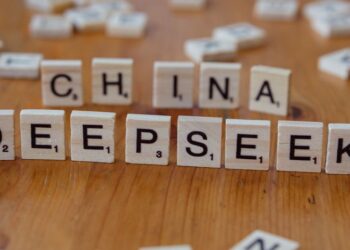
China's recent export controls on rare earth materials threaten electric motor manufacturing and defense technologies, prompting industries to adapt to avoid production delays.

China has imposed new export controls on rare earth materials. This affects shipments to 14 companies in Europe. Announced on July 24, 2026, this decision impacts sectors vital to electric motor manufacturing and defense technology. These controls could reshape global supply chains and the operations of businesses that rely on these essential materials.
The new regulations come as tensions rise between China and Western nations over technology and trade. By limiting access to rare earth elements, China is using its strong position in the rare earth market. This situation requires immediate attention from engineers and supply chain managers in affected industries.
Disruption of Electric Motor Manufacturing
Electric motors are key components in many applications, including electric vehicles and industrial machinery. China’s recent export controls threaten to disrupt production timelines and raise costs for manufacturers. Career Ahead’s analysis shows that these restrictions could delay the delivery of critical components, significantly impacting the electric vehicle sector.
According to DNYUZ, the export bans target companies leading in electric motor design and production. This may force manufacturers to find alternative suppliers. Such changes could increase costs and extend production lead times. Electric motor design engineers must adapt by exploring alternative materials or redesigning components to lessen reliance on rare earth elements.
The impact of these controls extends beyond immediate supply chain disruptions. Long-term consequences could reshape the electric motor industry’s competitive landscape. Companies that quickly pivot to alternative sourcing strategies may gain a significant edge. This shift could lead to more competition among suppliers of rare earth materials outside China as manufacturers diversify their supply chains.
In this context, chemical engineers involved in electric motor design will need to innovate quickly. They may need to develop new methods for integrating alternative materials or improving designs that rely less on rare earth elements. The pressure to maintain performance while reducing dependency on these materials will be a critical challenge ahead.
Impact on Defense Technology Development The defense sector is especially vulnerable to China’s export controls.
[[INLINE_IMAGE]]
You may also like
 Industry & Global Trends
AI Talent Race Between US and China Is the Next Battleground
The competition for AI talent between the US and China is growing, with significant implications for job opportunities and recruitment strategies in the field. The…
Read More →Impact on Defense Technology Development
The defense sector is especially vulnerable to China’s export controls. Many advanced defense technologies, like missile guidance systems and radar equipment, rely heavily on rare earth materials. These restrictions could delay critical defense projects, as noted by reports from Reuters.
China’s export restrictions to European companies also raise national security concerns. As countries work to secure their defense supply chains, reliance on Chinese materials poses a significant risk. Career Ahead research suggests that nations may need to invest more in domestic production or seek partnerships with alternative suppliers to reduce these risks.
Moreover, the geopolitical implications of these export controls could prompt a reevaluation of defense procurement strategies. Defense technology managers must consider potential supply interruptions and the need for resilient supply chains. This may involve exploring partnerships with countries that have access to rare earth materials or investing in research to develop substitutes.
The urgency of these developments cannot be overstated. As tensions between China and Western nations rise, the need for strong defense capabilities will drive demand for rare earth materials. Companies in defense technology must act quickly to adapt to this changing landscape to avoid falling behind in critical projects.
Career Ahead’s analysis indicates that recent developments require supply chain managers to reassess their sourcing strategies.
Wider Implications for Supply Chain Managers
China’s export controls reflect a broader trend of geopolitical tensions affecting supply chains in high-tech industries. Supply chain managers in technology sectors must navigate a complex landscape where reliance on a single source for critical materials poses significant risks.
Career Ahead’s analysis indicates that recent developments require supply chain managers to reassess their sourcing strategies. Diversifying suppliers and exploring alternative materials will be crucial to mitigate risks tied to geopolitical tensions. This shift may also encourage companies to invest in research and development to find substitutes for rare earth materials.
You may also like
 Industry & Global Trends
Hormuz Crude Oil Exports Near Pre-War Levels
The return to pre-war export levels is crucial as it indicates a stabilization in the oil market. Producers and shipping industries have adapted by employing…
Read More →Additionally, competition for alternative suppliers is likely to increase. Countries like Australia and the United States are boosting their production of rare earth materials. Supply chain managers must stay informed about these changes and be ready to adjust their sourcing strategies accordingly.
Given these changes, the role of supply chain managers will evolve. They will need to focus not only on operational efficiency but also on strategic foresight. Anticipating potential disruptions and developing contingency plans will be essential for ensuring continuity in production.
The implications of China’s export controls go beyond immediate supply chain disruptions. As industries adapt, the landscape of electric motor manufacturing and defense technology will transform significantly. Companies that innovate and pivot quickly will likely emerge stronger in this new environment.
As the situation evolves, it will be crucial to monitor how companies respond to these export controls. Will they successfully establish alternative supply chains, or will they struggle to adapt to the new realities of sourcing rare earth materials? The answers to these questions will shape the future of electric motor manufacturing and defense technology development.
The answers to these questions will shape the future of electric motor manufacturing and defense technology development.
Frequently Asked Questions
What are the implications of China’s export controls for chemical engineers in defense?
Career Ahead analysis shows that chemical engineers in defense will face increased pressure to innovate and develop alternatives to rare earth materials. As export controls disrupt supply chains, engineers must find ways to maintain performance while reducing dependency on these critical elements.
How can electric motor design engineers adapt to supply chain disruptions?
Electric motor design engineers can adapt by exploring alternative materials and redesigning components to minimize reliance on rare earth elements. This may involve investing in research to develop new technologies that can replace or reduce the need for these materials.
What should supply chain managers in technology do about the rare earth export restrictions?
You may also like
 Industry & Global Trends
Man Charged
A US national has been charged with illegally exporting Nvidia chips to China, raising significant compliance and legal concerns in the semiconductor industry.
Read More →Supply chain managers in technology must reassess their sourcing strategies in light of China’s export restrictions. Diversifying suppliers and staying informed about geopolitical developments will be essential to mitigate risks and ensure continuity in production.