No products in the cart.

The Impact of CEO Personality on Organisational Culture

Explore how CEO personality traits shape organisational culture, influencing performance, employee engagement, and long-term legacy.

“`html
The CEO’s Shadow: How Personality Shapes Culture
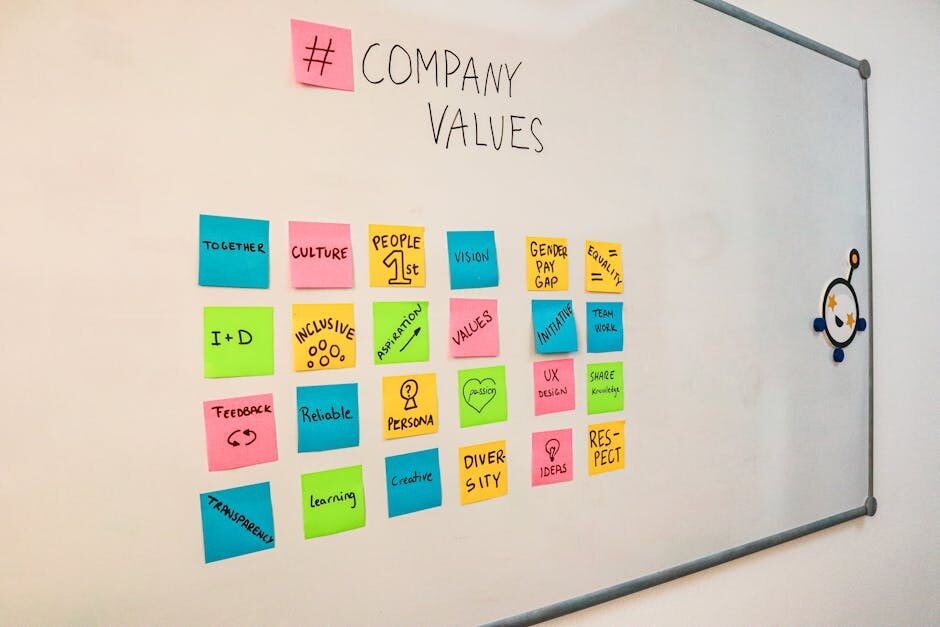
Organisational culture is a key factor in performance, but how it develops is still debated. A new study from the Oxford Review reveals that a CEO’s personality is a major influence on cultural development. By examining CEO traits across various companies, researchers found that a leader’s personality becomes more impactful over time, embedding itself into daily practices.
Traits in Action
Three personality traits stand out:
- Openness to experience – CEOs who value curiosity and experimentation foster cultures that encourage innovation, accept failure, and promote collaboration.
- Conscientiousness – Detail-oriented leaders create structured processes, clear performance metrics, and a strong focus on reliability.
- Extraversion – Charismatic CEOs promote open communication, recognition programs, and an environment where employee input is valued.
These traits influence leadership style (transformational vs. transactional), decision-making approaches (consensus vs. top-down), communication tone, reward systems, and change management. When a CEO’s personality matches the strategic agenda, cultural alignment occurs quickly; misalignment can hinder performance for years.
Quantifying the Cultural Ripple
The Oxford Review analysis connects CEO personality to measurable outcomes. Companies with open CEOs report higher employee engagement, while conscientious leaders see better safety compliance and fewer defects. Extraverted CEOs correlate with higher customer satisfaction, indicating that their leadership style enhances service quality.
In 2024, scholars published 174,540 academic works on organisational culture, highlighting the field’s importance and the need to understand its drivers.
In 2024, scholars published 174,540 academic works on organisational culture, highlighting the field’s importance and the need to understand its drivers.
From Leadership to Legacy: The Long-Term Impacts
Culture is a lasting legacy that can outlive its creator. The study shows that a CEO’s cultural impact persists beyond their tenure, especially under three conditions.
You may also like
 Government & Policy
BT Expands Reach with TalkTalk Acquisition
The acquisition is seen as a strategic necessity for BT, allowing it to consolidate its position in a market that has seen increasing pressure from…
Read More →Strength of the Trait Signature
When a CEO’s personality is strong—whether driven by precision or risk-taking—their behaviors become part of policies and norms. Successors often navigate a landscape shaped by these established practices.
Depth of Employee Commitment
High employee engagement amplifies the CEO’s influence. Committed employees internalise the leader’s values, reflecting them in interactions and performance discussions. Low commitment can weaken this impact, leading to fragmented cultures.
External Pressures and Governance
Market changes, regulatory scrutiny, and stakeholder activism can strengthen or weaken a CEO-driven culture. In regulated industries, a conscientious CEO’s focus on compliance often becomes part of governance structures. In fast-paced sectors, an open-minded CEO’s experimental approach may be challenged by market demands during crises.
For boards, this means selecting candidates based not only on strategic skills but also on the lasting impact of their personality. development programs that connect CEOs with cultural leaders—like HR and senior managers—can enhance the leader’s long-term influence.
Industry Variations: A Closer Look at Cultural Differences
The study shows that CEO personality impacts vary by industry. Two main clusters emerge: knowledge-intensive sectors and regulated, asset-heavy industries.
Knowledge-Intensive Fields
In technology, biotech, and consulting, openness and extraversion are crucial. Companies that prioritize rapid innovation thrive under CEOs who embrace curiosity and engagement. Cultural practices like hackathons and flat hierarchies reflect this experimental spirit.
You may also like
 Entrepreneurship & Business
College Students Shape the Future of A.I. Investment
College students are increasingly influencing the A.I. investment landscape, with initiatives like Dorm Room Fund raising substantial capital. This shift highlights the growing importance of…
Read More →However, these traits can be problematic in environments that require precision and risk management. A CEO who prefers bold changes may clash with a workforce used to strict validation, leading to cultural conflicts and turnover.
For boards, this means selecting candidates based not only on strategic skills but also on the lasting impact of their personality.

Regulated and Asset-Heavy Sectors
Industries like manufacturing, energy, and finance value conscientiousness and a cautious approach. Here, a CEO’s focus on safety and compliance leads to lower incident rates and stable performance. Cultural elements like standard operating procedures and audits reflect the leader’s disciplined nature.
Even in these sectors, extraversion can be beneficial. CEOs who communicate openly with regulators and the public can build trust and reduce reputational risks.
National and Societal Contexts
Societal culture also influences the CEO-culture relationship. In collectivist societies, humility and consensus-building are emphasized, while individualist markets favor assertiveness and visionary leadership. The interaction between national norms and CEO personality can either enhance cultural alignment or create friction.
Critical Insights for Current and Aspiring Leaders
- Personality is a strategic asset. Boards should include psychometric profiling in succession planning, as a CEO’s traits will shape culture for years.
- Cultivate cultural resilience. Companies that implement adaptable practices—like continuous feedback—can survive leadership changes without losing culture.
- Tailor leadership development to industry needs. Training that enhances openness for tech leaders or conscientiousness for manufacturing executives aligns personal growth with industry demands.
- Prioritise employee engagement. Engaged employees help translate the CEO’s vision into daily practices, protecting it from external challenges.
- Monitor external pressures. Changes in regulations and market conditions can amplify or diminish a CEO’s influence; proactive governance can help manage these effects.
Strategic Perspective: Steering the Future of Culture
As the global economy becomes more interconnected and faces rapid changes, a CEO’s personality will play a crucial role in shaping culture. Leaders who understand the lasting impact of their traits—realizing that their current communication style may become future norms—will be better equipped to create high-performing and resilient workplaces.
You may also like
 Entrepreneurship & Business
Earnings Must Validate AI Investments
Tiffany McGhee emphasizes the need for companies to demonstrate the effectiveness of their AI investments in earnings reports, as global AI spending is projected to…
Read More →For future executives, the message is clear: mastering strategy alone is not enough. Aligning personal traits with the evolving needs of industry, workforce, and society will be key to achieving lasting cultural success.
<img width="1024" height="576" src="https://careeraheadonline.com/wp-content/uploads/2026/03/SvYifX5HkeQ-1024×576.jpg" class="oaa-inline-image" alt="" style="display:block; margin:20px auto; max-width:100%; height:auto; border-radius:8px;" decoding="async" srcset="https://careeraheadonline.com/wp-content/uploads/2026/03/SvYifX