No products in the cart.

BAE Launches Autonomous Combat Aircraft Program for UK, Export
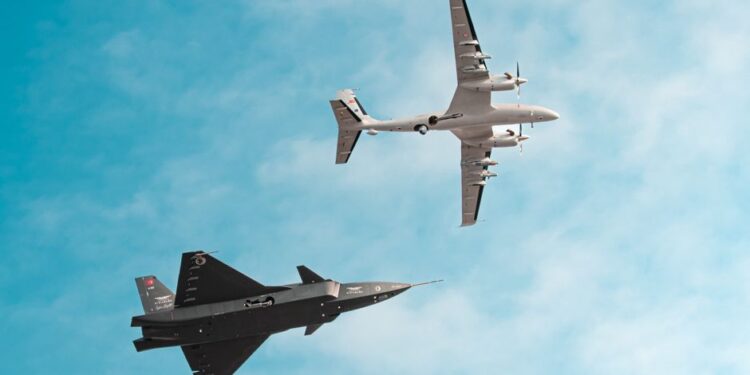
The unveiling of the Brontonax is significant for its technological advancements and the implications it holds for careers in aerospace engineering and defense project management.

BAE Systems has launched its autonomous combat aircraft program. They introduced the Brontonax collaborative combat aircraft (CCA) at the Farnborough International Airshow. This aircraft has been in development since 2022. It aims to enhance the UK’s defense capabilities while reducing reliance on U.S. technology. The CCA features internal weapons carriage and a stealthy design. It positions itself as a key player in military aviation. BAE executives say the Brontonax is designed to operate alongside crewed fighters. This enhances their capabilities while maintaining a smaller footprint in the airspace.
The unveiling of the Brontonax is significant for its technological advancements. It also impacts careers in aerospace engineering and defense project management. As demand for uncrewed systems increases, professionals will need to adapt. They must acquire new skills to remain relevant. The shift towards autonomous systems is not just a trend. It represents a fundamental change in military operations. A recent article by Bloomberg highlights the growing focus on sovereign defense capabilities in Europe.
Growing Demand for Autonomous Systems Expertise
As BAE Systems enters the autonomous combat aircraft market, specialized skills in autonomous systems design are critical. Career Ahead’s analysis finds that aerospace engineers need to deepen their knowledge in artificial intelligence, machine learning, and systems integration. This shift requires a comprehensive understanding of how uncrewed systems operate and interact with crewed aircraft. The Brontonax’s design emphasizes stealth and internal weapon systems, necessitating innovative engineers.
Moreover, the development of the Brontonax highlights the importance of collaboration between manned and unmanned systems. Engineers must create seamless interfaces for these systems to work together effectively. This trend will likely influence engineering programs, pushing institutions to include more hands-on experience with autonomous technologies. BAE Systems notes that integrating AI into defense systems will require engineers who can design and implement these technologies in real-world scenarios.
Additionally, as the European defense sector seeks to build sovereign capabilities, opportunities for engineers will surge. BAE Systems’ commitment to developing homegrown defense solutions means professionals in the UK and Europe must align their skills with national defense strategies. This could lead to partnerships with local universities and research institutions. Such collaborations will foster a new generation of engineers ready to tackle these challenges. Emphasizing local innovation is crucial as countries aim to reduce dependency on external defense technologies.
BAE Systems’ commitment to developing homegrown defense solutions means professionals in the UK and Europe must align their skills with national defense strategies.
You may also like
 Industry & Global Trends
ESG disclosures reshape corporate reputation worldwide
A measurable share of S&P 500 firms have already rebranded or removed ESG terminology, signaling a decisive pivot in how reputation is built.
Read More →Career Ahead research shows that competition for talent in aerospace will intensify as more companies invest in autonomous technologies. Engineers who demonstrate proficiency in these areas will likely command higher salaries and better job security. As the market evolves, the demand for skilled professionals will outpace supply. This creates a favorable environment for those ready to meet the challenge. BAE’s advancements signal a broader shift in workforce requirements across the defense industry.
Opportunities for Defense Project Managers
With BAE’s new program comes a wave of opportunities for defense project managers. The complexity of developing autonomous systems requires a new approach to project management. This approach emphasizes agility and adaptability. As these technologies mature, project managers will oversee the integration of various components. They must ensure projects meet strict regulatory standards. This is important as the UK government increases its investment in defense capabilities.
BAE’s initiative to launch the Brontonax is part of a broader trend in defense towards collaborative combat systems. Project managers will work closely with engineers, software developers, and defense analysts. They must ensure projects are completed on time and within budget. This collaboration involves navigating funding challenges and aligning with government defense priorities. Recent reports highlight that project managers who effectively manage cross-functional teams will be in high demand.
Furthermore, as the UK government invests in its defense capabilities, project managers will be at the forefront of developments. They must stay informed about policy changes and funding opportunities. This ensures their projects align with national defense strategies. It may involve attending industry conferences, engaging with government officials, and forming partnerships with other defense contractors. Effective communication across disciplines will be essential as the industry shifts towards more complex defense solutions.
As BAE Systems and other companies expand, project managers must demonstrate leadership skills and a strategic mindset.
Career Ahead’s analysis indicates that project managers who manage teams and communicate across disciplines will be in high demand. The ability to translate technical details into actionable plans is essential. As BAE Systems and other companies expand, project managers must demonstrate leadership skills and a strategic mindset. The introduction of the Brontonax signifies both a technological leap and a shift in the professional landscape for defense project management.
You may also like
 Industry & Global Trends
Vedanta’s Q1 profit more than doubles, demerges real-estate business
Vedanta's net profit soared more than 150% in the first quarter of FY27, leading to a strategic decision to demerge its real estate business into…
Read More →The launch of the Brontonax also opens doors for collaborations with other defense contractors in Europe. As countries seek to enhance military capabilities independently, partnerships may form to share technology and expertise. This collaborative approach could lead to new standards and practices in the defense sector. BAE Systems’ investment in autonomous technology aligns with the European Union’s defense initiatives. These initiatives aim to strengthen the continent’s defense industry. By working together, European countries can create a cohesive defense strategy that minimizes reliance on external powers. This shift may lead to increased funding for research and development, driving further innovation.
As the industry evolves, professionals in aerospace engineering and project management must remain adaptable. The introduction of autonomous combat aircraft like the Brontonax is just the beginning of a larger transformation. Those who anticipate changes and prepare will be better positioned for success. The implications of BAE’s autonomous combat aircraft program extend beyond immediate technological advancements. As the defense landscape shifts, the roles of aerospace engineers and project managers will evolve. This requires a proactive approach to career development. The future of defense technology is here, promising to reshape the skills and expertise required in the industry.
Frequently Asked Questions
What skills are needed for aerospace engineers in autonomous systems?
Aerospace engineers need to focus on artificial intelligence, machine learning, and systems integration. Understanding how autonomous systems operate and interact with crewed aircraft is essential.
Staying updated with industry developments is crucial for career advancement.
How can defense project managers adapt to new technologies like uncrewed combat aircraft?
Project managers should emphasize agility and adaptability. They must work closely with engineers and developers to ensure effective integration of components while staying informed about industry trends and regulations.

What should aerospace engineers do to prepare for the shift towards autonomous military technology?
Aerospace engineers should deepen their knowledge in autonomous systems. They should collaborate with educational institutions for hands-on experience. Staying updated with industry developments is crucial for career advancement.
You may also like
 Industry & Global Trends
The Impact of NTT Payments’ M&A Strategy on Lending Professionals
NTT Payments' potential entry into lending through mergers and acquisitions could reshape the competitive landscape, creating new opportunities for financial analysts and M&A professionals.
Read More →