No products in the cart.

The Impact of Demant’s AI Hearing Aid on Hearing Professionals
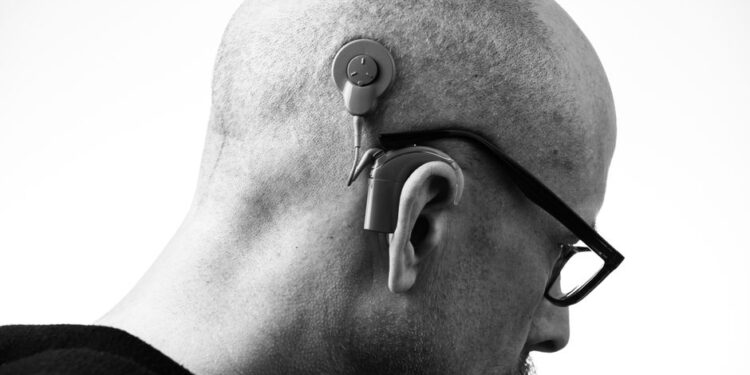
Demant's new AI-powered hearing aid has led to a 39% increase in stock performance, highlighting a significant shift in the audiology market. The integration of AI is expected to increase demand for audiologists and reshape the industry as it adapts to new technologies.

Demant, a leading hearing aid manufacturer based in Denmark, has launched a new AI-powered hearing aid that has significantly boosted its market performance. This product introduction has led to a remarkable 39% increase in the company’s stock since April 2026, marking its best quarterly performance in 26 years. The AI hearing aid not only enhances sound quality but also personalizes user experience, setting a new standard in the audiology market.
The launch of this innovative device comes at a crucial time when audiology professionals are increasingly seeking advanced technology to improve patient outcomes. With the hearing aid market growing rapidly, driven by an aging population and rising awareness of hearing health, Demant’s latest offering positions the company as a frontrunner in the industry.
The Rising Demand for Audiologists
The introduction of AI in hearing aids is expected to increase the demand for audiologists significantly. Career Ahead’s analysis finds that as more consumers seek personalized hearing solutions, audiologists will need to adapt their practices to incorporate these advanced technologies. This shift means that professionals in the field must not only be skilled in traditional audiology but also in understanding and implementing AI-driven solutions.
As AI technology becomes more integrated into hearing aids, audiologists will be called upon to provide more comprehensive services. They will need to interpret data generated by these devices and adjust settings to optimize performance for individual users. This necessitates ongoing education and training, ensuring that audiologists remain at the forefront of technological advancements in their field.
In addition to traditional roles, audiologists may find new opportunities in research and development as companies like Demant continue to innovate.
Furthermore, the demand for audiologists is likely to surge as the population ages. According to data from the World Health Organization, nearly 1.5 billion people worldwide experience some form of hearing loss, a number projected to increase as life expectancy rises. This demographic shift means that audiologists will play a crucial role in managing hearing health, particularly as more individuals seek solutions that enhance their quality of life.
In addition to traditional roles, audiologists may find new opportunities in research and development as companies like Demant continue to innovate. Collaborating with engineers and tech developers will be essential in creating the next generation of hearing aids that incorporate AI technology.
Engineering a New Era in Hearing Technology
The rise of AI-powered hearing aids also presents unique challenges and opportunities for hearing aid design engineers. Career Ahead research identifies that engineers must be well-versed in AI integration to meet the evolving demands of the market. As companies like Demant push the boundaries of technology, engineers will need to develop devices that not only function effectively but also provide a seamless user experience.
Engineers will be tasked with designing hearing aids that can analyze sound environments and adjust settings in real-time. This requires a deep understanding of both hardware and software, as well as the ability to work collaboratively with audiologists to ensure that the technology meets patient needs. The integration of AI into hearing devices will also necessitate new approaches to testing and quality assurance, as engineers must ensure that devices perform reliably under various conditions.
The potential for innovation in hearing aid design is vast. As AI technology evolves, engineers will have opportunities to create features that enhance user interaction, such as voice recognition and connectivity with other smart devices. This could lead to a more integrated approach to hearing health, where users can manage their devices through smartphone applications or other digital platforms.
Engineers who specialize in AI integration will find increasing demand for their skills as companies seek to develop products that cater to a diverse range of hearing needs.
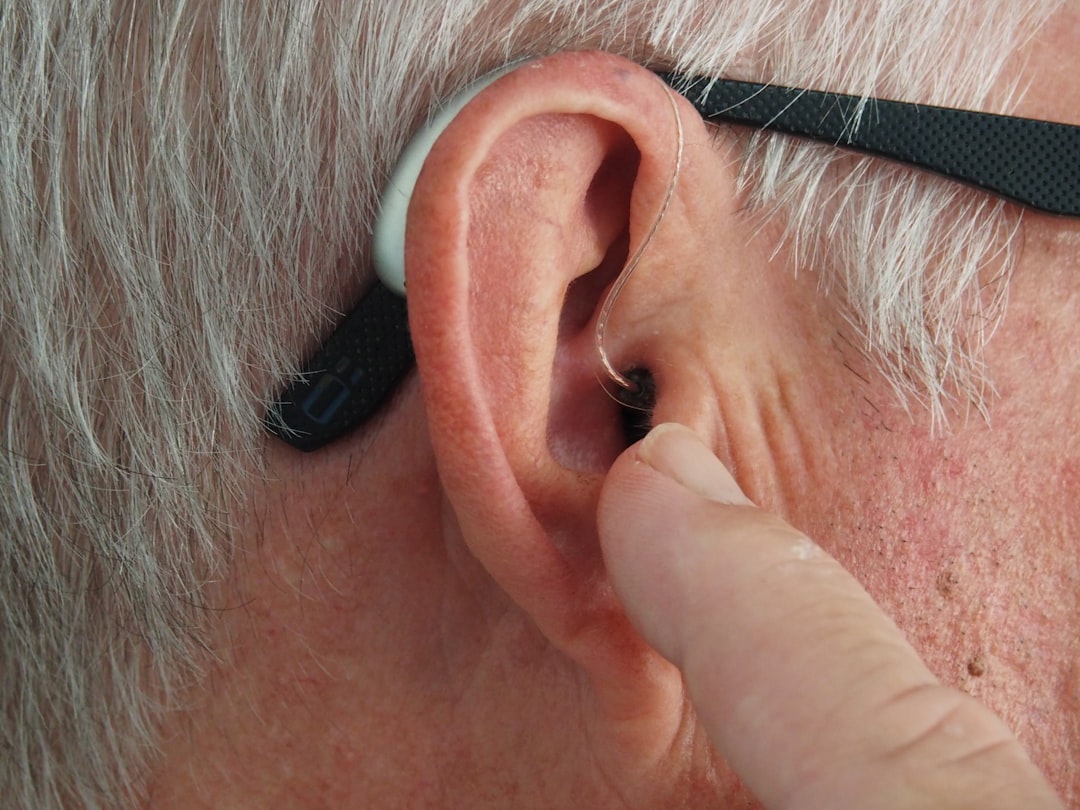
Moreover, the market for assistive technology is expanding. Engineers who specialize in AI integration will find increasing demand for their skills as companies seek to develop products that cater to a diverse range of hearing needs. This trend is likely to create new job opportunities and career pathways within the field of audiology and hearing aid design.
As Demant’s AI hearing aid gains traction, engineers and audiologists alike will need to remain agile, continuously adapting to new technologies and market demands. The collaboration between these two professions will be vital in shaping the future of hearing health solutions.
Future Implications for the Audiology Industry
The impact of Demant’s AI hearing aid extends beyond immediate market performance; it signals a broader trend towards technological integration in healthcare. As audiology professionals embrace AI, the industry will likely see a paradigm shift in how hearing loss is managed and treated. Career Ahead analysis finds that this shift could lead to greater patient engagement and improved outcomes, as technology empowers users to take control of their hearing health.
Additionally, the success of AI hearing aids may encourage further investment in research and development within the audiology sector. Companies that recognize the potential of AI will likely allocate resources to innovate and enhance their product offerings. This could result in a competitive landscape where technological prowess becomes a key differentiator among hearing aid manufacturers.
For audiologists and engineers, this evolving landscape presents both challenges and opportunities. Professionals will need to stay informed about the latest advancements in AI and be prepared to adapt their skills and practices accordingly. The ability to leverage technology effectively will become increasingly important in providing high-quality care and maintaining a competitive edge in the job market.
Frequently Asked Questions What new skills do audiologists need to work with AI hearing aids?

As the demand for AI-driven solutions grows, the audiology profession must also consider ethical implications. Issues such as data privacy and the responsible use of AI will need to be addressed to ensure that patient trust is maintained. This focus on ethics will be crucial as the industry navigates the complexities of integrating advanced technology into healthcare.
The future of audiology is poised for significant transformation. As AI technology continues to evolve, the potential for improved patient care and innovative solutions will shape the industry for years to come.
Frequently Asked Questions
What new skills do audiologists need to work with AI hearing aids?
Audiologists will need to develop skills in data analysis and technology integration to effectively use AI hearing aids. Understanding how to interpret device data and adjust settings will be crucial for optimizing patient care.
How can hearing aid design engineers leverage AI in their products?
Engineers can leverage AI by designing hearing aids that adapt to various sound environments and user preferences. This requires collaboration with audiologists to ensure that the technology meets the needs of users.

What should audiologists consider when recommending AI hearing aids to patients?
Audiologists should consider individual patient needs, preferences, and the specific features of AI hearing aids. They must ensure that patients understand how to use the technology effectively to enhance their hearing experience.
Written by Career Ahead AI. AI can make mistakes, so verify key facts. Report errors to support@careeraheadonline.com.