No products in the cart.

The Impact of the Paper Mill Closure on Madison’s Workforce
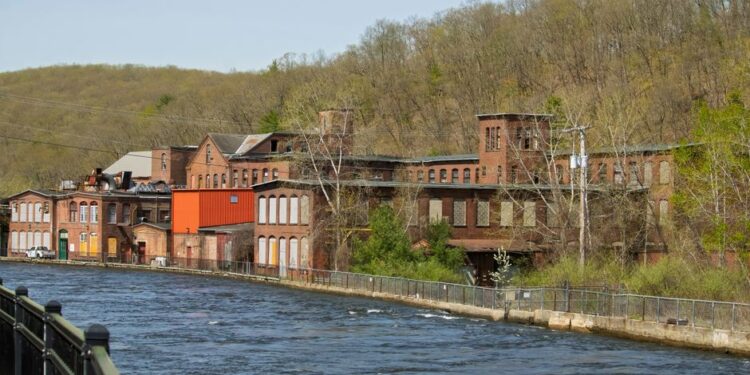
The closure of Madison Paper Industries has created significant economic challenges for the local workforce and businesses, reflecting broader trends in the U.S. manufacturing sector.

Madison, Maine — The recent closure of the Madison Paper Industries mill has created major economic challenges for the town. Once a key part of the local economy, the mill’s shutdown raises concerns about job security for manufacturing workers. It also impacts local businesses. This moment is crucial for Madison as it looks to reshape its economic future.
The Madison Paper Industries mill operated for over a century. It provided jobs and stability to the community. However, financial troubles led to its closure, leaving many workers unemployed. Local businesses now face reduced consumer spending. According to the Maine Monitor, the mill’s closure will likely have a ripple effect on the local economy, as many businesses depended on it for customers.
Job Security Concerns for Manufacturing Workers
The loss of the paper mill has raised job security concerns among manufacturing workers in Madison. Many have spent years, even decades, developing skills in the paper industry. Now, they face an uncertain future. Career Ahead research shows that moving from traditional manufacturing to diverse economies often leaves workers vulnerable without support and retraining.
Workers in Madison are exploring their options. Some seek jobs in nearby towns, while others consider retraining programs to learn new skills. However, the local job market offers few opportunities, especially for those without experience in other fields. The Maine government recognizes the need for workforce development initiatives to help displaced workers, but the timeline and effectiveness of these programs are still unclear.
Moreover, the shift away from paper manufacturing reflects a broader trend in the U.S. economy. As industries change, workers must adapt to new technologies and job roles. This trend highlights the importance of upskilling to stay competitive. Career Ahead’s analysis shows that workers who learn new skills are more likely to find jobs in emerging sectors like renewable energy and technology.
Career Ahead’s analysis shows that workers who learn new skills are more likely to find jobs in emerging sectors like renewable energy and technology.
The local community is also coming together to support affected workers. Various organizations and leaders are collaborating to create resources and programs to help displaced employees transition into new roles. However, the success of these initiatives will depend on the community’s ability to adapt and innovate in response to the changing economy.
Economic Impact on Local Business Owners
The closure of the Madison Paper Industries mill also significantly impacts local business owners. Many small businesses relied on the mill for a steady stream of customers. Its closure has led to a noticeable drop in foot traffic. Business owners now face the challenge of adjusting to a new economic reality with fewer customers.
Local entrepreneurs are trying different strategies to cope with the loss of business. Some are diversifying their offerings to attract new customers. Others are seeking partnerships with nearby towns to expand their reach. The Maine government is also working on initiatives to support local businesses and stimulate growth in the region.
However, this transition may take time. Many local businesses are small and may lack the resources to adapt quickly to the changing economy. Career Ahead analysis indicates that businesses that successfully adjust to new market conditions often do so by using technology and innovative practices. Local owners in Madison may need to think about how to integrate new technologies into their operations to stay competitive.

Additionally, the economic shift presents opportunities for new industries to emerge in the area. As the town seeks to redefine its economic identity, there is potential for growth in sectors like tourism, renewable energy, and technology. Business owners willing to embrace change and invest in new ventures may find success in this evolving landscape.
Collaboration among local businesses, government agencies, and educational institutions is critical for facilitating this transition.
Collaboration among local businesses, government agencies, and educational institutions is critical for facilitating this transition. By working together, stakeholders can create a supportive environment that fosters innovation and economic resilience in Madison.
While the challenges are significant, the community’s response to the mill’s closure will be vital in shaping its future. The combined efforts of local leaders, businesses, and residents will determine how Madison navigates this economic shift.
What Lies Ahead for Madison’s Workforce?
The future of Madison’s workforce is uncertain as the community deals with the paper mill’s closure. Job security is a major concern for many, and transitioning to new industries will require significant effort from both workers and local businesses. The community’s ability to adapt and innovate will be key in determining its economic path.
The potential for new industries to emerge in Madison offers hope. As the town seeks to redefine its economic identity, there is an opportunity for growth in sectors that meet current market demands. However, this transition will require investment in workforce development and education to ensure local workers have the skills needed for future jobs.
Career Ahead analysis shows that Madison’s economic transition will depend on collaboration among local stakeholders. By fostering partnerships between businesses, educational institutions, and government agencies, the community can create a supportive environment that encourages innovation and economic resilience.
As Madison moves forward, it will be essential to monitor developments in the local job market and efforts to support displaced workers.

As Madison moves forward, it will be essential to monitor developments in the local job market and efforts to support displaced workers. The next few years will be critical in shaping the town’s economic landscape. How effectively the community responds to these challenges will determine its future.
In light of these changes, how will Madison redefine itself and its economic identity in the coming years? The answers to this question will shape not only the future of its workforce but also the overall prosperity of the community.
Frequently Asked Questions
What are the job opportunities for manufacturing workers in Madison now?
Job opportunities for manufacturing workers in Madison are currently limited due to the closure of the paper mill. Many workers are exploring retraining programs to transition into new sectors.
How can local business owners adapt to the changing economic landscape?
Local business owners can adapt by diversifying their offerings and seeking partnerships with nearby towns. Embracing technology and innovative practices will also be crucial for their survival.

What skills should manufacturing workers develop to transition to new industries?
Manufacturing workers should focus on acquiring skills in technology and renewable energy sectors. Upskilling will be vital for securing employment in emerging industries.
Related Articles
- Wind Turbine Makers Push for Export Incentives and PLI
Written by Career Ahead AI. AI can make mistakes, so verify key facts. Report errors to support@careeraheadonline.com.