
Iran and the United States have recently made a significant agreement. This deal could change how education is funded and how artificial intelligence (AI) is used in schools. It raises important questions about the ethics of AI in education and international educational policies.
The agreement was announced on June 18, 2026. It marks a thaw in relations between the two countries. This could lead to more collaboration in various sectors, especially education. Iran is expected to receive funding to improve its educational infrastructure, especially in vulnerable areas. This funding could help integrate AI technologies in schools, changing how education is delivered.
Funding Implications for Education in Iran
Career Ahead’s analysis of UNICEF data shows that educational initiatives in Iran often struggle with funding, especially in less advantaged areas. The new agreement may provide essential financial resources to improve school facilities and access to quality education. For example, UNICEF reports that children in vulnerable districts like Khorasan Razavi and Sistan and Baluchistan will benefit from new classrooms and sanitation facilities funded internationally.
Additionally, this influx of resources could help Iranian schools adopt AI technologies more quickly. Realcleareducation.com suggests that AI can transform education by enhancing personalized learning and improving administrative efficiency. However, we must carefully consider the ethical implications of using AI, especially regarding data privacy and algorithmic bias.
As Iran aims to modernize its educational system, AI could lead to significant advancements. Schools might use AI tools for personalized learning, tailoring education to individual student needs. However, this raises concerns about the quality of data used to train these AI systems and the risk of reinforcing existing biases.
Moreover, the impact of this funding may reach beyond Iran. As Iranian schools adopt advanced technologies, it could inspire similar initiatives in neighboring countries. This may lead to a regional shift in educational practices and policies.
Given these developments, education policy analysts must closely monitor how funds are allocated.
Given these developments, education policy analysts must closely monitor how funds are allocated. They should also assess the effects on educational equity and quality. The implications of AI in education will need ongoing scrutiny to ensure ethical standards are maintained.
Ethical Considerations of AI in Education
As AI technologies become more integrated into education, ethical concerns arise. The use of AI in schools raises issues about data privacy, surveillance, and algorithmic bias. Career Ahead’s research shows that while AI can enhance learning, it can also worsen inequalities if not implemented carefully.
AI systems often rely on large datasets that may not represent diverse populations well. If these systems are trained on biased data, they could reinforce existing disparities in educational outcomes. This concern is especially relevant in Iran, where access to quality education varies widely across regions.
Furthermore, ethical implications extend to how data is collected and used in education. Schools must handle student data responsibly and transparently when implementing AI tools. This is crucial for building trust among students and parents, particularly in a country where educational institutions face scrutiny.
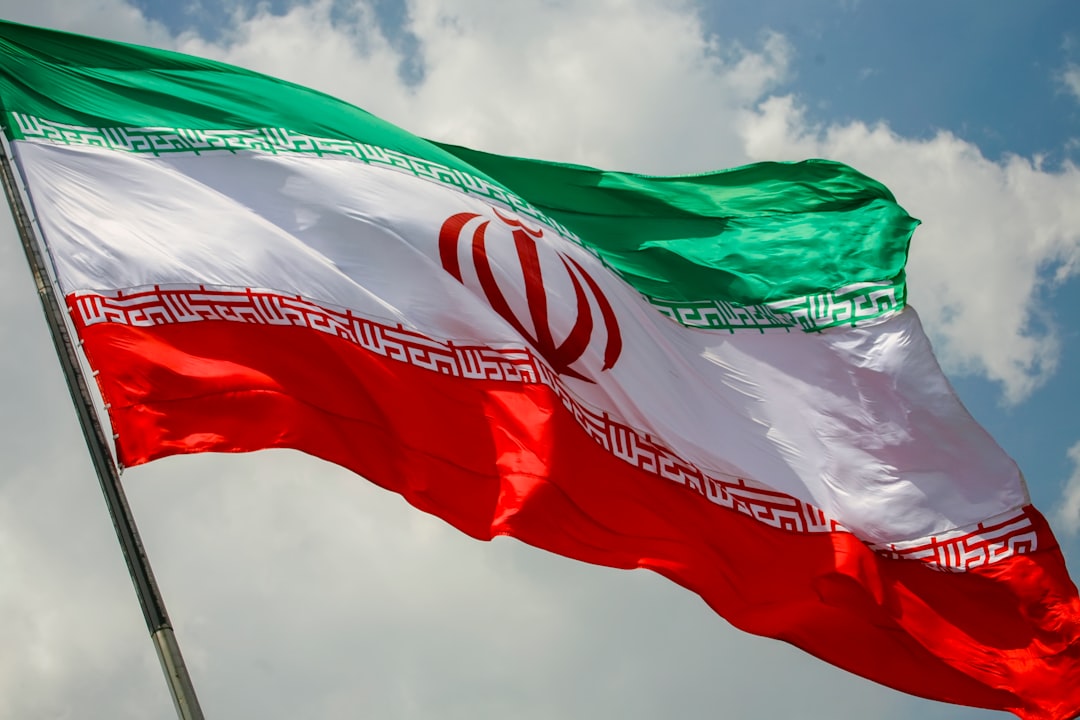
International relations experts should also consider how the Iran-U.S. deal might influence global standards for AI in education. As countries collaborate on educational initiatives, there is a chance to establish frameworks that prioritize ethical AI use. These frameworks could guide other nations looking to integrate AI into their educational systems.
Ultimately, the ethical landscape around AI in education will require ongoing dialogue among policymakers, educators, and technologists. It is vital to balance leveraging AI’s potential with safeguarding students’ rights and well-being.
Career Ahead’s analysis suggests this deal might encourage other countries to pursue similar agreements focused on educational collaboration.
Potential Shifts in International Education Policies
The Iran-U.S. deal could spark shifts in international education policies, especially regarding AI implementation. As Iran improves its educational infrastructure with U.S. funding, it may set a precedent for how nations collaborate on educational technology. This could lead to a more interconnected global educational landscape.
Career Ahead’s analysis suggests this deal might encourage other countries to pursue similar agreements focused on educational collaboration. As nations see the benefits of sharing resources and expertise, international partnerships aimed at improving educational outcomes through technology may increase.
Additionally, as Iranian schools adopt AI technologies, their experiences could inform best practices for AI use in education worldwide. Countries facing similar challenges in educational equity might look to Iran’s initiatives as a model for integrating AI to promote inclusivity and accessibility.

However, the success of these initiatives will depend on international stakeholders’ willingness to engage in meaningful discussions about AI’s ethical implications. Policymakers must prioritize transparency and accountability in AI deployment to build trust among educators and communities.
As the global education landscape evolves, AI’s potential to enhance learning experiences remains significant. The coming years will be crucial for observing how the Iran-U.S. deal influences educational practices in Iran and beyond.
As the world watches these developments, the intersection of international relations and educational policy will become increasingly important.
As the world watches these developments, the intersection of international relations and educational policy will become increasingly important. The implications of the Iran-U.S. deal could reshape Iran’s educational landscape and set a precedent for how countries approach AI in education.
Frequently Asked Questions
What are the implications of AI in education for policy analysts?
Career Ahead’s analysis shows that integrating AI in education raises significant ethical questions. These include data privacy and algorithmic bias. Policy analysts must consider how these issues affect educational equity and learning quality.
How should AI ethics researchers respond to changes in international agreements?
AI ethics researchers should focus on the implications of international agreements on AI in education. They must advocate for ethical standards and frameworks that ensure responsible AI use, considering diverse populations and equitable access to technology.

What should international relations experts consider regarding AI in educational contexts?
International relations experts should examine how agreements like the Iran-U.S. deal influence global AI standards in education. They must consider the potential for collaborative initiatives that promote ethical AI practices across borders.
Written by Career Ahead AI. AI can make mistakes, so verify key facts. Report errors to support@careeraheadonline.com.