No products in the cart.

The Rise of Balcony Solar in the U.S.
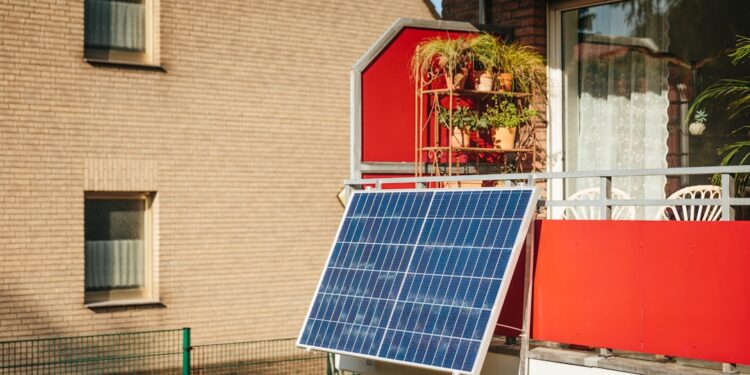
Balcony solar systems are gaining traction in the U.S., promising to make renewable energy more accessible for urban dwellers. This article explores the implications, challenges, and future of this trend.

Balcony Solar: Transforming Urban Energy Access
In recent years, a quiet revolution has been brewing in the U.S. energy sector. Balcony solar systems, small plug-in solar panels designed for urban living, are poised to change how Americans consume electricity. This shift is particularly relevant as energy costs rise and environmental awareness grows. The potential for these systems to democratize energy access is significant, especially for renters and those in urban areas.
According to energy.gov, balcony solar systems are compact, easy to install, and can provide a viable option for apartment dwellers to generate their own electricity. This trend reflects a broader movement towards renewable energy solutions that cater to the needs of modern urban lifestyles. As more states consider legislation to support these installations, the landscape of energy consumption in the U.S. is on the brink of transformation.
Utah has already taken a pioneering step by becoming the first state to explicitly allow the installation of balcony solar systems without the need for interconnection agreements. This regulatory change has sparked interest in over two dozen other states, indicating a growing acceptance of this technology. The implications for both energy policy and urban living are profound, as more individuals gain the ability to harness solar power directly from their homes.
How Balcony Solar Works
Balcony solar systems are designed to be user-friendly, often requiring no specialized installation skills. These small solar arrays can be plugged into standard electrical outlets, making them accessible to a wider audience. They typically generate up to 800 watts, enough to power essential appliances like microwaves and lights, thereby reducing reliance on traditional energy sources.
However, the technology is not without its challenges. Safety concerns have been raised regarding the integration of these systems into existing electrical infrastructure. As noted by experts from cleantechnica.com, there are risks of circuit overloads and other electrical hazards when adding solar power to home systems. This has led to the development of new safety standards to ensure that balcony solar systems can be safely integrated into residential settings.
How Balcony Solar Works Balcony solar systems are designed to be user-friendly, often requiring no specialized installation skills.
You may also like
 Entrepreneurship & Business
College Students Shape the Future of A.I. Investment
College students are increasingly influencing the A.I. investment landscape, with initiatives like Dorm Room Fund raising substantial capital. This shift highlights the growing importance of…
Read More →The recent introduction of the UL 3700 testing protocol by UL Solutions aims to address these safety concerns. This certification process is crucial as it ensures that balcony solar systems meet safety standards before they can be widely adopted. While this adds a layer of complexity to the installation process, it ultimately enhances the reliability of these systems, fostering greater consumer confidence.
Regulatory Changes and Market Dynamics
The rise of balcony solar systems is not just a technological phenomenon; it is also a reflection of changing policy landscapes across the U.S. As energy prices continue to soar, the demand for affordable and sustainable energy solutions is more pressing than ever. States are beginning to recognize the potential of balcony solar to alleviate some of these pressures.
According to nrel.gov, the growing interest in balcony solar is closely tied to urbanization trends and the increasing costs of energy. As more people move to cities, the need for compact and efficient energy solutions becomes paramount. Balcony solar systems offer a way for urban residents to take control of their energy consumption, potentially leading to a significant reduction in energy bills.
Moreover, the regulatory environment is evolving to support this trend. As seen in Utah’s legislation, states are beginning to relax restrictions that have historically hindered the adoption of small-scale solar systems. This shift could pave the way for a broader acceptance of balcony solar across the country, encouraging more residents to invest in renewable energy.

Critics argue that the rapid push for these systems may overlook critical safety standards and regulatory requirements.
Safety Concerns and Industry Debates
Despite the promising outlook for balcony solar systems, there are ongoing debates regarding their feasibility and safety. Critics argue that the rapid push for these systems may overlook critical safety standards and regulatory requirements. For instance, while the technology is designed to be user-friendly, the lack of oversight could lead to improperly installed systems that pose risks to users.
You may also like
 Entrepreneurship & Business
Earnings Must Validate AI Investments
Tiffany McGhee emphasizes the need for companies to demonstrate the effectiveness of their AI investments in earnings reports, as global AI spending is projected to…
Read More →Furthermore, there is concern about the long-term sustainability of relying on plug-in solar systems. Some experts question whether these systems can significantly contribute to reducing overall energy consumption or emissions. The debate continues as stakeholders weigh the benefits of increased accessibility against the potential risks associated with unregulated installations.

As the market evolves, it will be essential to navigate these contradictions carefully. Policymakers, manufacturers, and consumers must work together to ensure that balcony solar systems are both safe and effective. Addressing these concerns will be crucial in gaining public trust and promoting widespread adoption.
Prospects for Balcony Solar Adoption
The future of balcony solar in the U.S. looks promising, with increasing interest from consumers and policymakers alike. As technology continues to advance, we can expect improvements in efficiency and safety standards, making these systems even more appealing to urban residents. The potential for balcony solar to reduce energy costs and promote sustainability is significant.
Prospects for Balcony Solar Adoption The future of balcony solar in the U.S.
Moreover, as more states adopt favorable regulations, the market for balcony solar systems is likely to expand. This could lead to increased competition among manufacturers, driving down costs and improving product offerings. As a result, more consumers may find it feasible to invest in solar technology for their homes.
In the coming years, we may also see a shift in public perception regarding solar energy. As balcony solar systems become more mainstream, they could help to normalize the use of renewable energy sources in everyday life. This cultural shift could further accelerate the transition towards a more sustainable energy future.
You may also like
 Entrepreneurship & Business
Startups Captivating VCs at PearX Demo Day
The PearX program is renowned for its selective nature, capping its cohorts at just 20 startups. This approach facilitates focused mentorship and investment opportunities from…
Read More →