No products in the cart.

The Rise of Hybrid Coworking Spaces Post-Pandemic
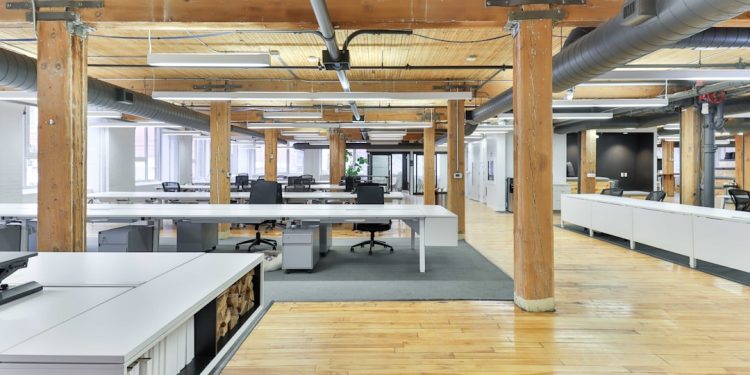
As the workplace evolves, hybrid coworking spaces are redefining how we collaborate, infusing flexibility with a sense of community.

New York, USA — The pandemic has irrevocably changed how we view workspaces. In the wake of COVID-19, a new model of coworking is emerging, one that combines flexibility with a strong sense of community. Companies and individuals alike are seeking environments that not only accommodate remote work but also foster collaboration and connection.
This shift matters now more than ever. As businesses navigate the complexities of hybrid work arrangements, understanding the dynamics of coworking spaces can provide insights into future trends. The coworking model is evolving beyond mere desk rental; it is becoming a platform for innovation and community building.

The rise of hybrid coworking spaces reflects broader shifts in work culture. According to a report by the Global Workspace Association, the number of coworking spaces worldwide is projected to reach 40,000 by 2024, up from approximately 35,000 in 2022[1]. This growth is fueled by the increasing demand for flexible work arrangements, as companies adapt to a workforce that is no longer tethered to traditional office settings.
Post-pandemic, the coworking landscape has transformed significantly. Many companies are opting for a hybrid model, allowing employees to split their time between home and a shared workspace. This approach not only offers flexibility but also addresses employee desires for social interaction and collaboration. A survey by the International Workspace Association found that 75% of workers prefer a hybrid model, valuing the balance it strikes between remote work and in-person engagement[2].
This growth is fueled by the increasing demand for flexible work arrangements, as companies adapt to a workforce that is no longer tethered to traditional office settings.
Moreover, coworking spaces are adapting to meet these needs. They are increasingly designed to support both individual work and group collaboration, featuring open areas, private meeting rooms, and amenities like coffee bars and lounges. Spaces such as WeWork and Spaces have reported a surge in memberships as they enhance their offerings to cater to this new demand. WeWork, for instance, saw a 20% increase in membership in 2023 compared to the previous year, indicating a robust recovery and shifting preferences[3].
Hybrid coworking spaces also play a pivotal role in fostering a sense of community. They provide networking opportunities, workshops, and social events that encourage collaboration among diverse professionals. This communal aspect is particularly appealing to freelancers, startups, and remote workers who may otherwise feel isolated in a home office setting. A study by Harvard Business Review highlighted that employees who work in collaborative environments report higher job satisfaction and increased productivity[4].
However, the rise of coworking spaces is not without its challenges. As competition increases, operators must differentiate themselves by creating unique experiences. This includes offering tailored services, such as mentorship programs, wellness initiatives, and technology support. Flexibility in membership options—allowing companies to scale up or down as needed—will also be crucial in attracting tenants.
Looking ahead, the future of coworking is likely to be shaped by technological advancements and evolving workplace expectations. Innovations such as AI-driven space management tools and enhanced digital connectivity will redefine how coworking environments operate. Additionally, as sustainability becomes a more pressing concern, eco-friendly designs and practices will likely be integrated into coworking spaces, appealing to environmentally conscious entrepreneurs.
You may also like
 Government & Policy
Crypto Regulation Momentum Builds
The urgency for regulation stems from the rapid growth and volatility of the cryptocurrency market. With billions of dollars in investments at stake, stakeholders are…
Read More →They provide networking opportunities, workshops, and social events that encourage collaboration among diverse professionals.
As the landscape of work continues to evolve, hybrid coworking spaces are poised to become a central hub for collaboration, creativity, and innovation. Companies and individuals must remain adaptable, embracing these new models to thrive in a post-pandemic world. The question remains: how will businesses leverage the unique opportunities that coworking spaces offer to enhance their operations and culture?