No products in the cart.

The Rise of Rock-Melting Tunnel-Boring Technology and Its Implications
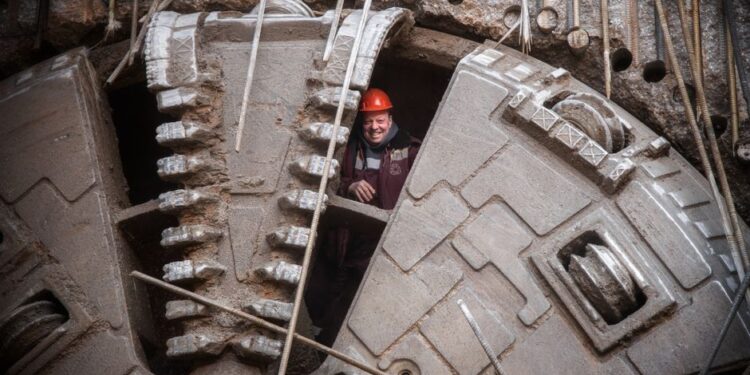
Rock-melting tunnel-boring machines are revolutionizing underground construction, enhancing safety and efficiency while creating new job opportunities for engineers.

California, USA — EarthGrid has unveiled its innovative rock-melting tunnel-boring machine (TBR), capable of reaching temperatures of 27,000°C. This groundbreaking technology aims to transform underground construction by accelerating the boring process and improving efficiency. In a recent test, the machine successfully bored through three meters of granite, showcasing its potential.
This advancement is particularly timely, given the increasing need for underground facilities amid rising geopolitical tensions, such as the ongoing conflict in Ukraine. Engineering firms are now prioritizing the burial of critical infrastructure to safeguard against potential attacks, making the rock-melting TBR a crucial development in the field.
Revolutionizing Tunneling with Plasma Technology
The rock-melting TBR employs plasma torches to generate a vortex that effectively removes debris while boring through solid rock. This method not only accelerates tunneling but also simplifies traditional processes. Troy Helming, the founder of EarthGrid, likens the operation to igniting a rocket, emphasizing the tornado-like effect that efficiently clears the tunnel.
According to an analysis by Career Ahead, the rock-melting TBR could significantly reduce project timelines. Traditional tunneling methods often progress at a rate of millimeters per minute, while this new technology promises to enhance efficiency, potentially leading to substantial cost savings and faster completion of infrastructure projects.
Moreover, the TBR’s ability to bore through tough materials like granite allows for the installation of essential services such as electricity, telecommunications, and water pipelines underground. As urban areas face increasing threats to above-ground facilities, the shift towards underground infrastructure is becoming increasingly vital.
For instance, it effectively manages debris and gases during the boring process, minimizing risks associated with traditional tunneling, where dust and hazardous materials pose threats to workers.
Improving Safety Standards in Underground Construction
As advanced tunneling methods gain traction, safety protocols for geotechnical engineers are evolving. The rock-melting technology not only enhances efficiency but also introduces new safety measures. For instance, it effectively manages debris and gases during the boring process, minimizing risks associated with traditional tunneling, where dust and hazardous materials pose threats to workers.
You may also like
 Industry & Global Trends
Informa to Buy Events Firm from Blackstone for £2.2 Billion
The deal is part of a broader trend of consolidation within the events sector, where major players are increasingly seeking to merge resources and expand…
Read More →Research from Career Ahead indicates that engineers will need to adapt to new operational protocols as they integrate rock-melting technology into their practices. Innovations such as laser-guidance systems and gyroscopes have already improved tunneling accuracy, and similar advancements are expected to accompany the use of TBRs. Engineers must stay informed about these changes to prioritize safety in underground construction.
Furthermore, the demand for underground facilities has surged due to geopolitical events, prompting countries to invest in secure infrastructures, particularly in regions near conflict zones. This trend reflects a broader shift in how engineers plan and execute projects in high-risk areas.
Expanding Career Opportunities in Advanced Tunneling
The emergence of rock-melting tunnel-boring machines is not only transforming construction methods but also creating new job opportunities for engineers. As companies invest in advanced tunneling technologies, the demand for skilled professionals in this field is expected to rise. Engineers proficient in operating and maintaining TBRs will be highly sought after.
Career Ahead’s analysis suggests that the growth of underground construction projects will lead to increased hiring in the engineering sector. Positions in project management, geotechnical analysis, and machine operation are likely to become more prevalent as firms seek to leverage the efficiency of rock-melting technology.
Additionally, educational institutions may need to update their curricula to prepare students for these emerging roles. Training programs focusing on advanced tunneling technologies and safety protocols will be essential for developing a skilled workforce capable of meeting industry demands.
Additionally, educational institutions may need to update their curricula to prepare students for these emerging roles.
You may also like
 Industry & Global Trends
Bolsonaro Surge in Brazil Opens Door to Commodities Trade Shift
Bolsonaro's electoral victory has sparked optimism in Brazil's financial markets, with significant implications for the commodities trade sector.
Read More →Beyond traditional engineering roles, there is potential for growth in related fields such as environmental science and safety management. Professionals who can address the environmental impacts of underground construction will be crucial as the industry balances innovation with sustainability.
Future Prospects for Underground Infrastructure
The future appears promising for those entering the engineering field, particularly in advanced tunneling. As the need for secure and efficient underground infrastructure continues to grow, opportunities for engineers willing to embrace new technologies will expand.
As rock-melting TBR technology gains traction, the industry’s adaptability will be tested. The potential effects on job markets and educational programs are significant, raising questions about whether the engineering sector is prepared to meet the challenges and opportunities presented by this innovative tunneling approach.

Frequently Asked Questions
What are the benefits of using rock-melting technology in tunneling?
Rock-melting technology allows for faster tunneling through hard materials, reducing project timelines and costs while enhancing safety by effectively managing debris and hazardous gases.
Geotechnical engineers should focus on protocols for debris management, gas release, and environmental impacts, incorporating new technologies like laser guidance and gyroscopic systems to improve safety and accuracy.
How can tunnel boring machine engineers adapt to new technologies?
Tunnel boring machine engineers can adapt by learning to operate advanced TBRs and familiarizing themselves with new safety protocols and operational techniques related to rock-melting technology.
What safety protocols should geotechnical engineers consider with advanced tunneling methods?
You may also like
 Industry & Global Trends
Auto Retail Sales Surge 32%
The two-wheeler segment alone saw retail sales of 1,790,188 units, a remarkable 33.08% increase compared to the same month last year.
Read More →Geotechnical engineers should focus on protocols for debris management, gas release, and environmental impacts, incorporating new technologies like laser guidance and gyroscopic systems to improve safety and accuracy.