No products in the cart.

The Risk of Rising Oil Prices Amid US-Iran Conflict
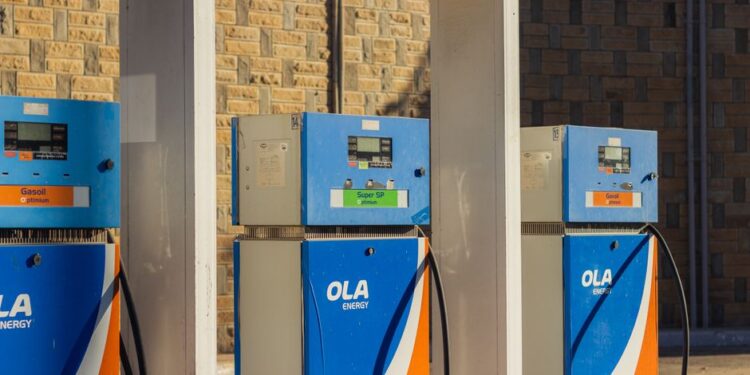
Escalating tensions between the US and Iran are raising concerns about oil price volatility. This analysis examines the geopolitical risks affecting energy markets and the implications for oil-importing nations.

Global crude oil markets face new uncertainty as tensions rise between the United States and Iran. Recent attacks on commercial vessels in the Strait of Hormuz have led the US to strike Iranian military targets. This situation raises fears of a larger conflict and causes oil prices to fluctuate.
The Strait of Hormuz is vital for global oil trade. Nearly 20% of the world’s oil passes through this narrow waterway. Iran’s actions aim to expand its influence over this route, raising concerns about supply disruptions. Oil market traders and energy analysts are closely watching the situation’s impact on crude prices.
Geopolitical Risks and Oil Price Fluctuations
Recent events in US-Iran relations show how geopolitical risks affect oil prices. Career Ahead’s analysis suggests that these risks will keep influencing crude oil prices as long as tensions last. Even without direct supply disruptions, fears about tanker safety and shipping insurance can lead to more volatility in the oil market.
Historically, crises in the Middle East have caused sharp increases in oil prices. For example, past conflicts have led to significant spikes in Brent crude prices. A report by the Economic Times states that the fragile understanding between the US and Iran has helped maintain some stability in oil markets. However, the recent breakdown in this understanding raises serious questions about energy security for oil-importing nations.
If the situation escalates, oil prices could stay high, impacting global markets and energy security. Traders must adjust their strategies to manage these risks. Increased volatility can create profit opportunities but also presents challenges. Those who navigate these geopolitical waters well will be better prepared to manage their portfolios and avoid losses.
This situation complicates efforts by central banks to lower interest rates and support economic growth, creating a ripple effect across industries.
You may also like
 News
NewsProtect Your Bank Account from Cyber Fraud
Cyber fraud is on the rise, with many individuals unknowingly becoming part of schemes that use their bank accounts as mule accounts. Understanding the implications…
Read More →Moreover, rising oil prices affect more than just the energy sector. Higher transportation and manufacturing costs can lead to inflation worldwide. This situation complicates efforts by central banks to lower interest rates and support economic growth, creating a ripple effect across industries. The Economic Times emphasizes that any disruption to Gulf energy flows could greatly impact global oil markets and energy security, showing how geopolitical tensions connect with economic stability.
As the situation unfolds, oil market traders must stay alert. They need to monitor geopolitical developments and adjust pricing strategies to succeed in this uncertain environment. The potential for a broader conflict between the US and Iran complicates the energy landscape. Gulf nations, like Saudi Arabia and the UAE, are also cautious about taking sides. Their economies rely heavily on regional stability and uninterrupted energy exports, leading to a delicate balancing act in diplomacy.
Evaluating US-Iran Relations and Energy Security
The fragile understanding between the US and Iran has been crucial for maintaining stability in oil markets. However, the recent breakdown raises important questions about energy security for oil-importing nations. Countries like India, which depend heavily on imported crude oil, are especially vulnerable to price fluctuations.
Career Ahead’s review shows that sustained increases in crude prices could widen trade deficits and worsen inflation in these economies. For example, India imports over 80% of its crude needs, making it sensitive to price hikes caused by geopolitical tensions. Any sustained rise in oil prices would significantly affect India’s import bill and economic stability. The Economic Times notes that Iran’s main goal seems to be expanding its influence over the Strait of Hormuz, not outright ownership, complicating the geopolitical landscape.
Furthermore, the potential for a broader conflict between the US and Iran complicates the energy landscape. Gulf nations, including Saudi Arabia and the UAE, are cautious about taking sides. Their economies depend on regional stability and uninterrupted energy exports, leading to a delicate balancing act in diplomacy. As tensions rise, energy policy analysts must consider the long-term implications for energy security. The risk of significant military engagement could disrupt oil supplies and global economic stability.
Career Ahead’s review shows that sustained increases in crude prices could widen trade deficits and worsen inflation in these economies.
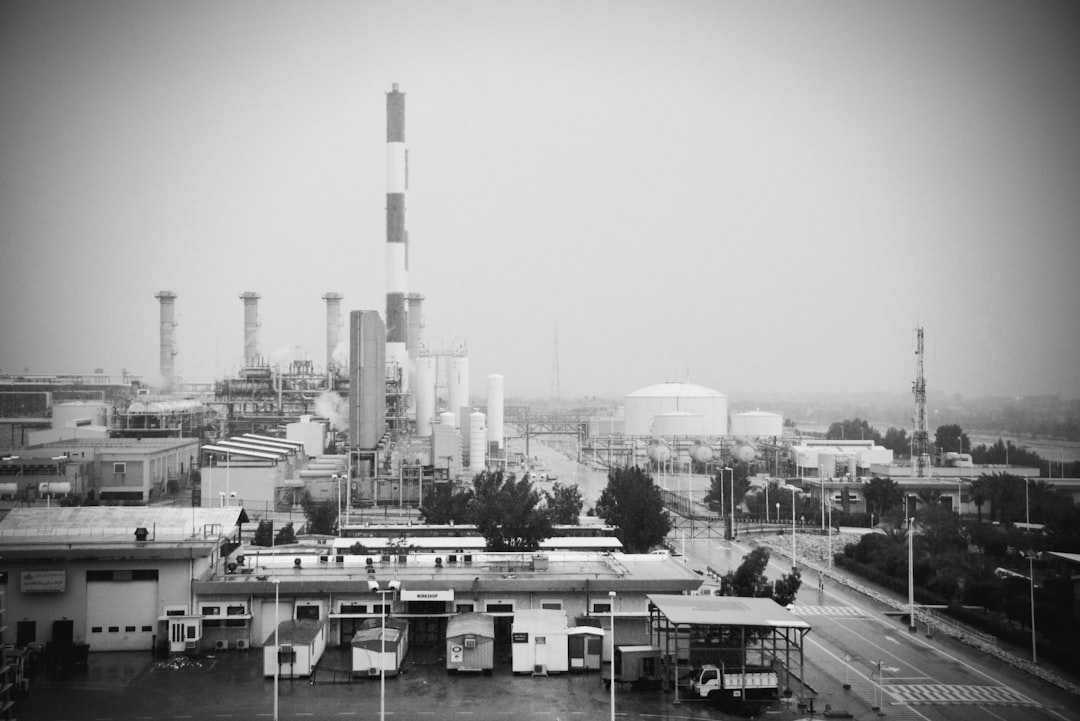
In this context, diplomatic efforts become increasingly important. Countries in the region are likely pursuing behind-the-scenes negotiations to prevent escalation, which could stabilize oil markets and mitigate risks to energy security. A Bloomberg report highlights that the US’s recent military actions and Iran’s responses are part of a larger strategic game, where both sides seek influence without triggering a full-blown conflict.
You may also like
 News
NewsBloomberg This Weekend 10/4/2026
The launch comes at a time when media consumption patterns are rapidly changing. Viewers increasingly prefer on-demand content and real-time updates, prompting networks like Bloomberg…
Read More →As the situation evolves, oil market participants must stay informed about geopolitical developments and their potential impact on pricing strategies. Anticipating market movements in response to these developments will be crucial for maintaining a competitive edge in the energy sector. Ultimately, the unfolding situation between the US and Iran presents both challenges and opportunities for oil market traders. Their responses to these geopolitical risks will shape their strategies and outcomes in the coming months.
Energy policy analysts and traders must closely monitor the evolving dynamics in the Gulf region. The potential for further escalation raises questions about oil price stability and broader implications for global markets.
Frequently Asked Questions
What strategies should oil market traders adopt in response to geopolitical tensions?
Traders should closely monitor geopolitical developments and adjust their pricing strategies. Increased volatility may offer profit opportunities but requires careful risk management to avoid losses.
Traders should closely monitor geopolitical developments and adjust their pricing strategies.
How can energy policy analysts assess the impact of US-Iran relations on global oil supply?
Analysts should evaluate the potential for supply disruptions and their implications for energy security. Monitoring diplomatic efforts and regional stability is crucial for understanding the broader impact on global oil markets.
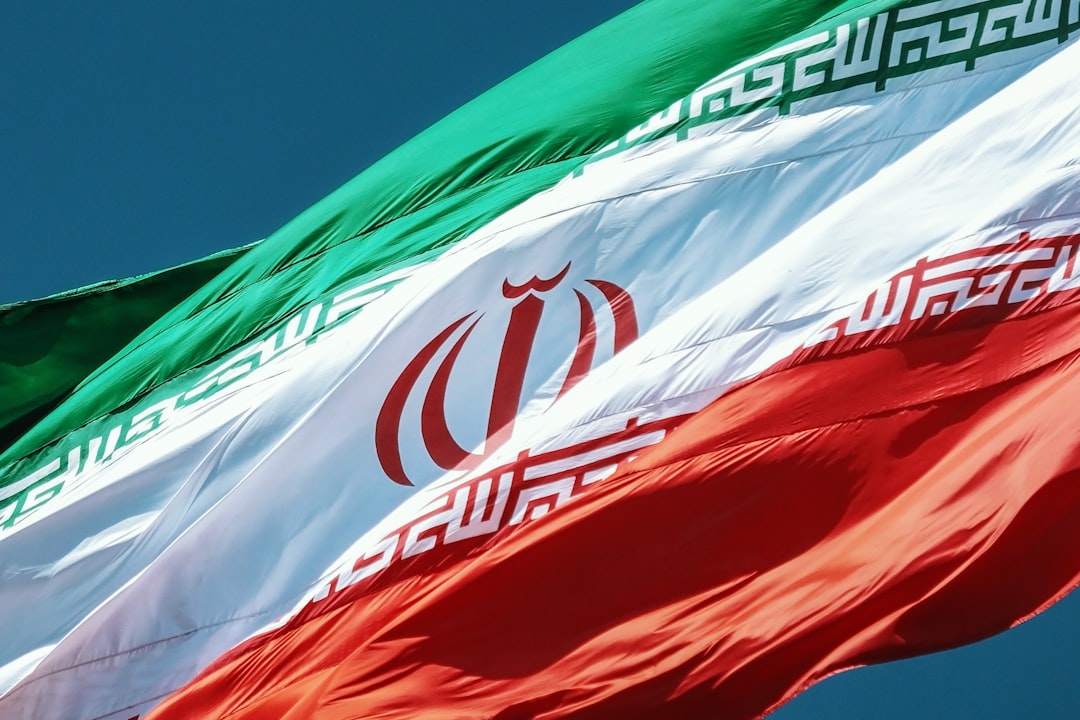
What should oil market traders do about the potential for price spikes due to Middle East tensions?
Traders need to remain flexible and ready to adapt their strategies to ongoing developments. Staying informed about geopolitical risks and their potential impact on pricing is essential for maintaining a competitive edge.
You may also like
 News
NewsJobs Slow but Inflation Keeps Fed on Alert
In September, the economy added just 150,000 jobs, a stark contrast to the 200,000 jobs analysts had predicted. This slowdown comes amid ongoing inflationary pressures,…
Read More →