No products in the cart.

The Robotics Tipping Point: Physical AI’s Impact
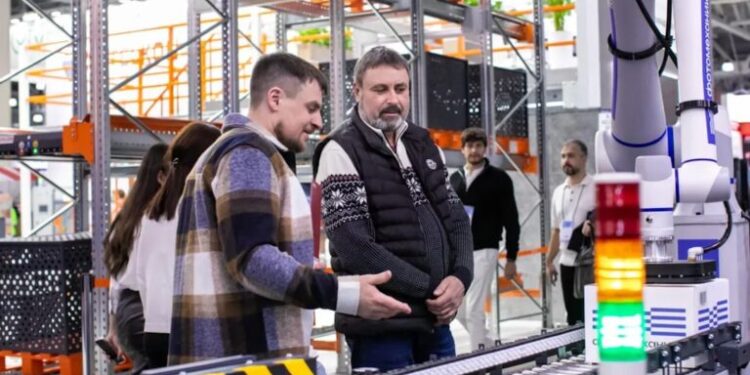
This article explores the pivotal role of Physical AI in transforming the robotics industry, its implications for various sectors, and the evolving landscape of work.

Transforming the Robotics Landscape
The robotics industry is experiencing a significant transformation, driven by advancements in Physical AI. This technology, which combines perception, learning, and control, is enabling robots to work safely alongside humans in diverse environments. This shift represents not just a technological evolution but a fundamental change in how industries approach automation and workforce integration.
Recent analyses indicate that the convergence of decreasing hardware costs and advancements in cloud-based AI services is accelerating this transformation. Companies across sectors such as logistics, warehousing, and healthcare are increasingly adopting robotics. This trend signifies a broader movement where robots are evolving from mere tools to essential collaborators in the workforce.
As industries adapt to these changes, the implications for labor markets and business models are profound. The integration of robots into operations is expected to reshape task execution and influence the skill sets required from human workers.
Key Drivers of Robotics Adoption
Three primary factors are propelling the rapid scale-up of robotics powered by Physical AI. First, the reduction in hardware costs has made robotics more accessible to a wider range of businesses. As technology prices decline, smaller firms can invest in automation, leveling the competitive landscape.
Second, the expansion of use cases beyond traditional manufacturing is crucial. Industries such as healthcare and construction are now leveraging robots for tasks that require precision and efficiency. For instance, while there is growing interest in using robots in surgeries, the extent of their application and impact on recovery times requires further verification.
Reports indicate that funding for robotics startups has reached unprecedented levels, signaling strong confidence in the sector’s future.
Lastly, there is a surge in corporate investment in robotics and AI technologies. Reports indicate that funding for robotics startups has reached unprecedented levels, signaling strong confidence in the sector’s future. This influx of capital is fueling innovation and accelerating the development of new applications.
You may also like
 Entrepreneurship & Business
AI Funding Surge Sparks Uneven Exit Values
AI funding surged to $505 billion in 2025, but the premium on startup exits stalled. We unpack why cash inflows don’t guarantee higher exit values…
Read More →Global Competition and Economic Impact
The global landscape for robotics is evolving, with countries competing for leadership in this burgeoning field. Nations like Germany and Japan have long been at the forefront of robotics, but emerging economies are quickly catching up. Countries such as China are investing heavily in robotics as part of their industrial strategy, aiming to enhance productivity and reduce labor costs.
This international competition has significant economic implications. As companies adopt robotics to improve efficiency, there is a risk of job displacement in traditional roles. However, this technology also creates new job categories that require advanced skills, leading to a paradox where automation may simultaneously eliminate and create jobs.
Industry forecasts suggest that the robotics market is expected to grow significantly, potentially reaching hundreds of billions in value by the end of the decade. This growth presents opportunities for businesses to innovate and for workers to adapt to new roles within an automated landscape.

Debates and Ethical Considerations
Despite the optimism surrounding robotics and Physical AI, there are significant contradictions and debates within the industry. One major concern is the potential for job loss due to automation. Critics argue that while robots can enhance productivity, they may also lead to widespread unemployment in sectors reliant on manual labor.
This debate underscores the need for robust workforce development programs to prepare workers for the changing job landscape.
Conversely, proponents of robotics emphasize the potential for job creation in new sectors. They argue that as routine tasks are automated, there may be opportunities for workers to transition into more complex roles that require human oversight and creativity. This debate underscores the need for robust workforce development programs to prepare workers for the changing job landscape.
You may also like
 Entrepreneurship & Business
Atoms Hires Ex-Uber CFO for Financial Leadership
Gupta's appointment is part of a broader strategy by Kalanick to assemble a team of former Uber executives at Atoms, aiming to leverage their collective…
Read More →Additionally, ethical considerations surrounding the deployment of robots in sensitive areas like healthcare are paramount. Questions arise about accountability and decision-making when robots are involved in patient care. Ensuring that ethical standards are maintained in the integration of robotics into society is crucial for public acceptance.
Envisioning a Collaborative Future
The future of robotics and Physical AI points towards a collaborative workforce where humans and robots work side by side. This vision is not solely about replacing human labor but enhancing it. As robots take over repetitive tasks, human workers can focus on more strategic and creative aspects of their jobs.
Industries are likely to see a shift in the types of skills that are in demand. Workers will need to develop competencies in managing and collaborating with robotic systems. Education and training programs are expected to play a vital role in equipping the workforce with the necessary skills to thrive in this new environment.

Moreover, the integration of robotics into everyday life is anticipated to evolve. As robots become more sophisticated, their applications will expand, further influencing the interaction between human and machine capabilities. This evolution will require ongoing dialogue among stakeholders to ensure that the benefits of robotics are widely shared.
Understanding how to work alongside these technologies will be crucial for career success.
Preparing for a Robotic Workforce
As the robotics landscape evolves, individuals entering the workforce must prepare for a future where robotics and AI are integral to various industries. Understanding how to work alongside these technologies will be crucial for career success. Skills in technology management, data analysis, and interpersonal communication are expected to become increasingly valuable.
You may also like
 Entrepreneurship & Business
Four Top Google A.I. Researchers Form New Start-Up
The formation of Discovery Loop comes at a time when the AI industry is witnessing rapid advancements and increasing competition.
Read More →Moreover, industries will seek professionals who can bridge the gap between human creativity and robotic efficiency. This demand will create opportunities for those willing to adapt and learn in a rapidly changing environment. Embracing lifelong learning will be essential for navigating the complexities of a future shaped by robotics and Physical AI.