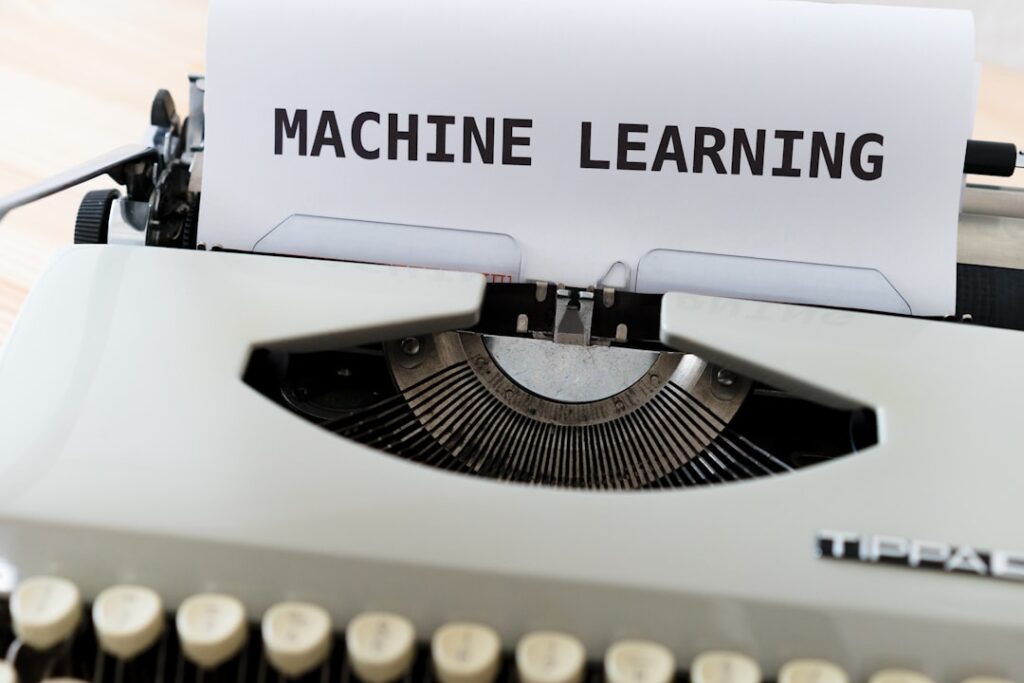
Transforming Public Relations in the Age of AI
The landscape of public relations (PR) is experiencing a profound transformation. Historically, PR centered on fostering relationships with media outlets to build trust and visibility for brands. However, with the increasing integration of artificial intelligence (AI) into media, this traditional model is rapidly evolving. Founders and business leaders must recognize that the effectiveness of PR is now influenced not only by human engagement but also by how well their messages resonate with AI systems.
As noted by Entrepreneur, AI plays a pivotal role in determining which content is seen and shared. With 80% of consumers relying on AI-generated results for searches, the dynamics of visibility are shifting. Brands face the challenge of ensuring their content is machine-readable and relevant to AI algorithms.
This shift has given rise to the concept of “Machine Relations,” a term coined by Jaxon Parrott. This concept underscores the necessity for brands to adapt their communication strategies to meet the demands of AI systems, ensuring their messages are not only visible but also actionable.
Prioritizing Machine Readability
Machine readability is becoming essential for successful PR campaigns. Traditional PR strategies often emphasized the prestige of media placements, but these placements must now be optimized for AI. As highlighted by Forbes, PR professionals need to rethink their content creation approaches, focusing on specific, extractable claims that AI engines can easily cite.
For example, a press release highlighting a company’s growth rate or unique product features is more likely to be referenced by AI than one that merely praises the company’s culture. This shift requires PR teams to critically assess whether their content can be easily understood and utilized by AI; otherwise, it risks being overlooked in favor of more relevant data.
Thus, while traditional PR metrics like share of voice remain important, the focus must now include how often a brand is cited in AI-generated content.
Research indicates that brand mentions correlate with AI visibility at three times the rate of backlinks. Thus, while traditional PR metrics like share of voice remain important, the focus must now include how often a brand is cited in AI-generated content. Brands that adapt to this new reality will gain a significant advantage.
 Entrepreneurship & Business
Europe Adds to Business Regulatory Burden, Speaker Says
The exchange covered deregulation, CBAM, an India-EU trade agreement and trade figures for India’s ties with the EU and the Netherlands.
Read More →Leveraging Data for Strategic Decisions
In light of these changes, data-driven decision-making is more crucial than ever. Brands must utilize analytics to gauge how their content performs in AI environments. This involves tracking traditional metrics while also monitoring how often their content is referenced by AI tools like ChatGPT and Google AI Overviews.
According to PR Week, many founders remain unaware of the significance of this shift. Without a clear understanding of how AI influences public perception, brands risk falling behind. The demand for data insights is urgent; businesses that analyze and adapt their strategies based on AI-driven insights are likely to see improved visibility and engagement.
Furthermore, measuring the effectiveness of PR campaigns through AI metrics can lead to more informed strategic decisions. Brands that embrace this data-centric approach will be better equipped to navigate the complexities of modern media landscapes.
Balancing Technology and Human Touch
Despite the advantages of adopting a machine relations approach, contradictions and debates persist within the industry. Some PR professionals argue that the personal touch of traditional PR is irreplaceable. They contend that while machines can optimize visibility, they cannot replicate the nuanced understanding of human relationships that has historically defined PR.
Will PR professionals need to become more tech-savvy, or will traditional relationship-building skills remain essential?
This tension raises important questions about the future of PR roles. Will PR professionals need to become more tech-savvy, or will traditional relationship-building skills remain essential? As brands navigate these questions, it is crucial to recognize that the most successful strategies will likely integrate both human and machine elements.
 Entrepreneurship & Business
Use a Business Loan to Fix Cash Flow: Five Decisions
Cash flow is the top challenge for half of small firms. Here is how to choose a loan that fits.
Read More →Moreover, the ethical implications of machine relations cannot be overlooked. As AI continues to evolve, concerns about transparency and bias in AI algorithms are becoming increasingly prominent. Brands must carefully navigate these challenges to ensure their machine relations strategies align with ethical standards while achieving visibility.
Preparing for the Future of PR
The future of PR lies in embracing the changes brought about by AI. Brands that adapt their strategies to focus on machine relations are likely to thrive in the coming years. This adaptation includes investing in training for PR teams to understand AI technologies and how to create content that resonates with both humans and machines.
As AI continues to evolve, the tools and strategies for machine relations will also advance. Companies that stay ahead of these trends will gain a competitive edge. This proactive approach will not only enhance brand visibility but also foster deeper connections with audiences.

Additionally, brands should consider collaborating with AI experts and data analysts to refine their strategies further. By integrating AI insights into their PR efforts, companies can ensure they remain relevant in an increasingly digital world.
Career Opportunities in Machine Relations For young professionals entering the PR field, understanding machine relations is essential.
Career Opportunities in Machine Relations
For young professionals entering the PR field, understanding machine relations is essential. As AI reshapes the industry, those who can bridge the gap between traditional PR skills and new technology will be highly sought after. This requires developing a strong foundation in data analytics and AI tools, alongside honing interpersonal communication skills.
 Entrepreneurship & Business
How to Test a Business Idea Before Building It
On day two, show your offer to 10 or 20 potential customers and ask for a response.
Read More →As the demand for machine-readable content grows, professionals who can craft compelling narratives that meet both human and machine needs will stand out in the job market. This dual skill set will not only enhance career prospects but also contribute to the ongoing evolution of the PR industry.
Written by Career Ahead AI. AI can make mistakes, so verify key facts. Report errors to support@careeraheadonline.com.