No products in the cart.

Business Leaders Must Champion Democracy
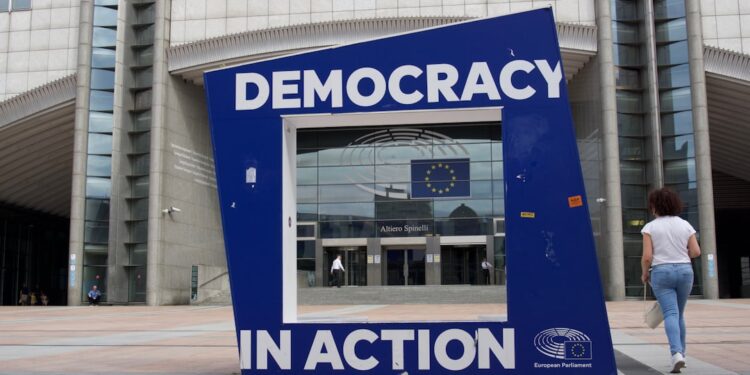
This article examines why business leaders must advocate for democracy, exploring its implications for the economy and society.

Democracy’s Deteriorating Landscape
Across the globe, democracy is facing significant challenges. Authoritarian regimes are on the rise, with 92 countries classified as autocracies, affecting 74% of the world’s population, according to the V-Dem Institute. This decline in democratic governance has profound implications for businesses and economies alike. As political rights and civil liberties erode, the stability that businesses rely on is increasingly jeopardized.
Business leaders must recognize that a well-functioning democracy is not merely a civic ideal; it is a strategic imperative. A robust democracy provides the legal frameworks and regulatory processes essential for business operations. Without these structures, companies face unpredictability that can stifle innovation and growth.
According to a survey by Morning Consult, a significant majority of executives believe that a healthy democracy is vital for a strong economy. This sentiment is echoed by consumers, with many expressing that businesses should actively support fair electoral processes. These statistics highlight a growing awareness among both business leaders and the public about the intertwined nature of democracy and business success.
The Business Case for Democracy
Supporting democracy is not just a moral obligation; it is a business necessity. Democracies typically offer clear rules and protections that businesses need to thrive. These include stable property rights, reliable contract enforcement, and anti-corruption measures, all of which are crucial for long-term investments.
Moreover, democracies foster an environment of innovation and competition. When businesses operate in a transparent system, they can better predict market dynamics and consumer behavior. This predictability enhances investor confidence and encourages economic growth, creating a virtuous cycle that benefits society as a whole.
As noted by sloanreview.mit.edu, business leaders can take several concrete actions to support democracy. These include defending democratic institutions, supporting independent civil society organizations, and fostering democratic practices within their own companies. By doing so, they not only contribute to a healthier political environment but also enhance their own business prospects.
When businesses operate in a transparent system, they can better predict market dynamics and consumer behavior.
However, while the benefits of democracy for business are clear, the path to supporting democratic ideals is fraught with challenges. Many leaders fear backlash or view political engagement as a partisan issue. This hesitation can prevent them from taking meaningful action.
You may also like
 Entrepreneurship & Business
Marico Boosts Plix Stake to 84.09%; Q2 Revenue Surge Ahead
Marico has increased its stake in Satiya Nutraceuticals to 84.09%, a strategic move expected to enhance revenue growth amid rising consumer demand for health-focused products.…
Read More →Global Implications of Democratic Erosion
The decline of democracy has global ramifications that extend beyond national borders. As authoritarian regimes gain ground, they often engage in practices that undermine international norms, such as human rights violations and economic exploitation. This creates an unstable global market where businesses must navigate increased risks.
Moreover, the erosion of democracy can lead to social unrest, which poses direct threats to businesses. Protests, strikes, and civil disobedience can disrupt operations and supply chains, impacting profitability. Companies that ignore the political landscape do so at their own peril.
According to dialogueproject.fuqua.duke.edu, businesses that advocate for democratic principles can help mitigate these risks. By standing up for democratic values, companies can foster stability and predictability in the markets where they operate. This proactive stance not only protects their interests but also contributes to a healthier global economy.
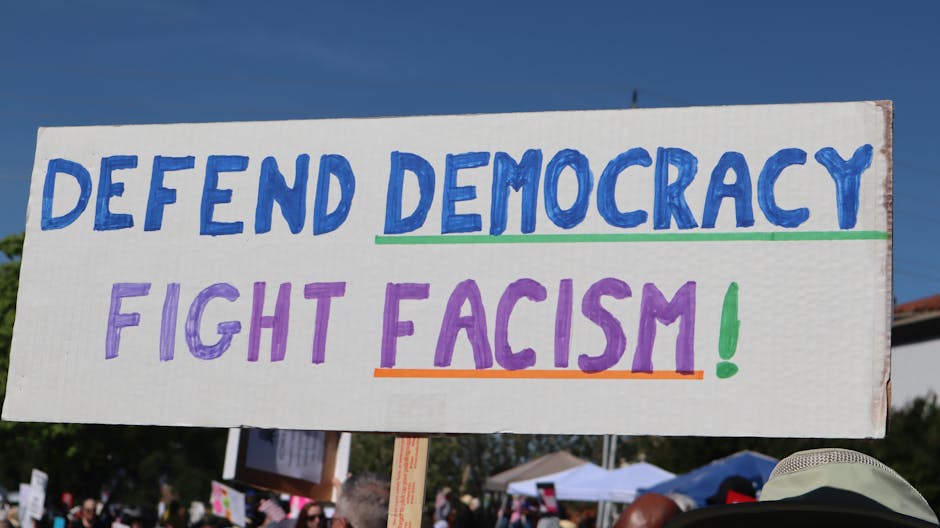
Ultimately, the interconnectedness of global economies means that the health of one nation’s democracy can influence others. A strong democracy can serve as a model for others, promoting democratic ideals worldwide and fostering international cooperation.
Some argue that businesses should remain apolitical, focusing solely on profit maximization.
Counterpoints and Debates
Despite the clear advantages of supporting democracy, there are significant debates within the business community. Some argue that businesses should remain apolitical, focusing solely on profit maximization. They contend that engaging in political issues can alienate customers and create divisions within the workforce.
However, this perspective overlooks the reality that economic success is often contingent on a stable and just political environment. As noted by newsclip.com, businesses that ignore the political landscape risk losing their social license to operate. Consumers increasingly expect companies to take stands on social issues, including democracy.
You may also like
 Entrepreneurship & Business
College Students Shape the Future of A.I. Investment
College students are increasingly influencing the A.I. investment landscape, with initiatives like Dorm Room Fund raising substantial capital. This shift highlights the growing importance of…
Read More →This divergence in opinion highlights a critical challenge for business leaders: how to balance corporate interests with social responsibility. Engaging in democratic advocacy does not have to be a zero-sum game; rather, it can be a pathway to sustainable business practices that align with the values of consumers and employees alike.
Looking Ahead: The Future of Business and Democracy
The future of business and democracy is uncertain, yet the need for action is clear. As authoritarianism continues to rise, business leaders must step up to protect democratic institutions. This responsibility is not just about corporate citizenship; it is about ensuring a stable environment for future business operations.
Looking ahead, businesses that prioritize democratic engagement will likely enjoy a competitive advantage. They can build stronger relationships with consumers and foster loyalty among employees who value corporate responsibility. Furthermore, companies that advocate for democracy may find themselves better positioned to navigate regulatory changes and market disruptions.

As the global landscape evolves, the role of business leaders in championing democracy will become increasingly important. By actively participating in the democratic process, they can contribute to a more equitable and just society, which ultimately benefits everyone.
Career Relevance in a Democratic Context For young professionals and job seekers, understanding the relationship between business and democracy is crucial.
Career Relevance in a Democratic Context
For young professionals and job seekers, understanding the relationship between business and democracy is crucial. As companies increasingly seek candidates who align with their values, those with a strong grasp of social responsibility will stand out. Engaging with democratic principles can enhance one’s employability and career prospects.
Moreover, as businesses prioritize ethical practices, skills in advocacy and civic engagement will become valuable assets. Professionals who can navigate the complexities of corporate responsibility and political engagement will be well-equipped to contribute to their organizations and society.
You may also like
 Entrepreneurship & Business
Earnings Must Validate AI Investments
Tiffany McGhee emphasizes the need for companies to demonstrate the effectiveness of their AI investments in earnings reports, as global AI spending is projected to…
Read More →In conclusion, the intersection of business and democracy presents both challenges and opportunities. By championing democratic values, business leaders can not only protect their interests but also pave the way for a more sustainable future.