


Amsterdam, Netherlands — The growing strain on the Netherlands’ power grid is becoming a significant barrier to economic growth. As the demand for electricity skyrockets, businesses are facing delays and uncertainties that threaten their operations and future investments. Notably, ASML Holding NV, a key player in the semiconductor industry, is caught in this dilemma as it seeks to expand its operations in Eindhoven. Without a reliable electricity connection, the company’s ambitious plans to build a new campus that could employ up to 20,000 people are at risk.
The urgency of this situation is underscored by the fact that ASML is just one of 12,000 businesses in the Netherlands waiting for electric grid connections. According to Netbeheer Nederland, the association of Dutch grid operators, congestion issues could persist for a decade, despite substantial investments of €8 billion ($9.3 billion) per year in grid infrastructure. This scenario highlights a critical challenge: the physical grid cannot keep pace with the rapidly increasing electricity consumption, which has already reached levels projected for 2030.
Electricity is a fundamental driver of economic growth. The relationship between reliable power supply and economic performance is well-documented. For decades, developed nations have not had to grapple with significant electricity supply issues due to deindustrialization trends that kept demand in check. However, the rise of artificial intelligence, electric vehicles, and the broader electrification of industries is pushing electricity demand to new heights. As a result, even affluent countries are now facing unprecedented challenges in maintaining stable power supplies.
The Economic Implications of Power Grid Strain in the Netherlands
As the power grid struggles to meet demands, the implications for the Dutch economy are profound. A recent analysis from Bloomberg Economics indicates that nearly all G20 nations are experiencing increased grid stress, which correlates with a decline in capital investment. This decline in investment is detrimental to long-term economic growth, as it limits the ability of governments and businesses to acquire or maintain essential assets.
This decline in investment is detrimental to long-term economic growth, as it limits the ability of governments and businesses to acquire or maintain essential assets.
For entry-level workers, the immediate impact may not be apparent. However, as companies like ASML delay hiring and expansion due to power constraints, job opportunities will dwindle. Mid-career professionals may find their roles jeopardized if their employers cannot secure reliable energy sources for operations. Career switchers aiming to enter the tech and energy sectors might face heightened competition as fewer positions become available.
Moreover, the economic ripple effects extend beyond immediate job losses. As companies reduce their capital outlay, the overall economic growth potential diminishes. Maeva Cousin, chief trade and climate economist at Bloomberg Economics, emphasizes that countries failing to meet rising electricity demands risk missing out on critical investments that could shape their economic futures.
Strategies for Navigating the Power Grid Crisis
For professionals and businesses, adapting to the current power grid crisis is essential. Here are actionable steps to consider:
- Assess energy needs: Evaluate your current and future energy requirements. Businesses should analyze their energy consumption patterns and prepare for potential shortages.
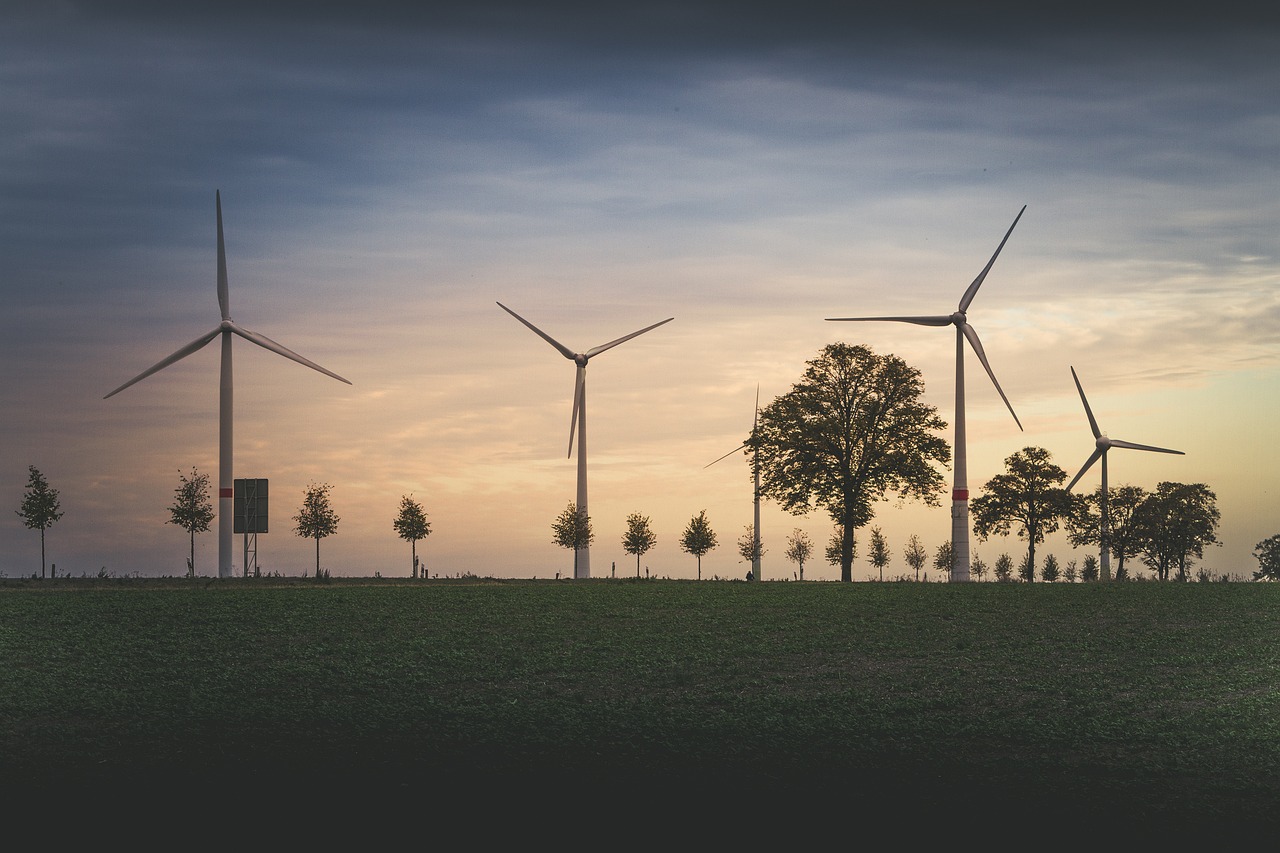
- Invest in renewable energy: Explore options for solar or wind energy to supplement power needs. This can reduce reliance on the grid and provide a buffer against outages.
- Engage with policymakers: Advocate for infrastructure improvements and policy changes that support energy investment. Collaboration with local authorities can help prioritize grid enhancements.
- Stay informed: Keep abreast of developments in the energy sector. Understanding trends and forecasts can help businesses make informed decisions about their operations and workforce planning.
However, experts warn that this trend may not be sustainable. A recent study suggests that while immediate investments in renewable energy are crucial, they must be balanced with proven energy management practices to ensure reliability. Without a comprehensive approach, businesses may find themselves in a precarious position.
A recent study suggests that while immediate investments in renewable energy are crucial, they must be balanced with proven energy management practices to ensure reliability.
Anticipating the Future of Energy in the Netherlands
The future of the Dutch economy hinges on how effectively it can address the challenges posed by its power grid. As electricity demands continue to rise, the need for innovative solutions becomes more urgent. The transition to renewable energy sources and enhancements in grid management will be pivotal in shaping economic stability.
As the landscape evolves, one question remains: will the Netherlands adapt quickly enough to seize the opportunities presented by the green energy transition, or will it fall behind due to grid constraints?
Written by Career Ahead AI. AI can make mistakes, so verify key facts. Report errors to support@careeraheadonline.com.





