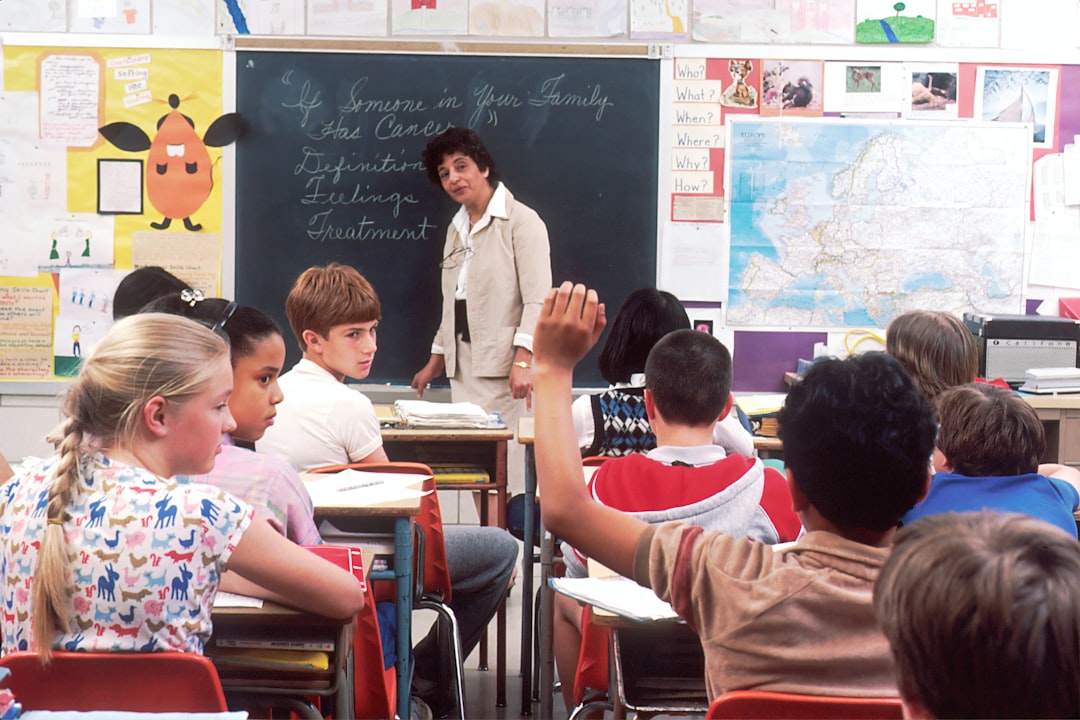
Ian Weissman, a social studies teacher, won an award for his innovative use of artificial intelligence (AI) in history projects, highlighting both the potential benefits and challenges of AI in education.
Manhattan, US — Ian Weissman, a social studies teacher, recently won an award for his innovative use of artificial intelligence (AI) in history projects. His approach highlights the benefits and challenges of using AI tools in education. As educators explore these technologies, Weissman’s recognition comes at a key time for discussions about AI’s role in the classroom.
Weissman’s award from a respected educational organization shows how AI can boost student engagement and learning. However, he is cautious about the implications of using AI in teaching. He describes the current landscape as “the wild West,” indicating that many educators are still figuring out how to handle the regulatory and ethical issues surrounding AI tools. Experts in the field echo this sentiment, warning that while AI can transform education, it also poses significant risks that must be managed carefully.
Benefits of AI in History Education
Integrating AI into social studies curricula offers both opportunities and risks. On one hand, AI can provide personalized learning experiences. Educators can tailor lessons to meet individual student needs. For instance, AI tools can analyze student performance data, suggesting resources or adjustments to lesson plans. This makes history more accessible and engaging. Weissman’s use of AI in his projects has helped students interact with historical data in ways traditional methods could not, fostering a deeper understanding of complex events.
Using AI in history projects can also promote critical thinking skills. By leveraging AI tools, students can analyze historical events more deeply. They can use data and simulations that traditional teaching may not offer. This interactive approach helps students grasp complex historical narratives and develop a nuanced perspective on past events. Weissman’s students report feeling more invested in their learning. AI allows them to explore history through simulations and interactive timelines, making the subject matter more relatable and exciting.
Challenges and Ethical Concerns
However, using AI in education raises significant questions about reliability and bias. Weissman worries that AI systems may unintentionally reinforce existing biases in historical narratives, which could skew students’ understanding of history. This highlights the need for teacher oversight and critical engagement with AI-generated content. Educators must remain the primary guides in the learning process. A recent article by the New York Times notes that the challenge is ensuring AI tools complement, not replace, traditional teaching methods. Teachers must critically assess the information provided by AI to prevent misinformation.
Educators should embrace these tools while cultivating a critical mindset among students, teaching them to question the sources of information provided by AI and to understand the algorithms behind these technologies.
As AI continues to evolve, educators must evaluate the tools they use. Weissman’s experience shows the need for teachers to stay informed about the capabilities and limitations of AI technologies. Educators should embrace these tools while cultivating a critical mindset among students, teaching them to question the sources of information provided by AI and to understand the algorithms behind these technologies.
Navigating the Regulatory Landscape
The regulatory landscape for AI in education is still developing. As schools adopt AI tools, they must navigate a complex web of ethical and legal considerations. Weissman’s concerns reflect a broader anxiety among educators about privacy, data security, and the ethical implications of using AI in classrooms. The Family Educational Rights and Privacy Act (FERPA) in the US imposes strict regulations on how student data can be used, which may limit the use of certain AI tools. Such regulatory uncertainty can hinder effective AI implementation in schools.
Many educational institutions lack clear guidelines for responsible AI implementation, creating challenges for teachers who want to use AI effectively while ensuring compliance with privacy laws and educational standards. Furthermore, educators must consider the potential for AI to worsen existing inequalities in education. Access to advanced technology can vary widely among schools and districts, leading to disparities in educational quality. Weissman’s experience illustrates the need for equitable access to AI resources, ensuring all students can benefit from these innovative tools.
Collaborative Efforts for Best Practices
As discussions about AI and education continue, stakeholders must work together to establish best practices and regulatory frameworks. This includes input from educators, policymakers, and technology developers. A balanced approach should prioritize student learning while addressing ethical concerns. The New York Times emphasizes the importance of ongoing dialogue among these groups to ensure AI enhances educational outcomes without compromising student safety or equity.
The conversation surrounding AI in education is likely to evolve rapidly. Weissman’s recognition as an innovative educator using AI highlights the need for ongoing dialogue about technology’s role in classrooms. Educators must remain proactive in shaping the future of AI in education, ensuring it enhances learning rather than hinders it. As AI continues to shape the educational landscape, thoughtful integration becomes increasingly important. The experiences of teachers like Weissman can inform best practices and guide future developments in using AI in social studies and beyond.
The Haryana Teacher Eligibility Test (HTET) 2026 results have been declared, marking a significant milestone for aspiring teachers. Candidates can now access their results and…
In the coming years, the dialogue around AI in education will likely intensify. As more educators experiment with these tools, monitoring their impact on student learning and engagement will be crucial to ensure that technology is used effectively and ethically.
Educators must remain proactive in shaping the future of AI in education, ensuring it enhances learning rather than hinders it.
Frequently Asked Questions
What AI tools can enhance social studies teaching?
Several AI tools can enhance social studies teaching, including data analysis software and interactive simulations that help students engage with historical content dynamically.
How should educators approach AI regulation in classrooms?
Educators should stay informed about the evolving regulatory landscape surrounding AI in education, including understanding privacy laws and ethical considerations to ensure responsible use of AI tools in classrooms.
What are the best practices for using AI in history projects?
Best practices include providing professional development for educators, encouraging critical thinking about AI-generated content, and advocating for policies that support responsible AI use in education. Collaboration among teachers can also enhance the effectiveness of AI integration.



Education & University Insights
 Education & University Insights